845, Ground Floor, Udyog Vihar Phase V, Sector 19, Gurugram, Haryana 122016
GET DIRECTION
How to Identify Genuine Turquoise: A Complete Buyer's Guide
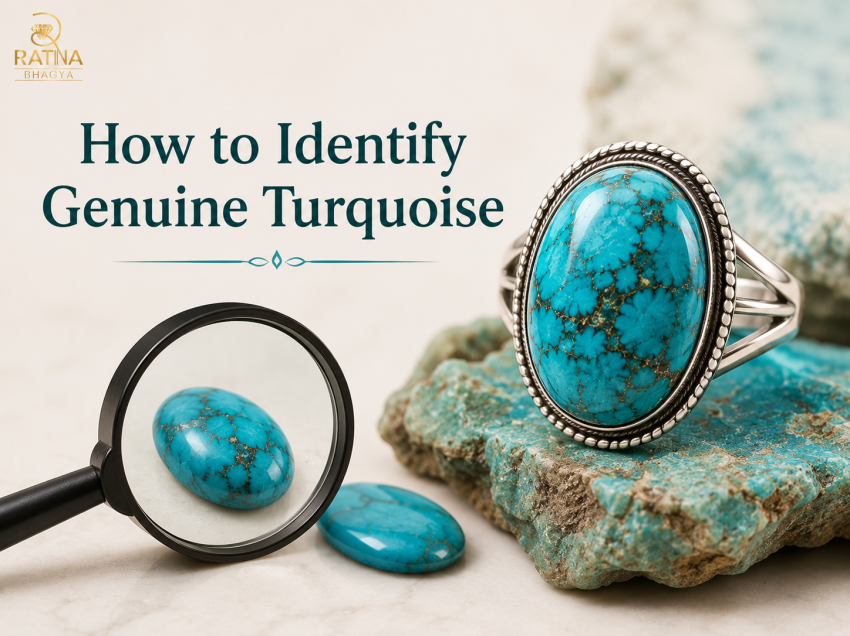
890++Turquoise is one of the oldest and most admired gemstones in the world, treasured for its beautiful blue and green shades. From ancient Egyptian jewelry to Native American craftsmanship and modern fashion accessories, turquoise has remained a timeless favorite. However, because of its popularity and limited natural supply, the market is flooded with imitation, dyed, and treated stones.
If you're planning to buy turquoise for jewelry, collection, or astrological purposes, it's important to know how to distinguish a genuine turquoise stone from a fake one. This guide explains the key characteristics of natural turquoise, common imitations, and practical tips for making a confident purchase.
What Is Turquoise?
Turquoise is an opaque gemstone composed of hydrated copper and aluminum phosphate. Its distinctive color is primarily influenced by:
- Copper – Produces blue shades.
- Iron – Creates greenish tones.
Natural turquoise is found in countries such as:
- Iran
- United States
- China
- Mexico
- Egypt
Among these, Persian (Iranian) Turquoise is especially renowned for its vibrant sky-blue color and high quality.
Why Fake Turquoise Is So Common
Natural high-quality turquoise is relatively rare. To meet market demand, manufacturers often produce imitation stones using materials such as:
- Dyed howlite
- Dyed magnesite
- Plastic
- Resin
- Glass
- Composite turquoise
Some treated stones look very convincing, making it difficult for buyers to identify genuine turquoise without proper knowledge.
Characteristics of Genuine Turquoise
1. Examine the Color
Natural turquoise typically displays:
- Sky blue
- Robin's egg blue
- Blue-green
- Greenish-blue
The color should appear natural rather than overly bright or artificial.
Be cautious if the stone has:
- Neon blue color
- Extremely uniform coloring
- Paint-like appearance
Many imitation stones are dyed to achieve unnaturally vivid shades.
2. Look for Natural Matrix Patterns
One of turquoise's most distinctive features is its matrix—the network of veins or patterns created by the host rock.
Natural matrix may appear as:
- Brown webbing
- Black veins
- Golden patterns
- Spiderweb designs
Each natural turquoise stone has a unique matrix pattern.
Fake turquoise often has:
- Repeated printed patterns
- Perfectly symmetrical webbing
- Artificial-looking lines
Keep in mind that some genuine turquoise is naturally free of matrix.
3. Check the Surface Texture
Natural turquoise usually has:
- A smooth polish
- Slight natural irregularities
- A waxy to slightly matte luster
Plastic imitations may feel:
- Too glossy
- Lightweight
- Artificially smooth
4. Inspect Under Magnification
Using a jeweler's loupe, look for:
Genuine Turquoise
- Natural grain
- Minor inclusions
- Organic matrix structure
Fake Turquoise
- Air bubbles (common in glass)
- Dye concentrations
- Printed or painted patterns
Air bubbles are a strong indicator that the stone is glass rather than natural turquoise.
5. Evaluate the Weight
Turquoise is relatively dense.
Plastic or resin imitations often feel noticeably lighter than natural turquoise of the same size.
Although weight alone cannot confirm authenticity, it can provide a useful clue.
6. Observe the Temperature
Natural gemstones generally feel cool to the touch when first handled.
Plastic imitations usually warm up quickly and may feel less substantial.
This simple observation can sometimes help distinguish natural stone from plastic.
Common Turquoise Treatments
Not all treatments mean a stone is fake. Many genuine turquoise stones undergo enhancements to improve durability.
Stabilized Turquoise
A resin is infused into porous turquoise to strengthen it.
This is a common and widely accepted treatment, provided it is disclosed by the seller.
Dyed Turquoise
Some lower-quality turquoise is dyed to improve its color.
Dyed stones are genuine turquoise but have been artificially enhanced.
Reconstituted Turquoise
Small turquoise fragments are mixed with resin and compressed into larger pieces.
Although it contains turquoise material, it is not considered natural solid turquoise.
Common Fake Turquoise Materials
Dyed Howlite
One of the most common substitutes.
Characteristics:
- Bright blue dye
- Gray or black veining
- Lower value than natural turquoise
Dyed Magnesite
Another frequently used imitation.
It resembles turquoise after dyeing but has different mineral properties.
Plastic
Plastic replicas are generally:
- Very lightweight
- Warm to the touch
- Overly glossy
Glass
Glass imitations often contain:
- Air bubbles
- Extremely smooth surfaces
- Bright artificial color
Professional Identification
The most reliable way to identify genuine turquoise is through professional gemological testing.
Laboratories use specialized equipment to determine:
- Natural or imitation origin
- Treatments
- Mineral composition
- Quality characteristics
A gemstone certificate provides valuable information and peace of mind.
Tips for Buying Genuine Turquoise
Buy from Reputable Dealers
Choose trusted gemstone sellers with transparent policies and positive customer reviews.
Ask About Treatments
Request full disclosure regarding:
- Stabilization
- Dyeing
- Resin filling
Request Certification
For valuable purchases, always ask for a certificate from a recognized gemological laboratory.
Compare Prices
Natural, untreated turquoise is relatively rare.
If the price seems unusually low, investigate carefully before purchasing.
Caring for Genuine Turquoise
Turquoise is softer and more porous than many gemstones.
To keep it looking its best:
- Avoid harsh chemicals.
- Remove jewelry before swimming.
- Keep away from perfumes and lotions.
- Clean gently with a soft, damp cloth.
- Store separately from harder gemstones to prevent scratches.
Frequently Asked Questions (FAQs)
How can I tell if turquoise is real?
Examine its color, matrix, texture, and internal features. For complete confidence, obtain certification from a recognized gemological laboratory.
Does all genuine turquoise have a matrix?
No. Some natural turquoise is matrix-free, while others display distinctive veining.
Is stabilized turquoise real?
Yes. Stabilized turquoise is genuine turquoise that has been treated to improve durability. Reputable sellers should disclose this treatment.
What is the most common fake turquoise?
Dyed howlite is one of the most common turquoise imitations available in the market.
Should I buy certified turquoise?
Yes. Certification helps verify authenticity, treatments, and quality, especially for high-value stones.
Conclusion
Turquoise is a beautiful gemstone with a rich history and timeless appeal, but its popularity has also led to a wide range of imitations and treated stones. By understanding its natural color, matrix patterns, surface texture, and common treatments, you can make a more informed buying decision.
For the greatest confidence, always purchase from a reputable dealer and request certification from a recognized gemological laboratory. Whether you're buying turquoise for jewelry, collecting, or personal significance, knowing how to identify a genuine stone will help ensure you receive authentic quality and lasting value.
Share this post:
You Might Also Be Interested In
Discover more insightful articles related to this topic to deepen your gemstone knowledge.
12 May
CAT'S EYE GEMSTONE AND ITS TYPES
The cat's eye gemstone is a beautiful gemstone. Apart from its unique look, which is...

11 April
Katrina Kaif's Diamond Blue Sapphire Engagement Ring
Celebrities and their marriages have always attracted a large number of viewers. After all, it's...
13 April
Different Colour Varieties of Sapphire Jewellery
Sapphires are regarded as one of the most valuable gemstones on the planet. Since their...
17 July
Opal Stone Price Guide 2026: Factors That Affect the Value of Opal
Opal is one of the most fascinating gemstones in the world, admired for its mesmerizing...
17 June
What stone is good luck for money?
The impact of stone on human life is well recorded in ancient Vedic (Hindu) and...
21 March
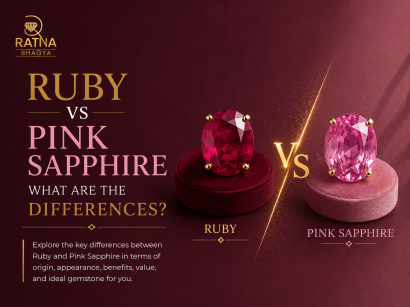
Ruby vs Pink Sapphire: What are the differences?
The mineral Corundum, which is a crystalline variant of aluminium oxide, is found in both...