845, Ground Floor, Udyog Vihar Phase V, Sector 19, Gurugram, Haryana 122016
GET DIRECTION
Understanding Emerald Colors: A Complete Buyer's Guide
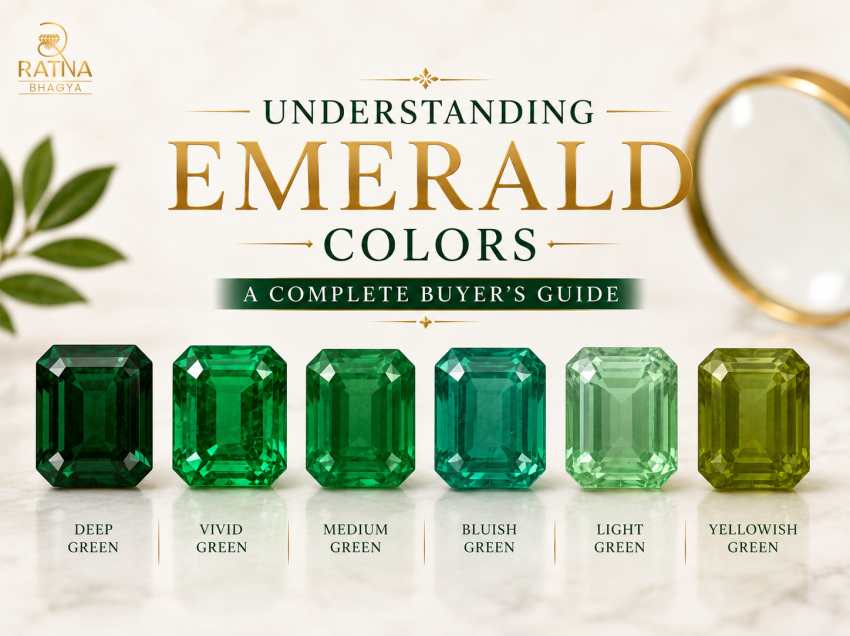
Emeralds have captivated gemstone lovers for centuries with their rich green beauty and timeless elegance. As one of the most valuable members of the beryl family, an emerald's value and appeal are heavily influenced by its color. Whether you're purchasing your first emerald or adding to a gemstone collection, understanding emerald colors is essential for making an informed buying decision.
This comprehensive buyer's guide explains the different emerald colors, grading factors, value considerations, and tips for choosing the perfect emerald.
Why Emerald Color Matters
Among the famous "Four Precious Gemstones"—diamond, ruby, sapphire, and emerald—color is the single most important factor determining an emerald's value. Even an emerald with excellent clarity and cut may be less valuable if its color lacks richness or saturation.
Gemologists evaluate emerald color based on three key characteristics:
- Hue – The basic color of the gemstone.
- Tone – The lightness or darkness of the color.
- Saturation – The intensity or purity of the color.
The ideal emerald combines a pure green hue with medium-to-medium-dark tone and strong saturation.
The Three Components of Emerald Color
1. Hue
Hue refers to the dominant color visible in the emerald.
High-quality emeralds display:
- Pure green
- Slightly bluish-green
Stones with noticeable yellowish or grayish undertones are generally considered less valuable.
The most sought-after emeralds possess a vivid green color with minimal secondary hues.
2. Tone
Tone measures how light or dark the emerald appears.
Emerald tone categories include:
- Very Light
- Light
- Medium
- Medium-Dark
- Dark
- Very Dark
The most desirable emeralds typically fall within the medium to medium-dark tone range, offering a rich green appearance without looking overly dark.
3. Saturation
Saturation indicates the strength and vividness of the color.
Higher saturation results in:
- More vibrant color
- Greater visual impact
- Higher market value
Emeralds with dull or grayish appearances usually have lower saturation and are less desirable.
Common Emerald Color Variations
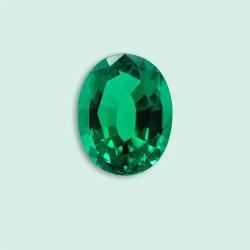
Vivid Green Emerald
Vivid green emeralds are considered the highest quality and command premium prices.
Characteristics:
- Strong saturation
- Bright and lively appearance
- Excellent transparency
- Minimal secondary colors
These emeralds are often found in top-quality gemstone collections.
Bluish-Green Emerald
A slight blue modifier is highly desirable in many emeralds.
Benefits include:
- Enhanced depth of color
- Rich visual appeal
- Strong collector demand
Many premium emeralds exhibit a subtle bluish-green tone.
Yellowish-Green Emerald
Emeralds with noticeable yellow undertones are generally less valuable.
Characteristics:
- Warmer appearance
- Lower market demand
- More affordable pricing
These stones can still be attractive for jewelry purposes.
Light Green Emerald
Light green emeralds have a softer appearance.
Advantages:
- Lower cost
- Suitable for budget-conscious buyers
- Delicate aesthetic appeal
However, they typically lack the richness associated with premium emeralds.
Dark Green Emerald
While rich green color is desirable, extremely dark emeralds may lose brilliance.
Potential concerns:
- Reduced transparency
- Less light reflection
- Diminished visual appeal
Balance between tone and brightness is crucial.
Emerald Colors by Origin
Different mining regions often produce emeralds with distinctive color characteristics.
Colombian Emeralds
Often regarded as the benchmark for emerald quality.
Characteristics:
- Rich vivid green
- Strong saturation
- Exceptional transparency
Many of the world's most valuable emeralds originate from Colombia.
Zambian Emeralds
Known for their deep, intense color.
Characteristics:
- Slight bluish-green hue
- Excellent clarity
- Strong durability
Zambian emeralds have gained significant popularity in recent years.
Brazilian Emeralds
Offer a wide range of color variations.
Characteristics:
- Light to medium green
- Good availability
- Competitive pricing
Brazilian emeralds provide excellent options for first-time buyers.
How Color Affects Emerald Value
Color significantly impacts pricing.
Generally, emerald value increases when the stone exhibits:
✓ Rich green hue
✓ Medium to medium-dark tone
✓ Strong saturation
✓ Good transparency
✓ Even color distribution
Emeralds with pale color, excessive darkness, or visible gray undertones are typically less valuable.
Natural vs Treated Emerald Colors
Most emeralds undergo some form of treatment to enhance appearance.
Common treatments include:
- Oil filling
- Resin enhancement
These treatments can improve clarity and color presentation.
When purchasing an emerald:
- Ask for disclosure of treatments.
- Request a gemological certificate.
- Buy from reputable gemstone dealers.
Transparency regarding treatments is essential for determining value.
Tips for Choosing the Best Emerald Color
Look for Rich Green Color
Choose stones with vibrant green color rather than pale or washed-out appearances.
Check Color Distribution
The color should appear evenly distributed throughout the gemstone.
View Under Different Lighting
Examine the emerald under:
- Natural daylight
- Indoor lighting
- Jewelry store lighting
This helps reveal its true color characteristics.
Prioritize Color Over Clarity
Unlike diamonds, emerald buyers often place greater importance on color than flawless clarity.
Request Certification
Certified gemstones provide confidence regarding authenticity, treatments, and quality.
Emerald Color Grading Terms You May Encounter
When shopping for emeralds, you may hear terms such as:
- Vivid Green
- Deep Green
- Bluish Green
- Rich Green
- Intense Green
- Medium Green
- Forest Green
These descriptions help communicate color characteristics but should be evaluated alongside professional certification.
Frequently Asked Questions (FAQs)
What is the best emerald color?
The most desirable emerald color is vivid green with strong saturation and a medium-to-medium-dark tone.
Are bluish-green emeralds valuable?
Yes. Slightly bluish-green emeralds are often highly valued and sought after by collectors.
Do darker emeralds have higher value?
Not always. Extremely dark emeralds may appear less vibrant and therefore may be less desirable than stones with balanced tone.
Which country produces the best emeralds?
Many experts consider Colombian emeralds among the finest due to their exceptional color and saturation.
Does emerald color fade over time?
Natural emerald color typically remains stable. However, proper care helps maintain the gemstone's appearance and brilliance.
Conclusion
Understanding emerald colors is one of the most important steps in selecting a high-quality gemstone. The ideal emerald combines a rich green hue, strong saturation, balanced tone, and attractive transparency. Whether you're investing in a premium Colombian emerald or searching for an affordable yet beautiful stone, evaluating color carefully will help you make a confident purchase.
By learning how hue, tone, and saturation affect value, buyers can better appreciate the beauty of emeralds and choose a gemstone that perfectly matches their preferences and budget.
Share this post:
You Might Also Be Interested In
Discover more insightful articles related to this topic to deepen your gemstone knowledge.

2 April
Chaitra Navratri 2022: Attract blessing with these 9 gemstone and 9 avatars of Maa Durga
Navratri is said to offer freedom from all kinds of problems, deep relaxation, and creativity...

15 June
Understanding Gemstone Share Price Movements: A Complete Guide
Investing in stocks requires more than simply tracking a company's current market price. To make...

30 June
How to Care for Your Gemstone Jewelry: A Complete Maintenance Guide
Gemstone jewelry is more than just a fashion accessory—it's often a valuable investment, a cherished...
11 April
Astrological Gemstones to Be Worn In 2022
The coolest nights and warmest breaths of the year have a lot to offer at...
21 August
Why Green Is the Most Popular Emerald Gemstone Color
When people hear the word Emerald, the first image that usually comes to mind is...
4 July
The Magical One Mukhi Rudraksha
The 1 Mukhi Rudraksha is a precious gift from nature to humans. It is uncommon...