845, Ground Floor, Udyog Vihar Phase V, Sector 19, Gurugram, Haryana 122016
GET DIRECTION
Pearl Stone Meaning: Symbolism, Beauty, and Spiritual Significance
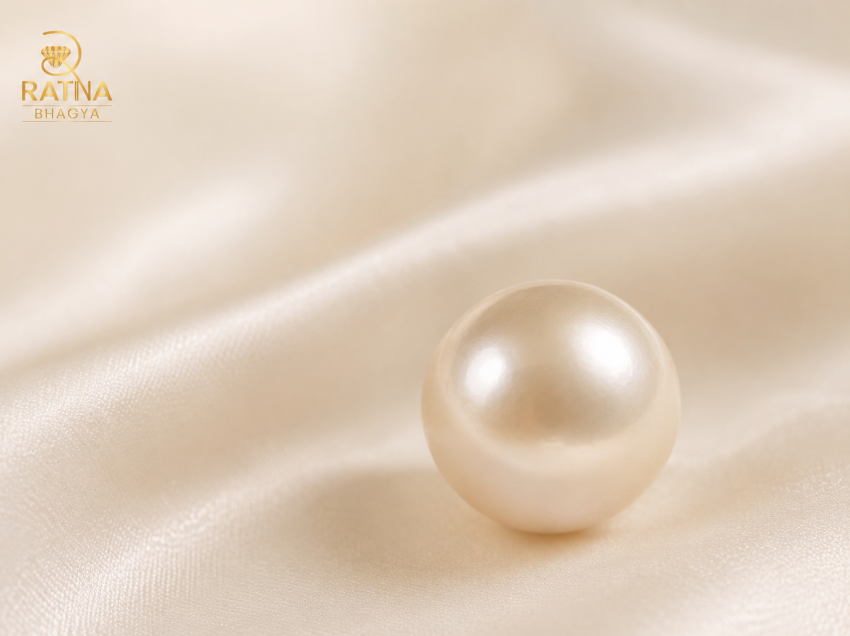
Pearls have captivated people for centuries with their soft luster, natural elegance, and timeless beauty. Unlike most gemstones that form deep within the Earth, pearls are organic gemstones created inside living marine or freshwater mollusks. Their unique origin makes them different from diamonds, sapphires, rubies, and other mineral gemstones.
Beyond their beauty, pearls have acquired rich symbolic and spiritual meanings across different cultures. They have traditionally been associated with purity, wisdom, peace, femininity, emotional balance, and spiritual awareness. In Vedic astrology, Pearl is known as Moti and is associated with the Moon (Chandra).
Whether worn as a necklace, ring, pendant, or pair of earrings, Pearl remains one of the most meaningful and versatile gemstones in jewelry. This guide explores the meaning of Pearl Stone, its symbolism, spiritual significance, varieties, astrological associations, and tips for choosing and caring for genuine pearls.
Disclaimer: The spiritual and astrological associations discussed in this article are based on traditional beliefs and cultural practices. There is no scientific evidence that wearing pearls can directly influence health, emotions, destiny, wealth, or other life events.
What Is Pearl Stone?
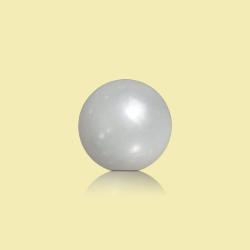
Pearl is an organic gemstone formed when layers of nacre, commonly called mother-of-pearl, accumulate around an irritant or implanted nucleus inside a mollusk.
Pearls are broadly divided into two categories:
- Natural pearls – Form naturally without deliberate human intervention and are extremely rare.
- Cultured pearls – Form with human assistance, usually by introducing an irritant or nucleus into a mollusk and allowing nacre to develop around it.
Cultured pearls are genuine pearls and make up most of the pearl jewelry available today.
Pearls can be produced in both marine and freshwater environments and are available in colors such as white, cream, pink, silver, golden, gray, and black.
Pearl Stone Meaning
The meaning of Pearl has developed through centuries of cultural traditions. Because of its smooth surface, soft glow, and connection with water, Pearl has commonly been associated with qualities such as:
- Purity
- Peace
- Calmness
- Wisdom
- Grace
- Innocence
- Emotional balance
- Spiritual awareness
Its understated appearance distinguishes it from brightly colored gemstones. Rather than being associated with boldness and intensity, Pearl is often viewed as a symbol of serenity and elegance.
Pearl Symbolism Across Cultures
Pearls have held special significance in many civilizations.
Ancient India
Pearls have a long history in Indian jewelry and literature. They have traditionally been associated with purity, prosperity, beauty, and royalty.
In Vedic astrology, Pearl is associated with the Moon and is traditionally connected with emotional well-being, intuition, and mental peace.
Ancient Rome
Pearls were considered symbols of status and wealth. Roman elites used pearls extensively in jewelry and clothing.
Ancient China
Pearls were traditionally associated with wisdom, prosperity, and good fortune. They also appeared in royal and ceremonial objects.
Middle Eastern Traditions
Pearls have historically been treasured because of their rarity and beauty, particularly in regions with longstanding pearl-diving traditions.
Across these cultures, the pearl repeatedly appears as a symbol of purity, value, beauty, and refinement.
Spiritual Significance of Pearl
Pearl has long been associated with inner peace and spiritual reflection.
1. Symbol of Purity
The smooth, luminous surface of a pearl has traditionally represented purity and innocence.
For this reason, pearls are frequently chosen for:
- Weddings
- Religious ceremonies
- Milestone celebrations
- Meaningful gifts
2. Associated with Inner Peace
Pearl's soft appearance and connection with water have contributed to its traditional association with calmness and tranquility.
Many people view Pearl as a symbolic reminder to:
- Slow down
- Maintain emotional balance
- Practice patience
- Find calm during difficult moments
3. Symbol of Wisdom
Because a pearl develops gradually through layers of nacre, it has often been used as a metaphor for wisdom gained through experience.
Its symbolism can represent the idea that meaningful growth takes time.
4. Associated with Emotional Balance
In spiritual traditions, Pearl is often connected with emotions and sensitivity.
It may be chosen as a personal symbol of:
- Emotional awareness
- Compassion
- Patience
- Harmony
These are symbolic associations rather than scientifically established effects.
Pearl in Vedic Astrology
In Vedic astrology, Pearl is known as Moti and is associated with the Moon (Chandra).
The Moon is traditionally connected with:
- Emotions
- Mind
- Intuition
- Motherhood
- Compassion
- Creativity
- Mental peace
Astrologers may recommend Pearl when the Moon is considered favorable or when strengthening its influence is considered appropriate in an individual's birth chart.
Because astrological gemstone recommendations are personalized, traditional practice generally suggests consulting a qualified astrologer before wearing Pearl specifically for astrological purposes.
Traditional Pearl Stone Benefits
According to traditional Vedic astrology and spiritual beliefs, Pearl is associated with:
Peace and Calmness
Pearl is traditionally regarded as a gemstone of serenity and emotional balance.
Emotional Harmony
It is often connected with compassion, sensitivity, and harmonious relationships.
Intuition
Because of its association with the Moon, Pearl is traditionally linked with intuition and emotional awareness.
Wisdom and Self-Reflection
Pearl's gradual formation has made it a symbolic representation of personal growth and wisdom.
Spiritual Awareness
Many cultures associate pearls with purity, mindfulness, and inner development.
These perceived benefits are based on tradition and personal belief, not scientific evidence.
Why Are Pearls Considered Beautiful?
Pearls have a unique quality known as orient, which refers to the soft, almost glowing appearance created by light interacting with layers of nacre.
Unlike faceted gemstones that sparkle through cut surfaces, pearls produce a subtle glow across their surface.
Their appeal comes from:
- Natural luster
- Smooth texture
- Soft reflection
- Elegant colors
- Organic individuality
This makes Pearl especially popular in classic and minimalist jewelry.
Different Types of Pearls
Akoya Pearls
Akoya pearls are marine cultured pearls particularly known for their:
- Round shapes
- High luster
- White to cream colors
They are widely used in classic pearl necklaces and earrings.
Freshwater Pearls
Freshwater pearls are primarily cultivated in freshwater mussels.
They are available in numerous:
- Shapes
- Sizes
- Colors
They are also generally more affordable than many high-quality marine pearls.
South Sea Pearls
South Sea pearls are among the largest cultured pearls and are particularly valued for their impressive size and satin-like luster.
They commonly occur in:
- White
- Silver
- Golden
Tahitian Pearls
Tahitian pearls are famous for naturally dark body colors, including:
- Gray
- Black
- Green
- Peacock
- Purple tones
Their unusual colors make them highly distinctive.
How to Choose a Quality Pearl
When buying Pearl jewelry, consider the following characteristics.
Luster
Luster is one of the most important quality factors. A high-quality pearl should have a bright, sharp reflection.
Surface Quality
Natural imperfections are common. However, fewer and less noticeable surface marks generally increase desirability.
Shape
Pearls can be:
- Round
- Near-round
- Oval
- Button
- Drop
- Baroque
Round pearls are traditionally among the most valuable, while unusual baroque shapes can have their own artistic appeal.
Size
Larger pearls can be more valuable, although size should always be evaluated together with luster, shape, surface quality, and type.
Matching
For necklaces and earrings, matching pearls for size, color, shape, and luster can significantly improve the overall appearance.
Natural Pearl vs Cultured Pearl
A common misconception is that cultured pearls are fake. They are not.
Natural pearls and cultured pearls are both genuine pearls. The primary difference is how their formation begins.
Natural pearls form without deliberate human intervention, while cultured pearls develop after human-assisted cultivation.
Natural pearls are extremely rare and can command very high prices. Cultured pearls are much more widely available and are the standard choice for most modern pearl jewelry.
How to Care for Pearl Jewelry
Pearl is relatively soft compared with many mineral gemstones, so proper care is essential.
Keep Pearls Away from Chemicals
Avoid exposing pearls to:
- Perfume
- Hairspray
- Cosmetics
- Household cleaners
- Chlorinated water
Apply cosmetics and perfume before putting on pearl jewelry.
Clean Gently
After wearing, wipe pearls with a soft, slightly damp cloth to remove oils and residue.
Avoid abrasive materials.
Store Separately
Keep pearls in a soft pouch or fabric-lined jewelry box. Do not store them directly against harder gemstones such as diamonds or sapphires.
Avoid Extreme Conditions
Protect pearls from excessive heat, dryness, and sudden environmental changes.
Pearl as a Gift
Pearls make meaningful gifts because of their symbolism.
They are often chosen for:
- Weddings
- Anniversaries
- Birthdays
- Graduations
- Mother's Day
- Personal milestones
Their association with purity, wisdom, and lasting relationships makes them suitable for many important occasions.
Frequently Asked Questions (FAQs)
What does Pearl Stone symbolize?
Pearl traditionally symbolizes purity, peace, wisdom, emotional balance, elegance, and spiritual awareness.
Which planet is associated with Pearl?
In Vedic astrology, Pearl (Moti) is associated with the Moon (Chandra).
Is Pearl a gemstone?
Yes. Pearl is classified as an organic gemstone because it is produced by living organisms rather than geological mineral formation.
Are cultured pearls real pearls?
Yes. Cultured pearls are genuine pearls formed through human-assisted cultivation. They are not imitation gemstones.
Why are pearls associated with peace?
Pearls have a soft luster and long-standing cultural associations with the Moon, water, purity, and emotional calmness. These symbolic connections have contributed to their reputation as stones of peace.
Can everyone wear Pearl according to astrology?
Traditional Vedic astrology does not consider Pearl suitable for everyone. Astrologers generally examine the individual's birth chart before recommending it for astrological purposes.
How should Pearl jewelry be cleaned?
Gently wipe pearls with a soft, damp cloth after wearing. Avoid harsh chemicals, ultrasonic cleaners, and abrasive materials.
Conclusion
Pearl Stone is much more than an elegant jewelry gemstone. Its unique organic origin, soft luster, and centuries of cultural history have given it a rich collection of meanings and symbolism. Across different traditions, Pearl has been associated with purity, wisdom, peace, emotional harmony, and spiritual awareness.
In Vedic astrology, Moti is associated with the Moon and is traditionally regarded as a gemstone connected with calmness, intuition, and emotional balance. While these astrological and spiritual beliefs have not been scientifically established, they remain an important part of the cultural significance of Pearl.
Whether you choose a Pearl for its symbolism, traditional significance, or timeless beauty, selecting a quality pearl and caring for it properly can help preserve its natural elegance for many years. From classic Akoya strands to distinctive Tahitian and South Sea pearls, every pearl carries its own character—making this remarkable gemstone a lasting symbol of beauty and grace.
Share this post:

You Might Also Be Interested In
Discover more insightful articles related to this topic to deepen your gemstone knowledge.
22 April
The Symbolism of Ruby Gemstone
There are various beneficial gemstones, yet none of them can be termed Supreme. Ruby has...
4 July
The Magical One Mukhi Rudraksha
The 1 Mukhi Rudraksha is a precious gift from nature to humans. It is uncommon...
23 June
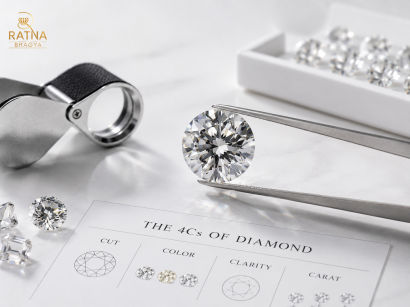
How Diamonds Are Graded: Understanding the 4Cs
Diamonds are among the most sought-after gemstones in the world, admired for their brilliance, durability,...
6 August
Garnet Stone Benefits: Symbolism and Modern Uses
The Garnet Stone is one of the oldest and most admired gemstones in history, celebrated...
30 April
Significance of Colors in Astrology
Significance of Colors in Astrology in a person life, Acc. to colour psychologists, there are...
26 April
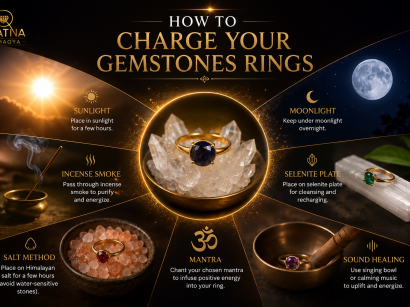
How to Charge Your Gemstones Rings
Gemstones have so immense strength that they may amplify and absorb direct energy. Gemstones create...