845, Ground Floor, Udyog Vihar Phase V, Sector 19, Gurugram, Haryana 122016
GET DIRECTION
Yellow Sapphire Ring Benefits: Why You Should Wear a Pukhraj Ring
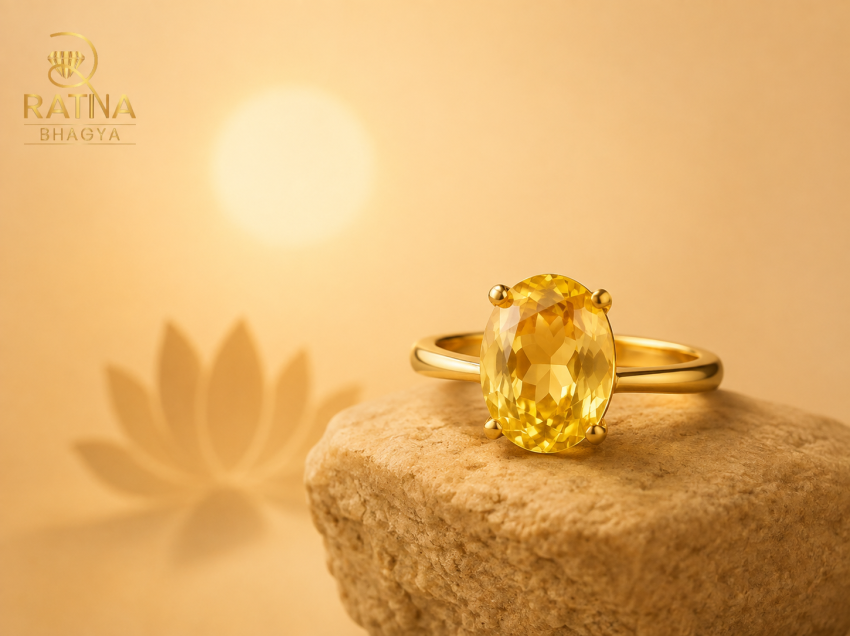
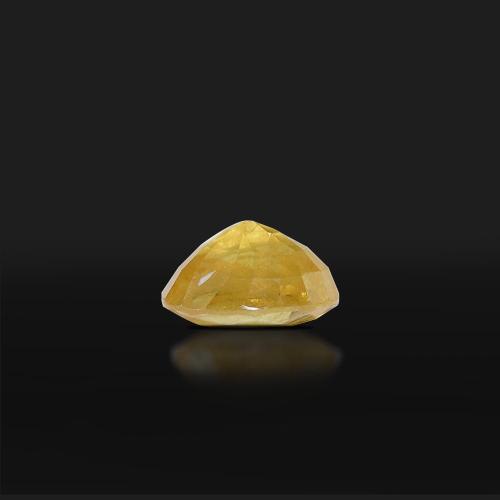
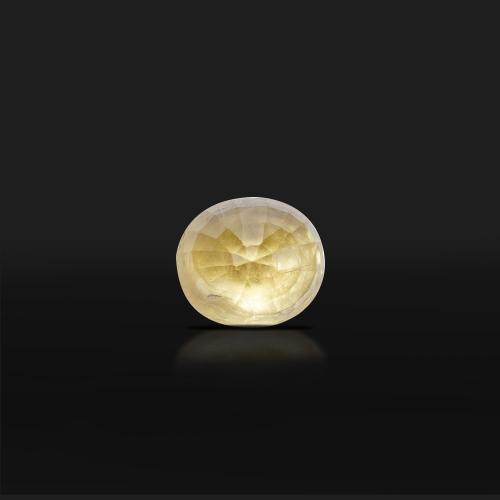
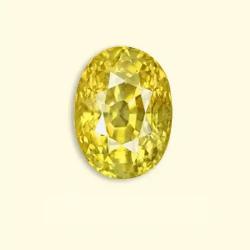
Yellow Sapphire, popularly known as Pukhraj or Pushkaraj, is one of the most respected gemstones in Vedic astrology. Recognized for its beautiful yellow-to-golden color, excellent durability, and traditional connection with Jupiter (Guru), Pukhraj has been worn for centuries as a symbol of wisdom, prosperity, good fortune, and growth.
A Yellow Sapphire ring is particularly popular among people who follow Vedic astrology and wish to strengthen the traditionally favorable influence of Jupiter. However, like other astrological gemstones, Pukhraj is not considered suitable for everyone. Its suitability is traditionally determined through an individual's birth chart.
In this guide, we'll explore the traditional benefits of wearing a Yellow Sapphire ring, who should wear Pukhraj, how to wear it, how to choose a genuine gemstone, and how to care for it.
Disclaimer: The benefits discussed in this article are based on traditional Vedic astrology and cultural beliefs. There is no scientific evidence that wearing Yellow Sapphire can directly influence wealth, marriage, health, career, or other life events.
What Is Yellow Sapphire (Pukhraj)?
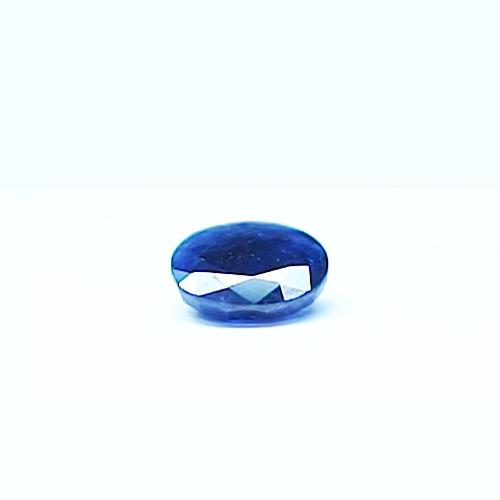
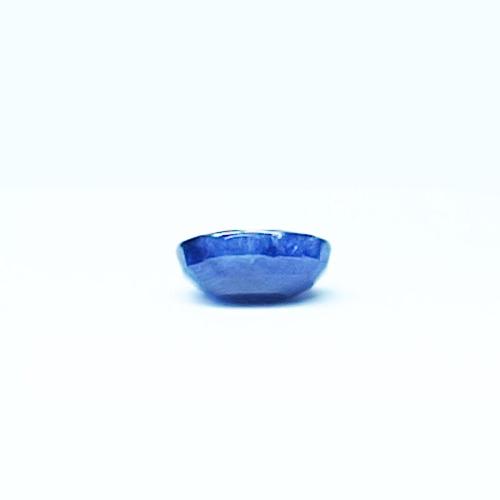
Yellow Sapphire is a precious variety of corundum, the same mineral family that includes Ruby and Blue Sapphire. Its yellow color is primarily caused by trace amounts of iron.
Natural Yellow Sapphires are sourced from several locations, including:
- Sri Lanka
- Madagascar
- Tanzania
- Thailand
- Australia
Ceylon Yellow Sapphire from Sri Lanka is particularly admired for its bright yellow color, transparency, and brilliance.
Yellow Sapphire and Jupiter in Vedic Astrology
In Vedic astrology, Jupiter (Guru) is traditionally associated with:
- Wisdom
- Knowledge
- Prosperity
- Marriage
- Education
- Good fortune
- Spiritual growth
- Expansion
Yellow Sapphire is considered the gemstone of Jupiter. Astrologers may recommend Pukhraj when Jupiter is considered favorable in a person's birth chart.
Top Yellow Sapphire Ring Benefits
1. Traditionally Associated with Prosperity
One of the most popular reasons people wear a Pukhraj ring is its traditional association with wealth and abundance.
Yellow Sapphire is believed to symbolize:
- Financial growth
- Prosperity
- Abundance
- Stability
- New opportunities
These associations are rooted in traditional astrology rather than scientific evidence.
2. Supports Career Growth
Jupiter is traditionally regarded as a planet of expansion and professional development.
For this reason, astrologers may recommend Yellow Sapphire to individuals seeking:
- Career advancement
- Professional recognition
- Leadership opportunities
- Business growth
- Greater stability
The recommendation depends on the individual's complete horoscope.
3. Traditionally Linked with Marriage and Relationships
Yellow Sapphire has a particularly strong association with marriage in Vedic astrology.
It may traditionally be recommended for individuals seeking:
- Marriage opportunities
- A compatible partner
- Relationship harmony
- Stability in married life
However, wearing Pukhraj should not be considered a guarantee of marriage or relationship success.
4. Symbolizes Wisdom and Knowledge
Jupiter is traditionally known as Guru, representing knowledge and wisdom.
Yellow Sapphire is therefore associated with:
- Learning
- Good judgment
- Wisdom
- Intellectual development
- Thoughtful decision-making
Students, teachers, researchers, and professionals may find the symbolism particularly meaningful.
5. Encourages Confidence and Optimism
The bright golden color of Yellow Sapphire is often associated with positivity and optimism.
Traditionally, Pukhraj is believed to symbolize:
- Confidence
- Positive thinking
- Motivation
- Hope
- Personal growth
6. Traditionally Associated with Good Fortune
Jupiter is often described in Vedic astrology as a planet of growth and fortune.
Yellow Sapphire is consequently associated with:
- Luck
- Opportunities
- Success
- Expansion
- Positive developments
These are traditional astrological interpretations and are not scientifically proven.
7. Supports Spiritual Growth
Beyond material prosperity, Jupiter also represents spiritual knowledge and higher learning.
Yellow Sapphire is traditionally associated with:
- Spiritual awareness
- Meditation
- Philosophy
- Self-reflection
- Ethical living
This makes Pukhraj meaningful for people interested in both personal and spiritual development.
Who Should Wear a Yellow Sapphire Ring?
According to traditional Vedic astrology, Pukhraj may be recommended for individuals with a favorable Jupiter in their birth chart.
An astrologer may consider:
- Jupiter's house placement
- Jupiter's zodiac sign
- Planetary aspects
- Jupiter Mahadasha or Antardasha
- The overall horoscope
Traditionally, Pukhraj May Be Considered For:
- Individuals seeking professional growth
- People looking for marriage-related astrological guidance
- Students and educators
- Entrepreneurs and business owners
- Those experiencing Jupiter-related planetary periods
However, simply wearing Yellow Sapphire based on your zodiac sign is not enough to determine suitability.
Who Should Avoid Wearing Yellow Sapphire?
Traditional astrological guidance may advise against wearing Pukhraj when:
- Jupiter is considered unfavorable in the birth chart.
- Jupiter has challenging planetary relationships.
- The gemstone is selected without proper horoscope analysis.
If you are wearing Pukhraj specifically for astrology, consulting a qualified astrologer before purchasing one is advisable.
How to Wear a Yellow Sapphire Ring
Traditional Vedic practices commonly recommend:
- Metal: Gold
- Finger: Index finger of the working hand
- Day: Thursday
- Time: Morning, according to traditional practice
- Gemstone: Natural, certified Yellow Sapphire
- Setting: Traditionally, the gemstone is set so that it can touch the skin.
Specific practices may differ according to regional traditions and individual astrological guidance.
How to Choose a Genuine Yellow Sapphire
Choosing a genuine gemstone is especially important when purchasing Pukhraj for astrological purposes.
1. Look for Attractive Yellow Color
Desirable Yellow Sapphires generally display:
- Bright yellow
- Golden yellow
- Lemon yellow
- Vivid yellow
The color should be natural and reasonably even.
2. Check Clarity and Transparency
Good-quality Yellow Sapphire usually has:
- Good transparency
- Attractive brilliance
- Minimal distracting inclusions
A completely flawless natural gemstone is rare.
3. Check for Treatments
Heat treatment is common in the sapphire market and may be used to improve color and clarity.
Treatment does not automatically mean the stone is fake, but it should be clearly disclosed.
For astrological purposes, many practitioners traditionally prefer natural, untreated stones.
4. Always Ask for Certification
A recognized gemological certificate can provide information about:
- Natural or synthetic origin
- Treatments
- Carat weight
- Measurements
- Gemstone identity
Certification is particularly important for expensive Yellow Sapphires.
Yellow Sapphire Ring: Natural vs Synthetic
Natural Yellow Sapphire
- Forms naturally underground.
- Has natural geological characteristics.
- Generally more valuable.
- Traditionally preferred for astrological purposes.
Synthetic Yellow Sapphire
- Created in a laboratory.
- Has essentially the same chemical composition as natural sapphire.
- Usually costs less.
- Should be clearly disclosed as laboratory-created.
The traditional astrological preference for natural stones is a matter of belief, not scientific evidence.
How to Care for a Yellow Sapphire Ring
Yellow Sapphire has a Mohs hardness of 9, making it highly suitable for everyday jewelry.
Cleaning
- Use lukewarm water.
- Add a small amount of mild soap.
- Gently clean with a soft brush.
- Dry using a lint-free cloth.
Avoid
- Harsh chemicals
- Abrasive cleaners
- Strong physical impacts
- Prolonged exposure to substances that may damage the metal setting
Storage
Store your Pukhraj ring separately from other jewelry to prevent accidental scratches and damage.
Common Mistakes When Buying Pukhraj
Avoid these common mistakes:
Buying Without Certification
An uncertified stone may not be natural or may have undisclosed treatments.
Choosing Only by Size
A larger Yellow Sapphire is not necessarily better. Color, clarity, cut, and transparency are also important.
Buying Based Only on Astrological Claims
No gemstone can scientifically guarantee wealth, marriage, health, or success.
Choosing an Extremely Cheap Stone
An unusually low price may indicate synthetic material, poor quality, imitation, or undisclosed treatment.
Frequently Asked Questions (FAQs)
What are the benefits of wearing a Yellow Sapphire ring?
According to Vedic astrology, Yellow Sapphire is traditionally associated with prosperity, wisdom, career growth, marriage, good fortune, and spiritual development.
Which planet is associated with Pukhraj?
Yellow Sapphire is associated with Jupiter (Guru).
Which finger should a Yellow Sapphire ring be worn on?
Traditional guidelines commonly recommend the index finger of the working hand.
Which metal is best for a Pukhraj ring?
Gold is traditionally preferred for Yellow Sapphire rings.
Can everyone wear Yellow Sapphire?
No. Traditional astrology recommends checking Jupiter's position in the individual's birth chart before wearing Pukhraj for astrological purposes.
Is a natural Yellow Sapphire better than a synthetic one?
Natural and synthetic sapphires can have similar physical properties, but natural stones are rarer and generally more valuable. Traditional astrologers who recommend Pukhraj typically prefer natural gemstones.
Conclusion
A Yellow Sapphire ring (Pukhraj) combines timeless beauty with a rich history of astrological and cultural significance. In Vedic astrology, it is associated with Jupiter, the planet traditionally connected with wisdom, prosperity, marriage, good fortune, and growth.
While these benefits are based on traditional beliefs rather than scientific evidence, Pukhraj remains a popular choice for people who appreciate its symbolism and elegant golden appearance.
If you're considering a Yellow Sapphire ring, focus on authenticity, quality, certification, and proper craftsmanship. And if you intend to wear it for astrological reasons, consult a qualified astrologer to determine whether Pukhraj is appropriate for your individual birth chart.
A well-chosen, certified Yellow Sapphire can be both a beautiful jewelry piece and a meaningful symbol of wisdom, prosperity, and positive growth.
Share this post:
You Might Also Be Interested In
Discover more insightful articles related to this topic to deepen your gemstone knowledge.

7 July
Red Coral Pendant: Benefits and Best Ways to Wear It
A Red Coral Pendant, also known as a Moonga Pendant, is a beautiful piece of...
19 June
How Cat's Eye Gets Its Unique Chatoyancy Effect
The Cat's Eye gemstone (Lehsunia) is one of the most fascinating gems in the world,...

23 July
Common Mistakes People Make While Wearing Gemstones
Gemstones have been admired for centuries for their beauty, rarity, and cultural significance. Many people...
1 September
Yellow Sapphire Benefits: Why Pukhraj Is So Popular in Astrology
Yellow Sapphire, traditionally known as Pukhraj Stone, is one of the most respected gemstones in...
10 June
Yellow Sapphire Uses: Benefits, Meaning, and Why People Wear Pukhraj Stone
Yellow Sapphire, also known as Pukhraj, is one of the most popular gemstones in the...
17 July
Opal Stone Price Guide 2026: Factors That Affect the Value of Opal
Opal is one of the most fascinating gemstones in the world, admired for its mesmerizing...