845, Ground Floor, Udyog Vihar Phase V, Sector 19, Gurugram, Haryana 122016
GET DIRECTION
Yellow Sapphire Price Guide for First-Time Buyers
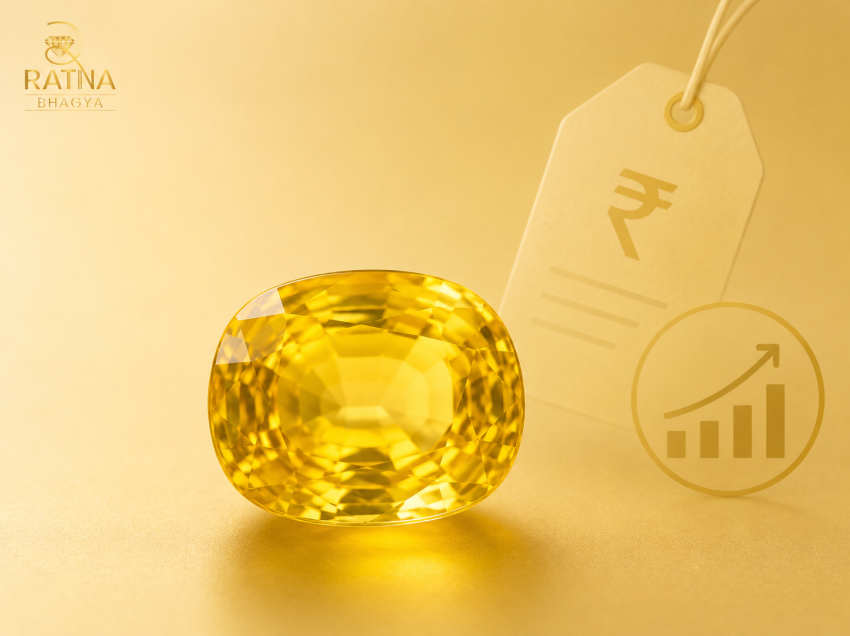
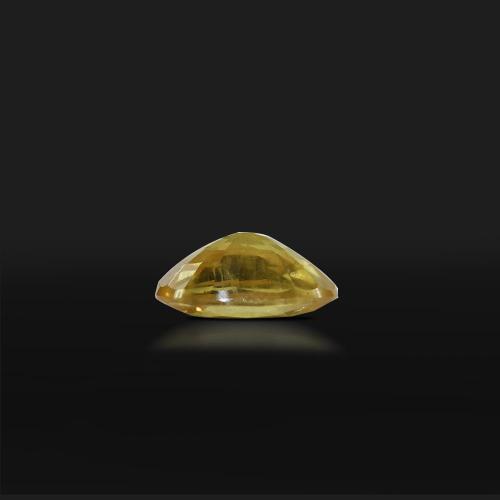
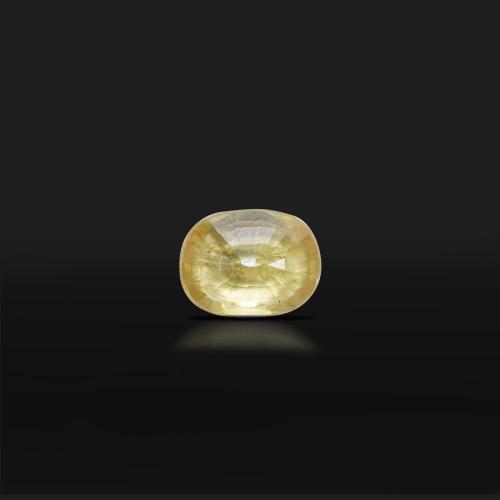
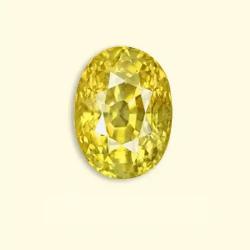
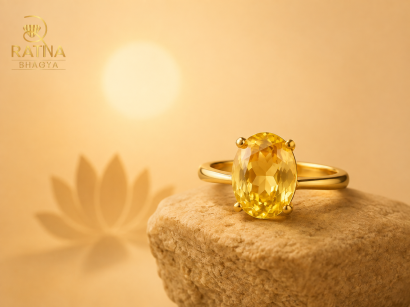
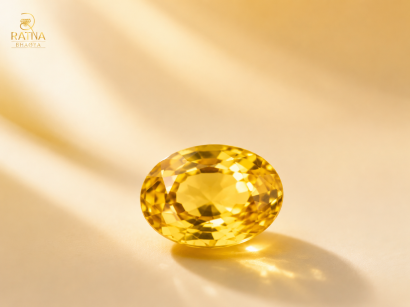
Yellow Sapphire, popularly known as Pukhraj or Pushkaraj, is one of the most sought-after gemstones in the world. Valued for its brilliant golden-yellow color, durability, and astrological significance, Yellow Sapphire is often purchased for engagement rings, fine jewelry, and Vedic astrology.
For first-time buyers, understanding Yellow Sapphire pricing can be challenging. Prices vary significantly depending on factors such as color, origin, clarity, treatment, certification, and carat weight. This guide explains everything you need to know before buying your first Yellow Sapphire so you can make a confident and informed purchase.
Note: Gemstone prices fluctuate over time due to market demand, rarity, origin, and quality. The price ranges mentioned below are approximate and intended for educational purposes.
What Is Yellow Sapphire (Pukhraj)?
Yellow Sapphire is a precious gemstone belonging to the corundum mineral family, the same family as Ruby and Blue Sapphire. Its beautiful yellow color is produced by trace amounts of iron.
Major sources include:
- Sri Lanka (Ceylon)
- Madagascar
- Thailand
- Tanzania
- Australia
Among these, Ceylon Yellow Sapphires are widely regarded as some of the finest due to their bright color and exceptional clarity.
Why Does Yellow Sapphire Cost So Much?
Unlike many semi-precious gemstones, Yellow Sapphire is relatively rare.
Several factors contribute to its value:
- Limited supply
- High consumer demand
- Exceptional durability
- Attractive color
- Astrological popularity
- Use in luxury jewelry
High-quality natural Yellow Sapphires can command premium prices.
Factors That Affect Yellow Sapphire Price
1. Color
Color is the most important pricing factor.
The most valuable Yellow Sapphires display:
- Bright golden yellow
- Lemon yellow
- Canary yellow
- Vivid yellow
Less valuable stones may appear:
- Pale yellow
- Brownish-yellow
- Greenish-yellow
- Grayish-yellow
Generally, richer and more evenly distributed color increases value.
2. Clarity
Natural Yellow Sapphires usually contain small inclusions.
Higher-priced stones typically have:
- Excellent transparency
- Fewer visible inclusions
- Better brilliance
Eye-clean gemstones are generally more desirable.
3. Carat Weight
Larger gemstones are rarer.
As carat weight increases:
- Price per carat usually rises.
- High-quality large stones become significantly more valuable.
For example:
- 1-carat stones are relatively common.
- 5-carat fine-quality stones are much rarer.
4. Origin
Origin often influences market value.
Sri Lankan (Ceylon)
Highly prized for:
- Bright yellow color
- Excellent clarity
- Strong brilliance
Often among the most expensive.
Madagascar
Produces attractive Yellow Sapphires at competitive prices.
Thailand and Australia
Generally more affordable, though quality varies.
5. Treatments
Most Yellow Sapphires undergo heat treatment to improve color and clarity.
Heated Stones
- Common in the market
- More affordable
- Treatment should always be disclosed
Untreated Stones
Natural, untreated Yellow Sapphires are much rarer and usually command higher prices.
6. Cut
A well-cut gemstone enhances:
- Brilliance
- Color
- Sparkle
Poor cutting can reduce the stone's beauty, even if the color is excellent.
Approximate Yellow Sapphire Price Range
Prices vary based on quality, certification, origin, and treatments.
| Quality | Approximate Price (per carat)* |
|---|---|
| Commercial Quality | ₹2,000 – ₹8,000 |
| Good Quality | ₹8,000 – ₹25,000 |
| Premium Quality | ₹25,000 – ₹80,000+ |
| Fine Untreated Ceylon Sapphire | ₹80,000 to several lakhs+ |
*These are approximate ranges and may vary depending on the seller, market conditions, and gemstone characteristics.
Natural vs Synthetic Yellow Sapphire
Natural Yellow Sapphire
- Formed naturally over millions of years
- Higher market value
- Preferred by collectors
- Traditionally recommended for astrological purposes
Synthetic (Lab-Created) Yellow Sapphire
- Manufactured in laboratories
- Same chemical composition as natural sapphire
- More affordable
- Commonly used in fashion jewelry
For astrological purposes, many practitioners traditionally recommend natural gemstones rather than lab-created ones. This preference is based on astrological beliefs rather than scientific evidence.
Importance of Certification
Always purchase a certified Yellow Sapphire.
A gemstone certificate confirms:
- Natural or synthetic origin
- Treatments
- Carat weight
- Measurements
- Quality characteristics
Certification provides confidence and helps you compare gemstones objectively.
Tips for First-Time Buyers
Set a Budget
Decide how much you want to spend before shopping.
Remember:
- Bigger is not always better.
- Quality often matters more than size.
Prioritize Color
Choose a gemstone with:
- Bright yellow color
- Even color distribution
- Attractive brilliance
Color generally has the greatest impact on appearance.
Buy Certified Stones
Certification protects buyers from misrepresentation and increases confidence in the purchase.
Purchase from Trusted Sellers
Choose jewelers who:
- Clearly disclose treatments
- Provide certification
- Offer transparent pricing
- Have positive customer reviews
Compare Multiple Stones
View several gemstones before making a final decision.
Comparing color, clarity, and brilliance helps you understand differences in value.
Common Mistakes to Avoid
Avoid these common buying errors:
- Purchasing without certification
- Choosing only based on price
- Ignoring treatments
- Assuming all Ceylon stones are identical
- Buying from unknown sellers without proper documentation
Is Yellow Sapphire a Good Investment?
High-quality natural Yellow Sapphires may retain value because of their rarity and demand.
However, gemstone prices depend on factors such as:
- Quality
- Origin
- Certification
- Market trends
- Consumer demand
If you're purchasing primarily as an investment, research carefully and consult experienced gemstone professionals.
Caring for Your Yellow Sapphire
Proper care helps preserve its beauty.
Cleaning
- Wash with lukewarm water and mild soap.
- Use a soft brush if needed.
- Dry with a lint-free cloth.
Avoid
- Harsh chemicals
- Abrasive cleaners
- Heavy impacts
Storage
Store separately in a soft pouch or jewelry box to prevent scratches on other gemstones.
Frequently Asked Questions (FAQs)
How much does a Yellow Sapphire cost?
Prices vary depending on color, clarity, origin, treatments, and carat weight. Commercial-quality stones may start around ₹2,000 per carat, while premium untreated stones can cost ₹80,000 per carat or much more.
Why are Ceylon Yellow Sapphires expensive?
Ceylon (Sri Lankan) Yellow Sapphires are known for their vivid color, excellent clarity, and high quality, making them especially desirable.
Should I buy a heated or untreated Yellow Sapphire?
Both can be genuine gemstones. Untreated stones are rarer and generally more expensive. Always ensure any treatments are clearly disclosed.
Is certification necessary?
Yes. Certification helps verify whether the gemstone is natural or synthetic and identifies any treatments it has received.
Which Yellow Sapphire is best for beginners?
A certified natural Yellow Sapphire with good color, clarity, and a reasonable carat weight offers an excellent balance between quality and budget.
Conclusion
Buying your first Yellow Sapphire doesn't have to be complicated. By understanding the key factors that influence price—such as color, clarity, carat weight, origin, treatments, and certification—you can make an informed decision that suits your needs and budget.
Whether you're purchasing a Yellow Sapphire for fine jewelry, collecting, or traditional astrological purposes, always prioritize quality over size, choose a certified natural gemstone, and buy from a reputable jeweler. A well-selected Yellow Sapphire is not only a beautiful addition to your collection but also a gemstone that can be appreciated for generations.
Share this post:
You Might Also Be Interested In
Discover more insightful articles related to this topic to deepen your gemstone knowledge.
20 June
How to Identify a Genuine Amethyst Stone
Amethyst is one of the most popular and widely recognized gemstones in the world. Known...
5 August
How to Identify a Genuine Emerald Gemstone
Emerald is one of the world's most treasured gemstones, admired for its rich green color,...
15 April
Yellow Sapphire for a Better Life with Jyotish Gemstones Therapy
Team RatnaBhagya wishes the entire society a very happy and prosperous new Year 2022. We...
16 May
Anniversary Stones (Year-wise) & Their Significance
Married couples have been celebrating their anniversary, since the Middle Ages. To celebrate the occasion,...
22 April
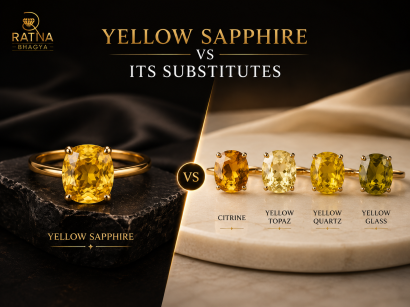
Difference Between Yellow Sapphire And Its Substitutes
There are gemstones that are extremely similar in colour, yet their characteristics are vastly different....
20 June
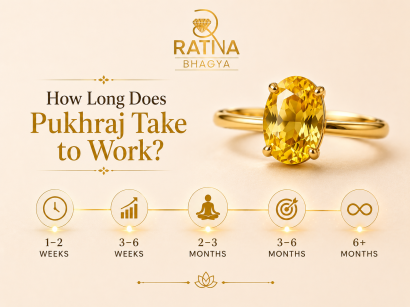
How long does pukhraj take to work?
Gemstones are a natural gift bestowed by heavenly planetary energies. Gemstones are only rare and...