845, Ground Floor, Udyog Vihar Phase V, Sector 19, Gurugram, Haryana 122016
GET DIRECTION
Opal Stone Price Guide 2026: Factors That Affect the Value of Opal
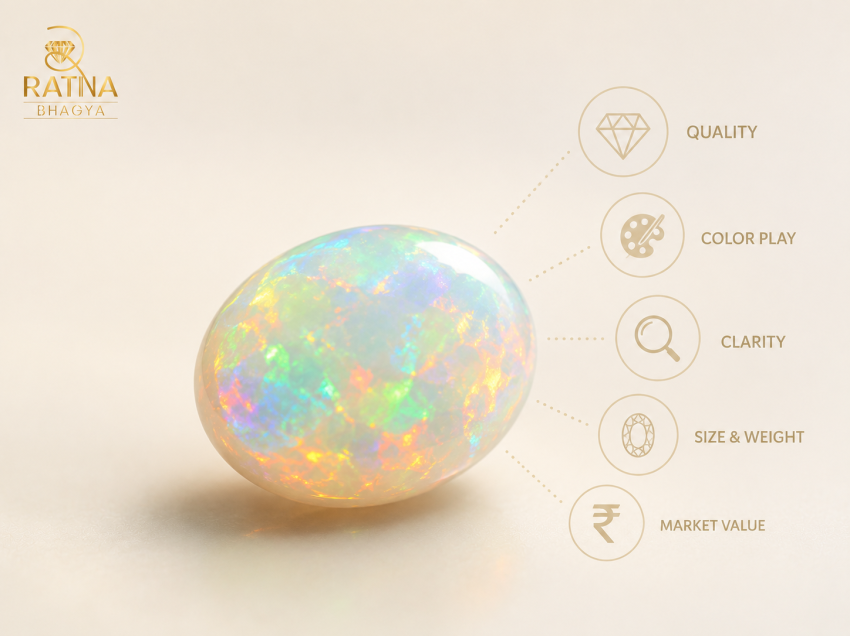
Opal is one of the most fascinating gemstones in the world, admired for its mesmerizing play-of-color—the rainbow-like flashes that change as the stone moves. Whether you're buying an Opal for jewelry, collecting, or astrological purposes, understanding what determines its price is essential.
Unlike gemstones such as diamonds or sapphires, Opal pricing is influenced by several unique characteristics, including its type, color play, origin, body tone, transparency, and treatments. As a result, two opals of the same size can have dramatically different values.
This comprehensive 2026 Opal Price Guide explains the key factors that affect Opal prices and provides practical tips for first-time buyers.
Note: Opal prices fluctuate based on market demand, quality, origin, and rarity. The price ranges mentioned below are approximate and intended for educational purposes. (BlueStone Blog)
What Is an Opal Stone?
Opal is a hydrated form of silica that contains a small percentage of water. Unlike crystalline gemstones, Opal has an amorphous structure. Its most remarkable feature is play-of-color, a natural optical effect that creates flashes of multiple colors when light passes through its microscopic silica spheres. (gia)
Natural Opals are mainly found in:
- Australia
- Ethiopia
- Mexico
- Brazil
- Honduras
Australia has traditionally been the world's leading source of precious Opals, particularly Black Opals and Boulder Opals. (Wikipedia)
Why Do Opal Prices Vary So Much?
Unlike many gemstones that are graded primarily by clarity and color, Opals are valued using several unique visual characteristics.
The most important pricing factors include:
- Play-of-color
- Type of Opal
- Body color
- Brightness
- Pattern
- Transparency
- Origin
- Size
- Treatments
- Certification
1. Play-of-Color (Most Important Factor)
The single biggest factor affecting an Opal's value is its play-of-color.
High-quality Opals display:
- Bright flashes
- Multiple colors
- Even color distribution
- Dynamic color movement
The strongest and most vibrant play-of-color commands the highest prices. (gia)
Most Valuable Colors
Generally, the value of play-of-color follows this order:
- Red
- Orange
- Yellow
- Green
- Blue
- Violet
Red flashes are the rarest and usually increase an Opal's value significantly.
2. Type of Opal
Different Opal varieties have very different market values.
Black Opal
The rarest and most valuable variety.
Characteristics:
- Dark body tone
- Brilliant play-of-color
- Exceptional contrast
Australian Black Opals are considered the premium choice.
Boulder Opal
Forms naturally within ironstone rock.
Characteristics:
- Unique natural patterns
- Strong color flashes
- Excellent durability
Usually more valuable than White Opal.
Crystal Opal
Transparent to semi-transparent.
Characteristics:
- Bright color play
- High brilliance
- Elegant appearance
Premium Crystal Opals can be highly valuable.
White Opal
The most common precious Opal.
Characteristics:
- Light body color
- Soft pastel appearance
- More affordable
Excellent for first-time buyers.
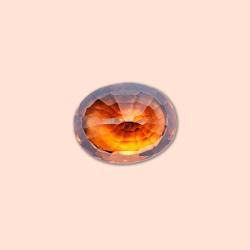
Fire Opal
Known for its orange to red body color.
Some Fire Opals display play-of-color, while others are valued mainly for their vibrant body color.
Ethiopian Opal
Increasingly popular due to:
- Bright color play
- Attractive pricing
- Wide availability
However, some Ethiopian Opals require additional care because certain varieties can absorb moisture more readily than many Australian Opals. (BlueStone Blog)
3. Body Tone
Body tone refers to the Opal's background color.
Generally:
- Black = Highest value
- Dark = High value
- Crystal = High value
- White = Moderate value
Darker body tones create stronger contrast, making play-of-color appear more vivid.
4. Brightness
Brightness measures how intense the colors appear.
Premium Opals display:
- Strong vivid flashes
- Excellent visibility
- Brilliant color from multiple viewing angles
Brighter stones are usually worth significantly more.
5. Pattern
Not all play-of-color patterns are equally valuable.
Highly prized patterns include:
- Harlequin
- Broad Flash
- Rolling Flash
- Ribbon
- Floral
Rare and well-defined patterns generally command premium prices.
6. Transparency
Transparency affects value depending on the Opal variety.
Crystal Opals
Transparent stones with vivid color play are highly desirable.
White Opals
Usually translucent to opaque.
Transparency alone is less important than brightness and color play.
7. Origin
Origin often influences market value.
Australia
Known for:
- Black Opal
- Boulder Opal
- Crystal Opal
Australian Opals generally command premium prices because of their quality and reputation.
Ethiopia
Offers:
- Vibrant color play
- Excellent affordability
- Large availability
Many buyers choose Ethiopian Opals for their attractive value.
Mexico
Famous for:
- Fire Opal
- Orange body color
- Transparent stones
Mexican Fire Opals are highly collectible.
8. Carat Weight
Larger Opals are rarer.
As size increases:
- Price per carat usually increases.
- Large stones with exceptional play-of-color become especially valuable.
A 10-carat premium Opal is much rarer than a 1-carat stone.
9. Shape and Cut
A well-cut Opal enhances:
- Color visibility
- Brightness
- Overall beauty
Most Opals are cut as:
- Oval cabochons
- Round cabochons
- Freeform shapes
Cabochon cuts maximize the play-of-color effect.
10. Natural vs Composite Opals
Natural Opal
- Solid gemstone
- Highest value
- Preferred by collectors
Doublet Opal
Thin natural Opal attached to a backing.
More affordable than solid Opals.
Triplet Opal
Contains:
- Thin Opal layer
- Dark backing
- Clear protective cap
Usually the least expensive precious Opal jewelry option.
Composite Opals are attractive but generally less valuable than solid natural Opals. (Wikipedia)
Approximate Opal Price Range (2026)
Prices vary considerably depending on quality and type.
| Opal Type | Approximate Price (per carat)* |
|---|---|
| White Opal | ₹1,500 – ₹10,000 |
| Ethiopian Opal | ₹2,000 – ₹20,000 |
| Fire Opal | ₹3,000 – ₹30,000+ |
| Crystal Opal | ₹10,000 – ₹80,000+ |
| Boulder Opal | ₹15,000 – ₹1,00,000+ |
| Black Opal | ₹50,000 to several lakhs+ |
*Approximate market ranges. Actual prices depend on quality, origin, and current market conditions. (BlueStone Blog)
Certification Matters
Always buy a certified Opal.
A gemstone certificate should verify:
- Natural or synthetic origin
- Solid, doublet, or triplet construction
- Treatments (if any)
- Weight
- Measurements
- Quality characteristics
Certification provides confidence and helps protect buyers.
Tips for First-Time Buyers
Prioritize Play-of-Color
Choose the brightest Opal within your budget.
Buy Certified Stones
Certification helps verify authenticity and treatments.
Compare Multiple Stones
Every Opal is unique.
Viewing several stones helps you understand differences in:
- Color
- Brightness
- Pattern
- Value
Buy from Trusted Jewelers
Choose sellers who:
- Clearly disclose treatments
- Offer certification
- Have transparent pricing
- Provide return policies
Consider Your Purpose
- Jewelry: Balance beauty and durability.
- Collecting: Focus on rarity and natural quality.
- Astrological use: Many practitioners traditionally recommend natural, untreated Opals. This preference is based on astrological beliefs rather than scientific evidence.
Caring for Your Opal
Opal is softer than many gemstones, with a Mohs hardness of about 5.5–6.5, so it requires careful handling. (Wikipedia)
Cleaning
- Use lukewarm water and mild soap.
- Wipe gently with a soft cloth.
Avoid
- Harsh chemicals
- Ultrasonic cleaners
- Strong impacts
- Extreme temperature changes
Storage
Store Opal separately in a soft pouch or jewelry box to prevent scratches.
Frequently Asked Questions (FAQs)
What is the most valuable type of Opal?
Black Opal is generally considered the most valuable because of its dark body tone and vivid play-of-color.
Why is Australian Opal more expensive?
Australian Opals, especially Black and Boulder Opals, are renowned for their exceptional quality, rarity, and brilliant color play.
Is Ethiopian Opal a good choice?
Yes. Ethiopian Opals often offer excellent color play at more affordable prices, although some varieties require extra care because of their moisture sensitivity.
Does a larger Opal always cost more?
Not necessarily. Color play, brightness, body tone, and overall quality can have a greater impact on value than size alone.
Should I buy a certified Opal?
Yes. Certification helps confirm authenticity, origin, and any treatments, making it an important part of an informed purchase.
Conclusion
Buying an Opal for the first time can be exciting, especially once you understand what determines its value. While size and origin are important, the most valuable Opals are those with vivid play-of-color, excellent brightness, attractive patterns, and high-quality craftsmanship.
Whether you're choosing a White Opal, Fire Opal, Crystal Opal, or the highly prized Black Opal, always purchase a certified natural gemstone from a reputable jeweler. By understanding the factors that influence Opal pricing, you'll be well-equipped to choose a gemstone that offers beauty, quality, and lasting value.
Share this post:
You Might Also Be Interested In
Discover more insightful articles related to this topic to deepen your gemstone knowledge.
12 August
Pearl Stone Meaning: Symbolism, Beauty, and Spiritual Significance
Pearls have captivated people for centuries with their soft luster, natural elegance, and timeless beauty....
7 July
Red Coral Pendant: Benefits and Best Ways to Wear It
A Red Coral Pendant, also known as a Moonga Pendant, is a beautiful piece of...
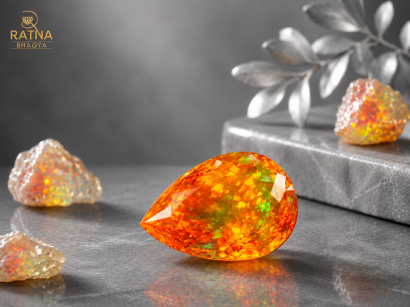
22 June
Fire Opal Gemstone: Beauty, Benefits, and Value
Among the world's most captivating gemstones, the Fire Opal stands out for its vibrant colors,...
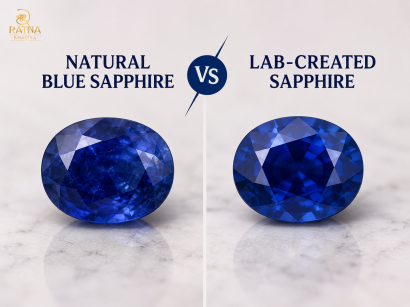
29 June
Natural Blue Sapphire vs Lab-Created Sapphire: What's the Difference?
Blue Sapphire is one of the world's most admired gemstones, prized for its rich blue...
5 August
How to Identify a Genuine Emerald Gemstone
Emerald is one of the world's most treasured gemstones, admired for its rich green color,...
11 August
Yellow Sapphire Ring Benefits: Why You Should Wear a Pukhraj Ring
Yellow Sapphire, popularly known as Pukhraj or Pushkaraj, is one of the most respected gemstones...