845, Ground Floor, Udyog Vihar Phase V, Sector 19, Gurugram, Haryana 122016
GET DIRECTION
Opal Gemstone Benefits: Astrology, Healing, and Symbolism
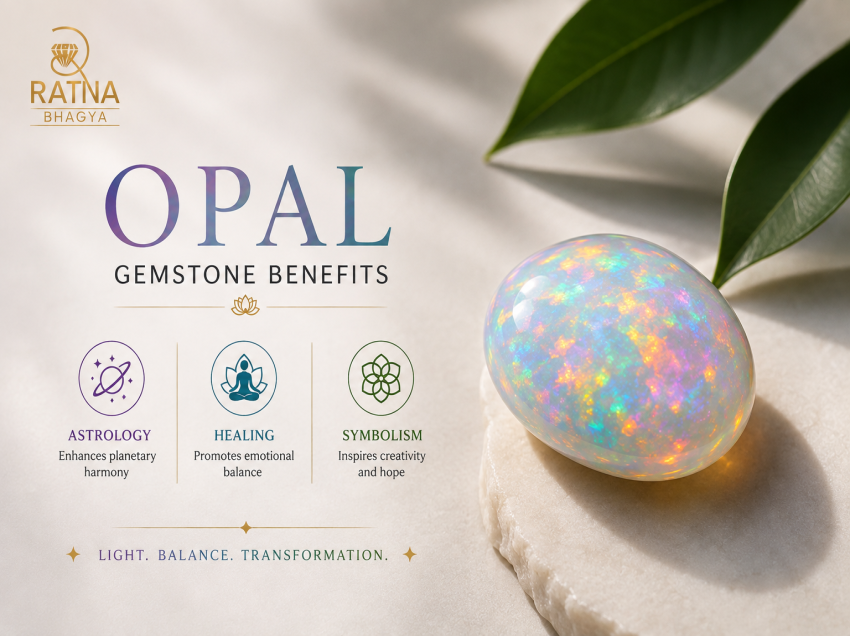
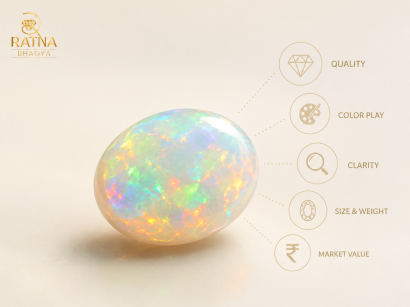
Opal gemstone is one of the most captivating gemstones in the world, celebrated for its mesmerizing play-of-color and unique appearance. Unlike most gemstones that display a relatively consistent color, Opal can reveal flashes of green, blue, red, orange, yellow, and other shades as it moves under light.
Beyond its beauty, Opal has a long history of cultural symbolism, spiritual beliefs, and astrological associations. In Vedic astrology, Opal is traditionally associated with Venus (Shukra) and is often considered a gemstone connected with love, beauty, creativity, luxury, and relationships.
But what are the actual benefits of wearing Opal? Are its healing properties scientifically proven? And how should you choose and care for an Opal gemstone?
This complete guide explores Opal gemstone benefits, astrological significance, traditional healing beliefs, symbolism, varieties, buying factors, and care tips.
Disclaimer: The astrological, spiritual, and healing properties discussed in this article are based on traditional beliefs and crystal-healing practices. There is no established scientific evidence that Opal can treat, prevent, or cure medical conditions or directly influence planetary forces.
What Is Opal Gemstone?
Opal is a unique hydrated amorphous form of silica. Unlike crystalline gemstones such as Ruby, Sapphire, and Emerald, Opal does not have a regular crystal structure.
One of Opal's most remarkable characteristics is its ability to display play-of-color.
This phenomenon occurs when microscopic silica spheres within certain Opals interact with light, producing flashes of different colors.
Depending on the stone, these flashes may include:
- Blue
- Green
- Yellow
- Orange
- Red
- Violet
The result is a gemstone that can appear dramatically different as it moves.
What Does Opal Symbolize?
Throughout history, Opal has been associated with various meanings.
Common symbolic associations include:
- Love
- Creativity
- Hope
- Inspiration
- Imagination
- Emotional expression
- Transformation
- Individuality
Because every Opal can have a distinctive pattern of color, it is also often regarded as a gemstone of uniqueness and self-expression.
Opal in Vedic Astrology
In Vedic astrology, Opal is traditionally associated with Venus (Shukra).
Venus is traditionally connected with:
- Love
- Romance
- Beauty
- Luxury
- Art
- Creativity
- Relationships
- Comfort
- Material pleasures
Because of this association, Opal is sometimes recommended as an alternative gemstone related to Venus, particularly when a person wants to incorporate Venus symbolism into jewelry.
Astrological recommendations traditionally depend on the individual's birth chart rather than simply their zodiac sign.
Opal Gemstone Benefits According to Astrology
1. Traditionally Associated With Love and Relationships
Venus is strongly connected with love and partnerships in Vedic astrology.
As a result, Opal is traditionally believed to support qualities associated with:
- Romance
- Affection
- Harmony
- Emotional expression
- Partnership
Some people choose Opal jewelry as a symbolic representation of love and connection.
2. Associated With Beauty and Luxury
Opal's association with Venus makes it a popular gemstone among people interested in beauty and luxury.
Traditional symbolism connects it with:
- Elegance
- Aesthetic appreciation
- Comfort
- Luxury
- Refinement
Its unique play-of-color also makes Opal particularly attractive for statement jewelry.
3. Traditionally Linked With Creativity
Venus is also associated with artistic expression, making Opal a popular gemstone among people interested in:
- Art
- Music
- Fashion
- Design
- Creativity
- Imagination
Traditionally, Opal is believed to encourage creative expression and individuality.
These associations are symbolic rather than scientifically established effects.
4. Associated With Confidence and Self-Expression
Opal's changing colors can make it a meaningful symbol of individuality.
Some spiritual traditions associate the gemstone with:
- Self-expression
- Confidence
- Emotional openness
- Personal creativity
- Authenticity
For many wearers, its meaning may simply serve as a personal reminder to embrace individuality.
5. Traditionally Connected With Prosperity
Because Venus is traditionally associated with luxury and material comforts, Opal is sometimes linked with prosperity and abundance.
Some astrological traditions associate it with:
- Financial comfort
- Professional creativity
- Luxury
- Opportunities
- Material well-being
However, there is no scientific evidence that wearing Opal directly attracts wealth.
Opal and Emotional Healing
Opal is often described in crystal-healing traditions as an emotionally supportive gemstone.
It is traditionally associated with:
- Emotional awareness
- Self-expression
- Inner balance
- Letting go
- Creativity
- Personal transformation
These beliefs can give Opal personal or spiritual meaning, but they should not be confused with medically proven treatment.
If someone feels calmer while wearing Opal, the experience may be connected to personal belief, symbolism, mindfulness, or other psychological factors rather than a measurable healing effect from the stone itself.
Opal and Physical Healing: What Does Science Say?
You may encounter claims that Opal can help with various physical conditions or improve bodily functions.
However, there is no reliable scientific evidence that wearing or carrying Opal can diagnose, prevent, or cure disease.
Opal should therefore be appreciated as:
- A gemstone
- A cultural symbol
- A piece of jewelry
- A personal spiritual object
rather than as a substitute for professional healthcare.
Opal and the Chakra System
In modern crystal and chakra practices, Opal may be associated with different chakras depending on its color and spiritual tradition.
For example:
- White Opal may be associated with spiritual awareness.
- Pink Opal may be connected with the Heart Chakra.
- Fire Opal may be associated with energy and creativity.
Chakra systems are spiritual frameworks and are not scientifically established medical systems.
Types of Opal
Opal occurs in many beautiful varieties.
White Opal
White or light-background Opal is one of the most familiar forms.
It may display colorful flashes against a pale body color.
Black Opal
Black Opal has a dark body tone that can provide dramatic contrast with its play-of-color.
Fine Black Opal can be highly valuable.
Boulder Opal
Boulder Opal contains Opal material naturally attached to or occurring within ironstone.
It is especially associated with Australia.
Fire Opal
Fire Opal is known for its body colors ranging from:
- Yellow
- Orange
- Red
Some Fire Opals display play-of-color, while others are valued primarily for their vivid body color.
Pink Opal
Pink Opal is typically valued for its soft pink appearance and is popular in modern spiritual and fashion jewelry.
What Makes Opal Valuable?
Opal value depends on several factors.
1. Play-of-Color
For precious Opal, play-of-color is one of the most important characteristics.
Look for:
- Strong color flashes
- Multiple colors
- Attractive patterns
- Good movement of color
- Brightness
Red flashes can be particularly prized, although the overall pattern and quality matter.
2. Body Tone
The body tone of an Opal can range from light to dark.
Black Opal generally has a darker body tone, while White Opal has a light body tone.
3. Pattern
The pattern of the play-of-color can significantly influence appearance and value.
Patterns can include:
- Broad flashes
- Pinfire
- Harlequin
- Ribbon
- Rolling flashes
Distinctive patterns can make individual stones especially attractive.
4. Brightness
Brightness refers to the intensity with which the colors appear.
A bright, lively Opal can be much more visually appealing than one with weak or dull color play.
5. Size and Shape
Larger Opals with excellent color and quality can command higher prices.
However, size alone does not determine value.
Natural Opal vs Synthetic Opal
When purchasing Opal, it is important to understand what you're buying.
Natural Opal
Naturally formed through geological processes.
Synthetic Opal
Laboratory-created material designed to reproduce characteristics of natural Opal.
Imitation Opal
A different material made to resemble Opal.
There are also Opal products such as doublets and triplets, which consist of multiple layers and should be disclosed by the seller.
For a valuable Opal, ask for clear information about its construction and origin.
Why Opal Certification Matters
A professional gemstone report can help establish important information about an Opal.
Depending on the laboratory, the report may identify:
- Natural or synthetic status
- Type of Opal
- Treatments or enhancements
- Construction, where relevant
- Weight and measurements
- Other identifying characteristics
Certification is especially useful when purchasing a rare or expensive Opal.
How to Wear Opal According to Astrology
Traditional Vedic astrology commonly associates Opal with:
- Planet: Venus (Shukra)
- Metal: Silver, white gold, or platinum
- Finger: Ring finger
- Day: Friday
However, astrological practices vary, and recommendations may depend on the individual's birth chart.
If you're wearing Opal specifically for astrological purposes, consult a qualified astrologer rather than following a generic recommendation.
Who Should Wear Opal?
According to traditional astrology, Opal may be recommended when Venus is considered favorable or when strengthening Venus is considered appropriate in an individual's horoscope.
An astrologer may examine:
- Ascendant
- Venus placement
- Venus strength
- Houses ruled by Venus
- Planetary aspects
- Current planetary periods
Therefore, simply wearing Opal because you like its color is different from wearing it as an astrological gemstone.
Opal vs Diamond: Which Is Better for Venus?
Both Opal and Diamond are traditionally associated with Venus in different gemstone traditions.
However, they are very different gemstones.
| Feature | Opal | Diamond |
|---|---|---|
| Composition | Hydrated silica | Carbon |
| Structure | Amorphous | Crystalline |
| Hardness | Generally around 5.5–6.5 | 10 |
| Appearance | Often displays play-of-color | Known for brilliance and fire |
| Durability | Requires more care | Highly durable |
| Venus association | Traditional | Traditional |
If choosing between them, consider both your astrological beliefs and practical jewelry requirements.
Is Opal Suitable for Everyday Wear?
Opal can be worn regularly, but it requires more care than harder gemstones.
Its relatively low hardness and internal structure make it more vulnerable to:
- Scratches
- Chips
- Abrasion
- Sudden temperature changes
For everyday wear, Opal pendants and earrings can be easier to protect than rings.
If you wear an Opal ring daily, avoid activities where the gemstone could receive strong impact.
How to Care for Opal Jewelry
Proper care is essential to preserve an Opal's appearance.
Use Gentle Cleaning
Clean Opal using:
- Mild soapy water
- Lukewarm water
- Soft cloth
Dry it gently afterward.
Avoid Harsh Chemicals
Keep Opal away from:
- Strong cleaning chemicals
- Abrasive materials
- Perfumes
- Household chemicals
Avoid Extreme Temperature Changes
Sudden temperature changes can potentially damage certain Opals.
Store Separately
Because Opal is softer than Diamond, Ruby, and Sapphire, store it separately to prevent scratches.
Be Careful With Doublets and Triplets
These composite Opals can be particularly sensitive to prolonged exposure to water or improper cleaning, depending on their construction.
Common Myths About Opal
Myth 1: Opal Always Brings Bad Luck
This is a famous historical superstition, but there is no scientific evidence that Opal causes bad luck.
In fact, many cultures have regarded Opal as a symbol of good fortune, creativity, and beauty.
Myth 2: Opal Has Guaranteed Healing Powers
There is no scientific evidence that Opal can cure physical or mental health conditions.
Its healing associations belong to traditional and spiritual practices.
Myth 3: Every Opal Has a Strong Play-of-Color
Not every Opal displays dramatic play-of-color.
Some Opals are valued primarily for their body color, pattern, or other characteristics.
Myth 4: All Opals Are Fragile and Cannot Be Worn
Opals can certainly be worn as jewelry. They simply require more careful handling than harder gemstones.
Common Mistakes When Buying Opal
Choosing Only by Size
A large Opal isn't necessarily better than a smaller stone with exceptional color play.
Ignoring Construction
Always ask whether the Opal is:
- Solid
- Doublet
- Triplet
Ignoring Treatments
Ask whether the stone has undergone any treatment or enhancement.
Buying Without Documentation
For expensive Opals, professional certification can provide additional confidence.
Believing Guaranteed Astrological Results
No gemstone can scientifically guarantee wealth, relationship success, health, or other life outcomes.
Frequently Asked Questions (FAQs)
What are the benefits of Opal gemstone?
Traditionally, Opal is associated with love, creativity, beauty, emotional expression, prosperity, and harmony. These benefits come from astrological and cultural beliefs rather than scientific evidence.
Which planet is associated with Opal?
In Vedic astrology, Opal is traditionally associated with Venus (Shukra).
Who should wear Opal?
According to traditional Vedic astrology, Opal may be recommended based on the individual's birth chart and the position of Venus.
Can Opal really improve relationships?
Opal is traditionally associated with love and harmony, but there is no scientific evidence that the gemstone itself directly improves relationships.
Is Opal good for everyday wear?
Yes, but it requires more care than harder gemstones. Opal jewelry should be protected from scratches, impacts, harsh chemicals, and sudden temperature changes.
Is Opal a rare gemstone?
Some varieties and qualities of Opal can be rare and highly valuable, particularly fine Black Opal with exceptional play-of-color.
Is Australian Opal better?
Australia is one of the world's most important Opal sources and produces many famous varieties. However, quality depends on the individual gemstone rather than origin alone.
Does Opal bring good luck or bad luck?
Different cultures have associated Opal with both good and bad fortune. There is no scientific evidence that Opal itself causes either.
Conclusion
Opal gemstone stands apart from almost every other gemstone because of its extraordinary play-of-color and individuality. No two Opals necessarily look exactly alike, making each stone feel uniquely personal.
In traditional Vedic astrology, Opal is associated with Venus (Shukra) and is believed to symbolize love, beauty, creativity, luxury, harmony, and prosperity. Crystal-healing traditions also connect Opal with emotional expression, inspiration, and transformation.
From a scientific perspective, however, these healing and astrological effects have not been established. What science can explain is Opal's fascinating silica composition, internal structure, optical behavior, formation, and physical properties.
If you're buying Opal, focus on the things that can be evaluated objectively: play-of-color, brightness, body tone, pattern, transparency, construction, treatment, durability, and certification.
Whether you choose Opal because of its astrological symbolism or simply because you love its spectacular colors, it remains one of the most distinctive and fascinating gemstones available today.
Share this post:
You Might Also Be Interested In
Discover more insightful articles related to this topic to deepen your gemstone knowledge.
12 June
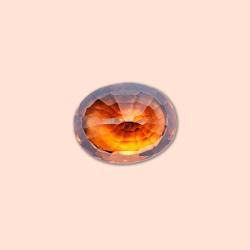
Hessonite Gemstone Benefits: Why Astrologers Recommend Gomed Stone
Gemstones have played an important role in astrology and spiritual traditions for centuries. Among these...
22 April
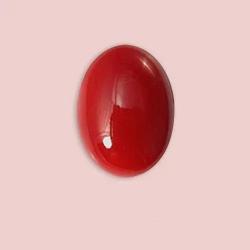
The Symbolism of Ruby Gemstone
There are various beneficial gemstones, yet none of them can be termed Supreme. Ruby has...
22 April
Winter 2022 Jewellery Trends
The weather may be dreadful outside, but that's no excuse to be depressed! Nothing lifts...
22 April
Are you worried about your marriage? Your difficulty will be solved by Yellow Sapphire
The yellow sapphire stone (Pukhraj) is one of the most powerful jewels. It is regarded...
13 July
Can Gemstones Really Influence Your Life? Exploring Astrology's Perspective
For thousands of years, gemstones have been treasured not only for their beauty but also...
12 August
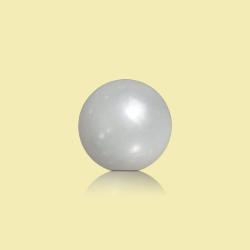
Pearl Stone Meaning: Symbolism, Beauty, and Spiritual Significance
Pearls have captivated people for centuries with their soft luster, natural elegance, and timeless beauty....