845, Ground Floor, Udyog Vihar Phase V, Sector 19, Gurugram, Haryana 122016
GET DIRECTION
Diamond Buying Guide for Beginners

Buying a diamond for the first time can feel overwhelming. With terms like cut, clarity, carat, color, certification, and countless options available, it's easy to become confused. Whether you're shopping for an engagement ring, a special gift, or a personal investment, understanding the basics will help you choose a diamond that fits both your preferences and your budget.
This beginner-friendly guide explains everything you need to know before buying a diamond, including the famous 4Cs, certification, diamond shapes, pricing factors, and practical buying tips.
Why Buying a Diamond Requires Research
Diamonds are often one of the most valuable purchases people make. Since no two diamonds are exactly alike, even stones of similar size can vary significantly in quality and price.
By learning the key factors that determine a diamond's value, you'll be able to:
- Compare diamonds confidently
- Understand pricing differences
- Avoid common buying mistakes
- Choose the best diamond within your budget
What Is a Diamond?
A diamond is a naturally occurring gemstone made entirely of carbon atoms arranged in a crystal structure. It is the hardest natural material on Earth, scoring 10 on the Mohs Hardness Scale, making it ideal for everyday jewelry.
Diamonds are prized for their:
- Exceptional brilliance
- Durability
- Rarity
- Timeless appeal
Today, diamonds are available in both natural and laboratory-grown varieties.
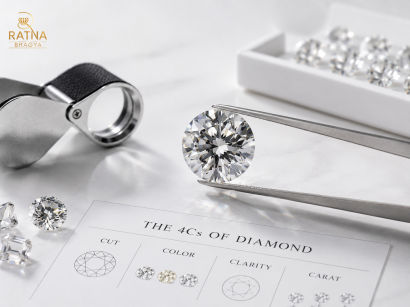
The 4Cs of Diamond Quality
The 4Cs are the internationally accepted standards for evaluating diamonds.
1. Cut
Cut refers to how well a diamond has been shaped and faceted.
A well-cut diamond reflects light efficiently, producing:
- Brilliance
- Fire (rainbow flashes)
- Sparkle
Common cut grades include:
- Excellent
- Very Good
- Good
- Fair
- Poor
For most buyers, cut is considered the most important factor because it has the greatest impact on a diamond's appearance.
2. Color
Most white diamonds are graded on how colorless they are.
The standard color scale ranges from:
| Grade | Description |
|---|---|
| D | Completely Colorless |
| E–F | Colorless |
| G–H | Near Colorless |
| I–J | Slight Warm Tint |
| K–M | Faint Color |
For excellent value, many buyers choose G–H color diamonds because they appear nearly colorless to the naked eye.
3. Clarity
Clarity measures the presence of natural inclusions (internal features) and blemishes (surface characteristics).
Common clarity grades include:
- FL – Flawless
- IF – Internally Flawless
- VVS1–VVS2 – Very, Very Slightly Included
- VS1–VS2 – Very Slightly Included
- SI1–SI2 – Slightly Included
- I1–I3 – Included
Many VS and SI diamonds appear eye-clean, meaning imperfections cannot be seen without magnification.
4. Carat Weight
Carat measures a diamond's weight.
- 1 carat = 200 milligrams
- 0.50 carat = Half carat
- 2 carats = Two full carats
Larger diamonds are generally rarer and more expensive.
Remember, a larger carat weight does not always mean a more beautiful diamond. Cut quality often has a greater influence on appearance.
Choose the Right Diamond Shape
Shape refers to the outline of the diamond.
Popular shapes include:
Round Brilliant
The most popular choice, known for maximum sparkle.
Princess
A modern square-shaped diamond with excellent brilliance.
Oval
Creates the illusion of longer fingers and often appears larger than a round diamond of the same carat weight.
Cushion
Features rounded corners and a soft, vintage-inspired look.
Emerald
Known for its elegant step-cut facets and sophisticated appearance.
Pear
A teardrop-shaped diamond that combines elegance with uniqueness.
Marquise
Its elongated shape can make the diamond appear larger than its actual carat weight.
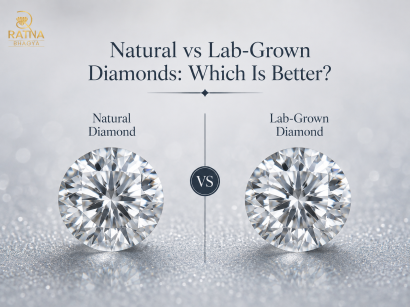
Natural vs Lab-Grown Diamonds
Natural Diamonds
- Form naturally over billions of years
- Rare
- Higher resale value in many markets
- Typically more expensive
Lab-Grown Diamonds
- Created in laboratories
- Same chemical composition as natural diamonds
- More affordable
- Environment and sustainability discussions vary depending on production methods and mining practices
Choose the option that best matches your priorities, whether rarity, budget, or origin.
Importance of Diamond Certification
Always buy a certified diamond.
A grading report provides independent information about:
- Carat weight
- Cut
- Color
- Clarity
- Measurements
- Fluorescence (if applicable)
Certification helps you compare diamonds objectively and reduces the risk of misrepresentation.
Understanding Diamond Pricing
Diamond prices are influenced by:
- Cut quality
- Color grade
- Clarity grade
- Carat weight
- Shape
- Certification
- Market demand
Two diamonds with the same carat weight may have very different prices depending on these factors.
Setting a Budget
Before shopping, determine how much you're comfortable spending.
Remember:
- Bigger isn't always better.
- A well-cut smaller diamond may look more brilliant than a larger, poorly cut one.
- Balance quality and budget rather than focusing on a single feature.
Tips for First-Time Diamond Buyers
Prioritize Cut
A superior cut often provides the greatest visual impact.
Don't Overpay for Invisible Perfection
Many near-colorless diamonds with VS or SI clarity look flawless without magnification.
Compare Multiple Diamonds
View several certified diamonds before making your decision.
Buy from Reputable Jewelers
Choose retailers who:
- Offer certification
- Clearly disclose treatments or enhancements
- Have transparent return policies
- Provide customer support
Consider Lifestyle
If the jewelry will be worn daily, select a durable setting that protects the diamond.
Common Mistakes to Avoid
Avoid these beginner mistakes:
- Buying without certification
- Focusing only on carat weight
- Ignoring cut quality
- Choosing solely based on price
- Not comparing different diamonds
- Overlooking the quality of the jewelry setting
How to Care for Your Diamond Jewelry
Proper care helps maintain a diamond's brilliance.
Cleaning Tips
- Wash with lukewarm water and mild soap.
- Use a soft toothbrush to remove dirt.
- Dry with a lint-free cloth.
Avoid
- Harsh chemicals
- Abrasive cleaners
- Wearing jewelry during heavy manual work
Professional Inspection
Have your jewelry checked periodically to ensure the setting remains secure.
Frequently Asked Questions (FAQs)
What is the most important factor when buying a diamond?
Most experts consider cut the most important factor because it has the greatest influence on sparkle and brilliance.
Is a bigger diamond always better?
Not necessarily. A smaller diamond with excellent cut quality may appear more attractive than a larger diamond with poor proportions.
Should I buy a certified diamond?
Yes. Certification provides independent verification of the diamond's quality and characteristics.
Are lab-grown diamonds real?
Yes. Lab-grown diamonds have the same chemical composition and crystal structure as natural diamonds, but they are created in a laboratory.
Which diamond shape sparkles the most?
The Round Brilliant cut is generally regarded as offering the highest level of sparkle due to its facet arrangement.
Conclusion
Buying your first diamond doesn't have to be complicated. By understanding the 4Cs—Cut, Color, Clarity, and Carat Weight—along with certification, shape, and pricing, you can make an informed purchase that suits your style and budget.
Whether you choose a natural or lab-grown diamond, the key is to prioritize quality, purchase from a trusted jeweler, and select a certified stone that meets your needs. With the right knowledge, you'll be well-equipped to find a diamond that is both beautiful and a lasting symbol of your special moments.
Share this post:
You Might Also Be Interested In
Discover more insightful articles related to this topic to deepen your gemstone knowledge.
11 April
Katrina Kaif's Diamond Blue Sapphire Engagement Ring
Celebrities and their marriages have always attracted a large number of viewers. After all, it's...
28 March
Understanding Vedic Astrology And Its Relation With Gemstones
The study of the motions and relative locations of celestial bodies throughout the sky, as...
24 August
Blue Sapphire Benefits: Myth, Astrology, and Reality
Blue Sapphire, traditionally known as Neelam Stone, is one of the world's most famous and...
21 August
Why Green Is the Most Popular Emerald Gemstone Color
When people hear the word Emerald, the first image that usually comes to mind is...
9 March
10 Most Valuable Gemstones in The World
Each Valuable gemstones are novel in its own specific manner. However, which of the numerous...
31 August
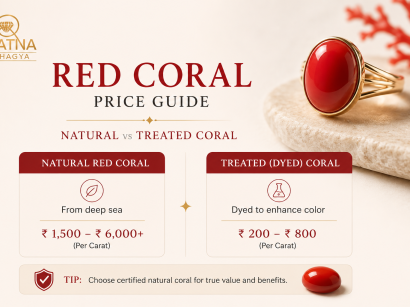
Red Coral Gemstone Price Guide: Natural vs Treated Coral
Red Coral, popularly known as Moonga Stone, is one of the most distinctive organic gemstones...