845, Ground Floor, Udyog Vihar Phase V, Sector 19, Gurugram, Haryana 122016
GET DIRECTION
How Diamonds Are Graded: Understanding the 4Cs
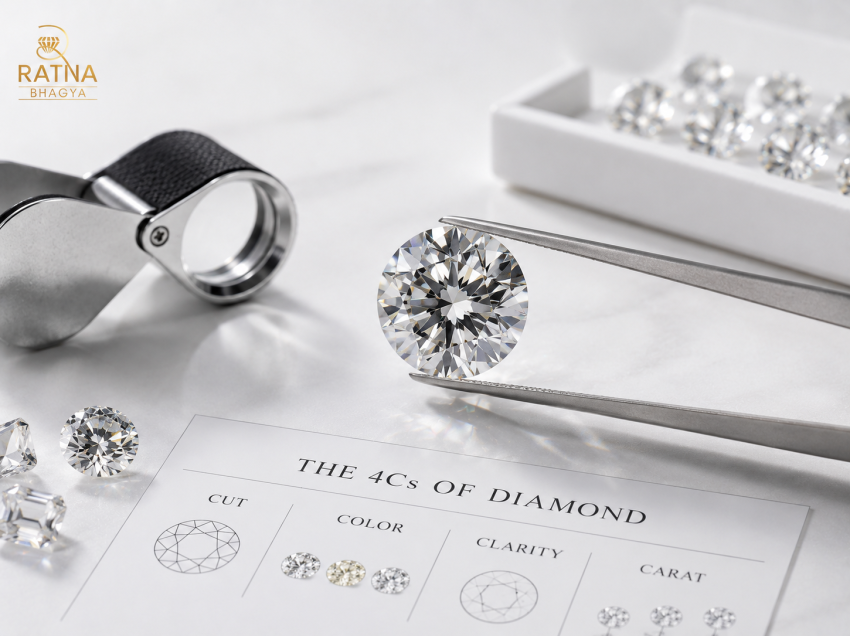
Diamonds are among the most sought-after gemstones in the world, admired for their brilliance, durability, and timeless beauty. However, not all diamonds are created equal. Two diamonds may appear similar at first glance but differ significantly in quality and value. To help buyers make informed decisions, the diamond industry uses a standardized grading system known as the 4Cs.
The 4Cs—Cut, Color, Clarity, and Carat Weight—form the foundation of diamond grading and determine a diamond's overall quality and market value. Whether you're shopping for an engagement ring, investing in diamonds, or simply learning about gemstones, understanding the 4Cs is essential.
What Are the 4Cs of Diamond Grading?
The 4Cs were developed by the Gemological Institute of America (GIA) to create a universal standard for evaluating diamonds.
The four grading factors are:
- Cut
- Color
- Clarity
- Carat Weight
Each factor contributes to a diamond's appearance, rarity, and price.
1. Cut: The Most Important Factor
Many buyers assume a diamond's sparkle comes naturally, but a diamond's brilliance depends largely on its cut.
What Is Diamond Cut?
Cut refers to how well a diamond has been shaped and faceted from its rough crystal.
A well-cut diamond reflects light efficiently, creating:
- Brightness
- Fire (colored light flashes)
- Scintillation (sparkle)
Even a diamond with excellent color and clarity can appear dull if it is poorly cut.
Diamond Cut Grades
Common cut grades include:
- Excellent
- Very Good
- Good
- Fair
- Poor
Diamonds with Excellent or Very Good cut grades generally offer the best visual performance.
Why Cut Matters
A superior cut:
✔ Maximizes brilliance
✔ Enhances sparkle
✔ Makes the diamond appear more attractive
For many experts, cut is the most important of the 4Cs.
2. Color: Measuring the Absence of Color
Most diamonds are graded based on how colorless they appear.
Diamond Color Scale
The standard grading scale ranges from:
| Grade | Description |
|---|---|
| D | Completely Colorless |
| E-F | Near Colorless |
| G-H | Slightly Colorless |
| I-J | Near Colorless with Slight Tint |
| K-M | Faint Color |
| N-R | Very Light Color |
| S-Z | Light Color |
Which Color Grade Is Best?
D-grade diamonds are the rarest and most valuable because they contain virtually no visible color.
However, many buyers choose G-H diamonds because they appear nearly colorless while offering better value.
Fancy Colored Diamonds
Not all diamond color is undesirable.
Naturally occurring fancy-colored diamonds can appear in:
- Pink
- Blue
- Yellow
- Green
- Orange
These rare diamonds may command exceptionally high prices.
3. Clarity: Evaluating Internal and External Characteristics
Clarity measures the presence of natural imperfections within or on the surface of a diamond.
Common Diamond Characteristics
Internal features are called:
- Inclusions
Surface features are called:
- Blemishes
Most diamonds contain some natural characteristics formed during their creation.
Diamond Clarity Grades
The standard clarity scale includes:
| Grade | Meaning |
|---|---|
| FL | Flawless |
| IF | Internally Flawless |
| VVS1-VVS2 | Very Very Slightly Included |
| VS1-VS2 | Very Slightly Included |
| SI1-SI2 | Slightly Included |
| I1-I3 | Included |
Does Higher Clarity Always Matter?
Not necessarily.
Many VS and SI diamonds appear "eye-clean," meaning imperfections are not visible without magnification.
For most buyers, these grades offer excellent value.
4. Carat Weight: Measuring Diamond Size
Carat refers to a diamond's weight rather than its physical dimensions.
Understanding Carat Weight
- 1 carat = 200 milligrams
- 0.50 carat = half a carat
- 2 carats = two full carats
Larger diamonds are generally rarer and more expensive.
Carat vs Size
Two diamonds with identical carat weights may appear different in size depending on:
- Cut quality
- Shape
- Proportions
This is why carat should not be evaluated alone.
How the 4Cs Work Together
A diamond's value depends on the combination of all four factors.
For example:
Diamond A
- Excellent Cut
- G Color
- VS1 Clarity
- 1 Carat
Diamond B
- Good Cut
- D Color
- FL Clarity
- 1 Carat
Although Diamond B has better color and clarity, Diamond A may appear more brilliant due to its superior cut.
This demonstrates why evaluating all 4Cs together is important.
Diamond Certification and Grading Reports
When purchasing a diamond, always request certification from a recognized gemological laboratory.
A grading report typically includes:
- Cut grade
- Color grade
- Clarity grade
- Carat weight
- Measurements
- Proportion information
Certification provides confidence in the diamond's authenticity and quality.
Tips for Buying a Diamond
Prioritize Cut Quality
A well-cut diamond often appears more beautiful than a larger diamond with poor cut quality.
Balance the 4Cs
Consider trade-offs between:
- Color
- Clarity
- Size
- Budget
Choose Certification
Always buy certified diamonds from reputable sellers.
Consider Eye-Clean Clarity
VS and SI grades may offer excellent value without visible imperfections.
Compare Multiple Stones
Review several diamonds before making a final decision.
Common Diamond Shapes
While grading focuses on the 4Cs, shape also affects appearance.
Popular diamond shapes include:
- Round Brilliant
- Princess
- Oval
- Cushion
- Emerald Cut
- Pear
- Marquise
- Radiant
Round brilliant diamonds are typically known for maximum sparkle.
Frequently Asked Questions (FAQs)
What are the 4Cs of diamonds?
The 4Cs are Cut, Color, Clarity, and Carat Weight—the primary factors used to grade diamond quality.
Which of the 4Cs is most important?
Many experts consider Cut the most important because it has the greatest impact on brilliance and sparkle.
What is the best diamond color grade?
D is the highest color grade and represents a completely colorless diamond.
What does carat mean?
Carat is the unit used to measure a diamond's weight.
Should I buy a certified diamond?
Yes. Certification provides independent verification of the diamond's quality and characteristics.
Conclusion
Understanding the 4Cs of diamond grading is the key to making an informed and confident diamond purchase. Cut, Color, Clarity, and Carat Weight each play an important role in determining a diamond's beauty, rarity, and value.
Rather than focusing on a single factor, buyers should evaluate all four characteristics together to find the best balance between quality and budget. Whether you're purchasing an engagement ring, investing in gemstones, or expanding your jewelry collection, knowledge of the 4Cs will help you choose a diamond that truly shines.
Share this post:
You Might Also Be Interested In
Discover more insightful articles related to this topic to deepen your gemstone knowledge.
12 June
Hessonite Gemstone Benefits: Why Astrologers Recommend Gomed Stone
Gemstones have played an important role in astrology and spiritual traditions for centuries. Among these...
11 April
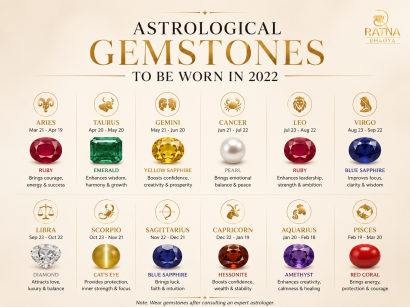
Astrological Gemstones to Be Worn In 2022
The coolest nights and warmest breaths of the year have a lot to offer at...
29 June
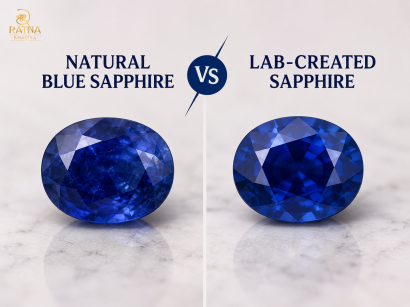
Natural Blue Sapphire vs Lab-Created Sapphire: What's the Difference?
Blue Sapphire is one of the world's most admired gemstones, prized for its rich blue...
15 June
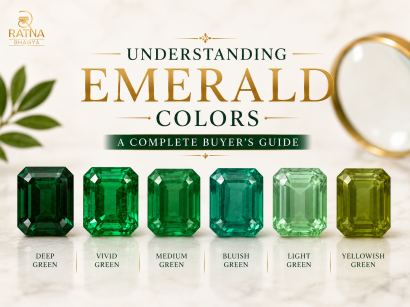
Understanding Emerald Colors: A Complete Buyer's Guide
Emeralds have captivated gemstone lovers for centuries with their rich green beauty and timeless elegance....
11 June
Complete Guide to Gemstones in Astrology
IntroductionGemstones have been an integral part of Vedic astrology for centuries. According to astrological beliefs,...
1 April
FREQUENTLY ASKED QUESTIONS ABOUT YELLOW SAPPHIRE
What Is Yellow Sapphire? A yellow sapphire is a form of corundum mineral that is...