845, Ground Floor, Udyog Vihar Phase V, Sector 19, Gurugram, Haryana 122016
GET DIRECTION
Natural Blue Sapphire vs Lab-Created Sapphire: What's the Difference?
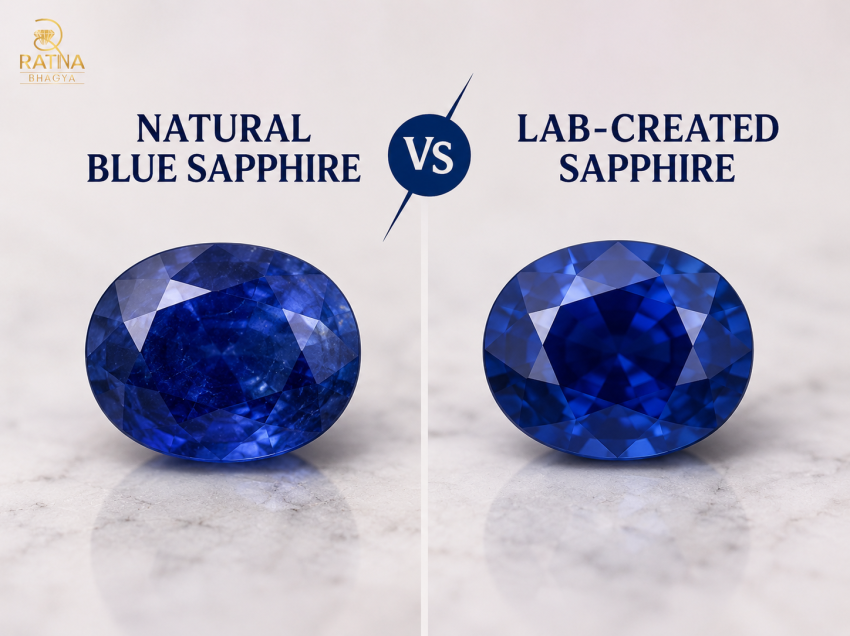
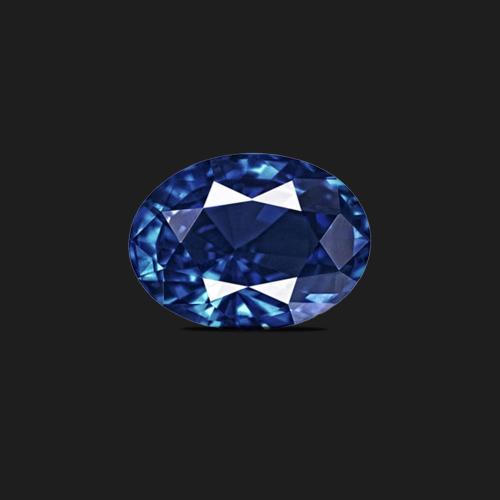
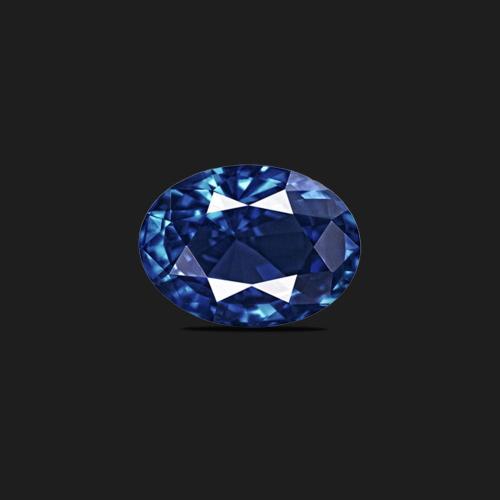
Blue Sapphire is one of the world's most admired gemstones, prized for its rich blue color, exceptional durability, and timeless elegance. Whether you're buying a sapphire for an engagement ring, investment, or astrological purposes, you'll likely encounter two options: Natural Blue Sapphire and Lab-Created Sapphire.
Although they may look almost identical to the naked eye, these gemstones differ in their origin, rarity, value, and market appeal. Understanding these differences can help you choose the sapphire that best suits your budget and purpose.
What Is a Natural Blue Sapphire?
A Natural Blue Sapphire is a gemstone that forms naturally beneath the Earth's surface over millions of years. It belongs to the corundum mineral family and gets its blue color from trace amounts of iron and titanium.
After mining, natural sapphires are cut and polished before being used in jewelry.
Key Characteristics
- Formed naturally over millions of years
- Each stone has unique natural inclusions
- Available in various shades of blue
- Rare compared to lab-created sapphires
- Often higher in value
Natural sapphires are sourced from countries such as:
- Sri Lanka (Ceylon)
- Kashmir (India)
- Myanmar (Burma)
- Madagascar
- Thailand
- Australia
What Is a Lab-Created Sapphire?
A Lab-Created Sapphire, also known as a synthetic sapphire, is produced in a laboratory using advanced technology that replicates the natural crystal growth process.
Although laboratory-created sapphires are man-made, they have the same chemical composition, crystal structure, and physical properties as natural sapphires.
Key Characteristics
- Created in controlled laboratory conditions
- Same mineral composition as natural sapphire
- Usually has fewer inclusions
- More affordable
- Widely available
Natural vs Lab-Created Sapphire: Comparison
| Feature | Natural Blue Sapphire | Lab-Created Sapphire |
|---|---|---|
| Formation | Naturally formed over millions of years | Grown in a laboratory |
| Chemical Composition | Corundum (Al₂O₃) | Corundum (Al₂O₃) |
| Crystal Structure | Natural | Identical to natural |
| Appearance | May contain natural inclusions | Often cleaner and more uniform |
| Rarity | Rare | Easily produced |
| Price | Generally more expensive | More affordable |
| Investment Value | Higher potential due to rarity | Usually lower resale value |
| Astrological Preference | Traditionally preferred | Generally not recommended in traditional Vedic astrology |
Appearance: Can You Tell the Difference?
To the naked eye, distinguishing a natural sapphire from a lab-created one is often very difficult.
Natural Blue Sapphire
May display:
- Natural inclusions
- Color zoning
- Slight variations in color
- Unique growth patterns
Lab-Created Sapphire
Often appears:
- Extremely clean
- Highly transparent
- Uniform in color
- Nearly flawless
Only professional gemological testing can reliably determine whether a sapphire is natural or laboratory-created.
Durability
Both natural and lab-created sapphires score 9 on the Mohs Hardness Scale, making them one of the hardest gemstones after diamonds.
This means both are:
- Scratch-resistant
- Suitable for everyday wear
- Excellent choices for rings and bracelets
In terms of durability, there is virtually no difference between the two.
Price Comparison
One of the biggest differences is cost.
Natural Blue Sapphire
Prices depend on:
- Origin
- Color
- Clarity
- Size
- Treatments
- Rarity
Fine-quality natural sapphires can range from hundreds to thousands of dollars per carat, with exceptional stones commanding much higher prices.
Lab-Created Sapphire
Lab-created sapphires generally cost significantly less because they can be produced in larger quantities under controlled conditions.
This makes them an attractive option for buyers seeking the appearance of a sapphire at a more affordable price.
Investment Value
Natural Blue Sapphires are generally considered more desirable for long-term collecting because of their rarity and natural origin.
Lab-created sapphires, while beautiful and durable, are typically not viewed as investment gemstones because they can be manufactured in large quantities.
Astrological Perspective
In Vedic astrology, Blue Sapphire (Neelam) is associated with Saturn (Shani).
Traditionally:
- Natural, untreated Blue Sapphires are generally preferred for astrological purposes.
- Lab-created sapphires are generally not recommended by many Vedic astrologers because they are not naturally formed.
These recommendations are based on astrological beliefs rather than scientific evidence. If you're considering a sapphire for astrological reasons, consult a qualified astrologer before making a decision.
How to Identify a Natural Sapphire
While visual inspection can offer clues, professional testing is the most reliable method.
Look for Natural Inclusions
Most natural sapphires contain small internal characteristics formed during their geological growth.
Check for Color Zoning
Natural sapphires may display subtle variations in color, unlike the often-uniform appearance of lab-created stones.
Request Certification
Always ask for a gemstone certificate from a recognized gemological laboratory. A certificate can confirm:
- Natural or lab-created origin
- Treatments (such as heat treatment)
- Weight and measurements
- Color and other quality characteristics
Buy from Reputable Dealers
Choose trusted gemstone sellers who clearly disclose whether a stone is natural or lab-created.
Which One Should You Choose?
Choose a Natural Blue Sapphire If:
- You appreciate naturally formed gemstones.
- You're interested in rarity and long-term value.
- You're purchasing a gemstone for astrological purposes.
- You want a unique stone with natural characteristics.
Choose a Lab-Created Sapphire If:
- You're working within a budget.
- You want a gemstone with excellent clarity.
- You're purchasing for fashion jewelry.
- You're looking for the appearance and durability of sapphire at a lower cost.
Frequently Asked Questions (FAQs)
Is a lab-created sapphire a real sapphire?
Yes. A lab-created sapphire has the same chemical composition and crystal structure as a natural sapphire but is grown in a laboratory.
Can you tell the difference by looking?
Usually not. Professional gemological testing is typically required to distinguish a natural sapphire from a lab-created one.
Which is more valuable?
Natural Blue Sapphires are generally more valuable because of their rarity and natural origin.
Are lab-created sapphires durable?
Yes. They have the same hardness and durability as natural sapphires, making them suitable for everyday wear.
Which sapphire is recommended for astrology?
According to traditional Vedic astrology, natural Blue Sapphires are generally preferred over lab-created stones. This preference is based on astrological traditions rather than scientific evidence.
Conclusion
Both natural and lab-created Blue Sapphires offer remarkable beauty, durability, and elegance. The right choice depends on your priorities.
If you value rarity, natural origin, and traditional astrological significance, a certified natural Blue Sapphire may be the better option. On the other hand, if affordability, flawless appearance, and everyday wear are your main concerns, a lab-created sapphire provides excellent value.
Whichever option you choose, always purchase from a reputable seller and request a gemstone certification to ensure transparency regarding the stone's origin and any treatments it may have undergone.
Share this post:
You Might Also Be Interested In
Discover more insightful articles related to this topic to deepen your gemstone knowledge.
12 May
In how many Years I should Update Red Coral
In astrology, red coral gemstone are associated with Mars. The `navaratna` ring, with all nine...
12 April
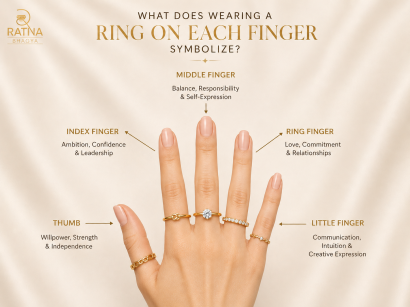
What does wearing a ring on each finger symbolize?
Rings are worn by people all around the world in various patterns and styles. The...

11 April
Katrina Kaif's Diamond Blue Sapphire Engagement Ring
Celebrities and their marriages have always attracted a large number of viewers. After all, it's...
12 June
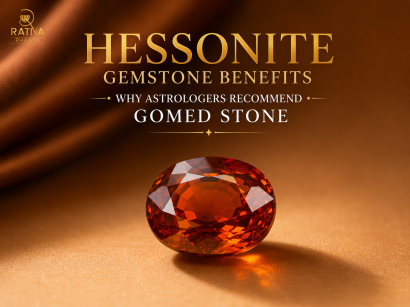
Hessonite Gemstone Benefits: Why Astrologers Recommend Gomed Stone
Gemstones have played an important role in astrology and spiritual traditions for centuries. Among these...
13 April
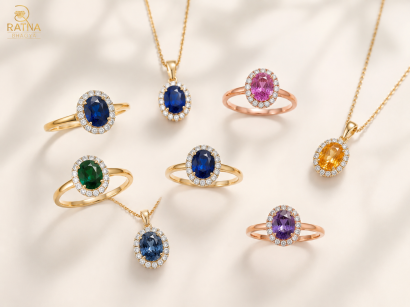
Different Colour Varieties of Sapphire Jewellery
Sapphires are regarded as one of the most valuable gemstones on the planet. Since their...
1 July
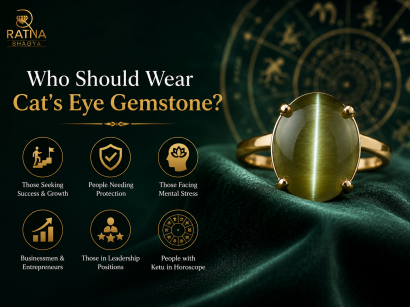
Who Should Wear Cat's Eye Gemstone?
The Cat's Eye gemstone, popularly known as Lehsunia or Vaidurya, is one of the most...