845, Ground Floor, Udyog Vihar Phase V, Sector 19, Gurugram, Haryana 122016
GET DIRECTION
Blue Sapphire Benefits: Myth, Astrology, and Reality
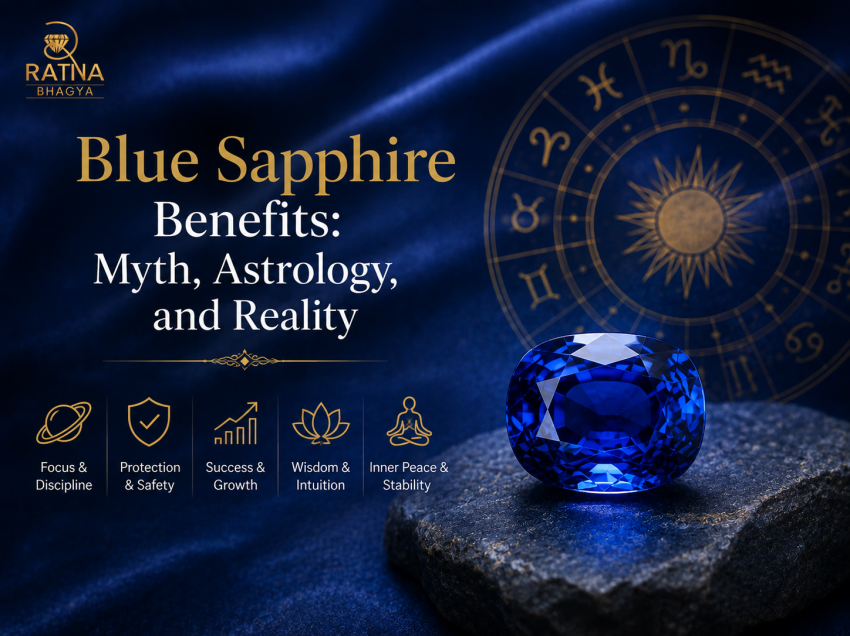
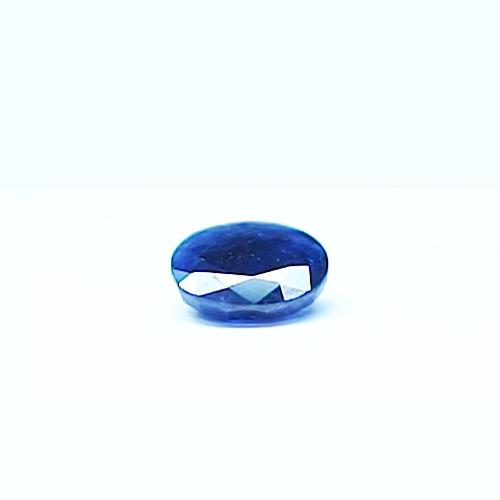
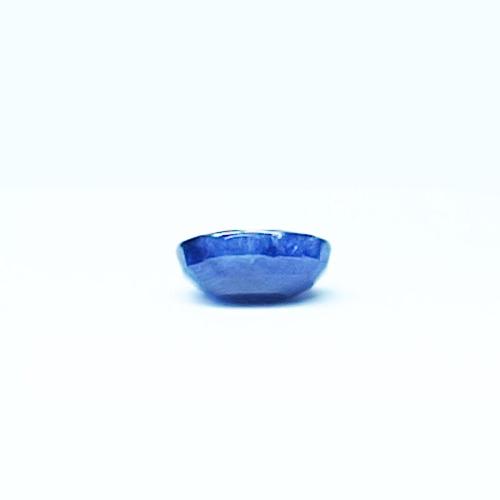
Blue Sapphire, traditionally known as Neelam Stone, is one of the world's most famous and fascinating gemstones. Its deep blue color, exceptional durability, rarity, and strong association with Saturn (Shani) have given it a powerful reputation in Vedic astrology.
For centuries, people have believed that Blue Sapphire can influence areas such as discipline, career, prosperity, protection, and personal transformation. At the same time, some popular stories describe Neelam as a "fast-acting" gemstone that can bring dramatic changes—both positive and negative.
But what is actually true?
This guide explores Blue Sapphire benefits, its astrological significance, common myths, scientific perspective, quality factors, and buying considerations, helping you understand the difference between traditional belief and gemological reality.
Disclaimer: Astrological benefits mentioned in this article reflect traditional Vedic astrology and cultural beliefs. There is no established scientific evidence that wearing Blue Sapphire can influence planetary forces, predict events, or directly cause health, financial, relationship, or career outcomes.
What Is Blue Sapphire?
Blue Sapphire is the blue variety of corundum, the same mineral family that includes Ruby.
Its blue color is primarily associated with trace elements, particularly iron and titanium.
Blue Sapphire is admired for its:
- Rich blue color
- Exceptional hardness
- Durability
- Brilliance
- Rarity in fine qualities
With a hardness of 9 on the Mohs scale, Sapphire is one of the hardest natural gemstones after Diamond.
This makes Blue Sapphire an excellent choice for rings and other jewelry intended for regular wear.
Why Is Blue Sapphire Associated With Saturn?
In Vedic astrology, Blue Sapphire or Neelam is traditionally associated with Saturn (Shani).
Saturn is traditionally connected with qualities such as:
- Discipline
- Responsibility
- Patience
- Hard work
- Structure
- Delayed rewards
- Karma
- Perseverance
According to traditional astrology, Saturn can represent both challenges and long-term achievements. Because Blue Sapphire is believed to strengthen Saturn, astrologers may recommend it when Saturn is considered favorable in an individual's birth chart.
Blue Sapphire Benefits According to Astrology
1. Traditionally Associated With Discipline
Blue Sapphire is often regarded as a gemstone of discipline and responsibility.
Traditional beliefs connect it with qualities such as:
- Focus
- Patience
- Determination
- Organization
- Consistency
For someone who appreciates gemstone symbolism, Neelam can represent the importance of staying committed to long-term goals.
2. Associated With Career and Professional Growth
In Vedic astrology, Saturn is traditionally associated with professions requiring:
- Hard work
- Structure
- Responsibility
- Persistence
- Long-term planning
Because of this association, Blue Sapphire is sometimes recommended for professional stability and career progress.
However, wearing a gemstone should not be viewed as a substitute for skills, effort, planning, or professional decisions.
3. Traditionally Linked With Prosperity
Some astrological traditions associate a favorable Saturn with financial stability and long-term material progress.
Consequently, Blue Sapphire is sometimes described as a gemstone that can support:
- Financial discipline
- Stability
- Professional opportunities
- Long-term prosperity
These are traditional claims and should not be interpreted as guaranteed financial outcomes.
4. Symbol of Protection
Blue Sapphire has traditionally been regarded as a protective gemstone.
Some cultural traditions associate Neelam with protection from:
- Negative influences
- Difficult circumstances
- Unfavorable planetary effects
There is no scientific evidence that Blue Sapphire provides supernatural protection, but its symbolic significance remains important to many wearers.
5. Associated With Transformation
Saturn's traditional symbolism includes life lessons, responsibility, patience, and consequences.
For this reason, Blue Sapphire is sometimes described as a gemstone associated with personal transformation.
Rather than simply representing instant success, its symbolism often emphasizes:
discipline → patience → effort → long-term results
Why Is Blue Sapphire Called a Fast-Acting Gemstone?
One of the most popular beliefs about Neelam is that it can produce results very quickly.
Traditional astrologers sometimes describe Blue Sapphire as a particularly powerful or fast-acting gemstone because of its association with Saturn.
However, there is no scientific method for measuring a gemstone's "speed" of astrological effects.
Claims about immediate positive or negative results belong to traditional astrology rather than established science.
The Myth: Blue Sapphire Can Bring Bad Luck
One of the biggest myths surrounding Neelam is that wearing it without the correct astrological recommendation will automatically bring bad luck.
Stories may describe people experiencing:
- Sudden financial problems
- Relationship difficulties
- Career setbacks
- Unexpected changes
after wearing Blue Sapphire.
These stories are part of traditional astrological folklore and personal anecdotes. They do not establish that the gemstone itself caused those events.
Major life events can have many causes, and coincidence should not automatically be interpreted as a gemstone effect.
The Reality: Does Blue Sapphire Really Change Your Life?
From a scientific perspective, there is no established evidence that Blue Sapphire can:
- Change planetary influence
- Predict future events
- Attract wealth
- Cause career success
- Prevent accidents
- Cure illness
- Change someone's destiny
The gemstone's measurable properties—such as hardness, refractive behavior, chemical composition, and crystal structure—are well studied.
Its astrological effects, however, remain matters of belief and tradition.
Blue Sapphire and Science
Gemology provides a very different perspective on Neelam.
Scientists and gemologists can study:
Chemical Composition
Blue Sapphire is primarily aluminum oxide, with trace elements contributing to its color.
Crystal Structure
It has a crystalline structure characteristic of corundum.
Hardness
Its hardness of approximately 9 on the Mohs scale makes it highly durable.
Optical Properties
Gemologists can analyze:
- Refractive index
- Pleochroism
- Color
- Transparency
- Inclusions
These characteristics can help identify and evaluate the gemstone.
Science can explain how Blue Sapphire looks and behaves as a mineral, but it does not provide evidence that the stone has planetary powers.
What Is the Best Blue Sapphire Color?
Color is one of the most important factors when evaluating Blue Sapphire.
Fine stones can display:
- Cornflower blue
- Vivid blue
- Royal blue
- Deep blue
- Slightly violetish blue
A highly desirable Blue Sapphire generally has an attractive combination of:
Hue + Tone + Saturation + Transparency
Extremely dark stones may lose brightness, while very pale stones may have less visual impact.
What Is Cornflower Blue Sapphire?
Cornflower blue is a classic description associated with attractive Blue Sapphire color.
It generally refers to a soft yet vivid blue reminiscent of the color of cornflowers.
However, color descriptions can be subjective, and terms used in gemstone marketing should not replace professional evaluation.
Famous Blue Sapphire Origins
Blue Sapphire is found in several locations around the world.
Important sources include:
- Sri Lanka
- Kashmir
- Myanmar
- Madagascar
- Thailand
- Australia
Kashmir Sapphire
Kashmir Sapphires are historically famous for their exceptional blue color and velvety appearance.
Fine Kashmir Blue Sapphires are extremely rare and highly valued.
Sri Lankan Sapphire
Sri Lanka is an important source of Blue Sapphire and produces stones in a wide variety of blue shades and qualities.
Madagascar Sapphire
Madagascar has become an important source of high-quality Sapphire in the modern gemstone market.
Remember that origin does not automatically determine quality. The individual stone's characteristics remain crucial.
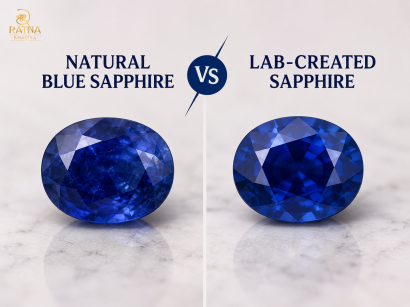
Natural vs Synthetic Blue Sapphire
Before buying Neelam, it is important to understand the difference between natural and laboratory-created stones.
Natural Blue Sapphire
Formed naturally through geological processes.
Synthetic Blue Sapphire
Created in a laboratory but with essentially the same chemical composition and crystal structure as natural Sapphire.
Imitation Sapphire
A different material designed to resemble Blue Sapphire.
For a valuable astrological gemstone, ask the seller specifically about the stone's origin and treatment.
Are Blue Sapphires Treated?
Yes. Many Sapphires available in the market have undergone treatments.
The most common treatment is heat treatment, which can improve color and clarity.
Heat treatment is an accepted gemstone enhancement when properly disclosed.
For expensive Blue Sapphire, buyers should ask:
- Is the stone natural?
- Has it been heated?
- Has it undergone any other treatment?
- Is there a laboratory report?
Why Certification Matters for Neelam
A professional gemological report can help verify important information about the gemstone.
Depending on the laboratory, a report may identify:
- Natural or synthetic origin
- Species and variety
- Treatment
- Weight
- Measurements
- Identifying characteristics
Certification becomes especially important when a Blue Sapphire is being sold as a rare or high-value gemstone.
Who Should Wear Blue Sapphire?
According to Vedic astrology, Neelam should ideally be recommended after examining an individual's birth chart.
An astrologer may consider:
- Ascendant
- Saturn's placement
- Saturn's strength
- Houses ruled by Saturn
- Planetary aspects
- Current planetary periods
Therefore, simply wearing Blue Sapphire because it is your birthstone or because someone recommends it casually may not follow traditional Jyotish practice.
How Is Blue Sapphire Traditionally Worn?
Traditional Vedic gemstone practices commonly associate Neelam with:
- Planet: Saturn
- Finger: Middle finger
- Metal: Silver, white gold, or other traditionally recommended metals
- Day: Saturday
Specific recommendations can vary between astrological traditions and individual charts.
If wearing Neelam specifically for astrological reasons, follow the recommendation of a qualified astrologer rather than relying solely on generic online instructions.
Can Blue Sapphire Be Worn Every Day?
Yes. From a gemological perspective, Sapphire is highly durable and is commonly used in everyday jewelry.
However, durability does not mean it is impossible to damage.
Strong impacts can still cause chips or fractures, especially around edges or inclusions.
Remove the jewelry during activities involving:
- Heavy physical work
- Sports
- Gardening
- Machinery
- Strong impacts
How to Care for Blue Sapphire Jewelry
Blue Sapphire is relatively easy to maintain.
Cleaning
Use:
- Mild soap
- Lukewarm water
- Soft brush
- Soft cloth
Storage
Store Sapphire separately from softer gemstones to prevent scratches.
Professional Cleaning
For treated or heavily included stones, ask a professional jeweler before using ultrasonic or steam cleaning.
Common Myths About Blue Sapphire
Myth 1: Neelam Always Produces Immediate Results
There is no scientific evidence supporting this claim.
Myth 2: Blue Sapphire Is Dangerous for Everyone
Traditional astrology says gemstone suitability depends on the birth chart. Scientifically, there is no evidence that wearing a genuine Blue Sapphire causes planetary harm.
Myth 3: Every Dark Blue Sapphire Is Valuable
Not necessarily. Excessively dark color can reduce visual brightness and appeal.
Myth 4: Natural Means Untreated
False. Natural gemstones can still be heat-treated or otherwise enhanced.
Myth 5: A Certificate Means the Stone Is Automatically High Quality
Not necessarily. A certificate can establish important facts about identity and treatment, but buyers should still evaluate color, clarity, cut, size, and overall quality.
Blue Sapphire Buying Checklist
Before purchasing a Neelam Stone, check:
☑ Natural or synthetic?
☑ Treatment disclosed?
☑ Color attractive and evenly distributed?
☑ Good transparency?
☑ No significant damage?
☑ Properly cut?
☑ Reliable laboratory report for valuable stones?
☑ Seller provides clear return/exchange terms?
☑ Price appropriate for the documented quality?
A reputable seller should be transparent about the gemstone's characteristics.
Frequently Asked Questions (FAQs)
What is Blue Sapphire called in Vedic astrology?
Blue Sapphire is commonly called Neelam or Neelam Stone and is traditionally associated with Saturn (Shani).
What are the benefits of Blue Sapphire?
Traditional astrology associates Neelam with discipline, patience, career stability, responsibility, protection, and long-term progress. These claims are based on astrological belief rather than scientific evidence.
Why is Blue Sapphire considered powerful?
Its reputation comes largely from its association with Saturn and centuries of astrological tradition. Its physical durability and rarity in fine qualities also contribute to its prestige.
Is Blue Sapphire really a fast-acting gemstone?
This is a traditional astrological belief. There is no scientifically established method to demonstrate that Blue Sapphire produces faster results than other gemstones.
Can anyone wear Blue Sapphire?
From a jewelry perspective, Blue Sapphire can be worn by many people. Traditionally, however, astrologers recommend Neelam based on an individual's birth chart.
Is Sri Lankan Blue Sapphire good?
Sri Lanka is an important source of Blue Sapphire and produces stones across a wide range of qualities. The quality of the individual gemstone matters more than origin alone.
Is a natural Blue Sapphire always better than a synthetic one?
Natural Sapphire is rarer and can be more valuable, especially in fine qualities. Synthetic Sapphire can have essentially the same physical and chemical characteristics but does not have natural geological rarity.
Conclusion
Blue Sapphire, or Neelam Stone, is one of the most fascinating gemstones in the world because it combines extraordinary physical durability with centuries of powerful astrological symbolism.
In Vedic astrology, Neelam is associated with Saturn, making it a traditional symbol of discipline, patience, responsibility, transformation, and long-term achievement. This association is also why Blue Sapphire has gained a reputation as a powerful and sometimes "fast-acting" gemstone.
From a scientific perspective, however, Blue Sapphire is a remarkable mineral because of its corundum composition, hardness, optical properties, color, and natural formation—not because planetary effects have been scientifically demonstrated.
If you are considering buying or wearing Neelam, the best approach is to appreciate both perspectives. You can respect its traditional astrological significance while also making a well-informed gemological purchase.
Always check the stone's natural or synthetic origin, treatment status, color, clarity, cut, certification, and seller transparency before investing in a valuable Blue Sapphire.
Ultimately, the true beauty of Neelam lies in the combination of its deep blue color, exceptional durability, rarity, cultural history, and timeless symbolism.
Share this post:
You Might Also Be Interested In
Discover more insightful articles related to this topic to deepen your gemstone knowledge.
19 August
Amethyst Stone Benefits: Meaning and Healing Properties
Amethyst Stone is one of the most popular varieties of quartz, admired for its beautiful...
11 August
Yellow Sapphire Ring Benefits: Why You Should Wear a Pukhraj Ring
Yellow Sapphire, popularly known as Pukhraj or Pushkaraj, is one of the most respected gemstones...

9 July
Pearl Stone Benefits: Why Moti Is Associated with Peace and Calm
The Pearl Stone, popularly known as Moti in India, has been admired for centuries for...
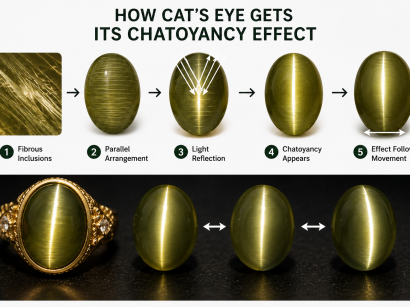
19 June
How Cat's Eye Gets Its Unique Chatoyancy Effect
The Cat's Eye gemstone (Lehsunia) is one of the most fascinating gems in the world,...
12 June
Hessonite Gemstone Benefits: Why Astrologers Recommend Gomed Stone
Gemstones have played an important role in astrology and spiritual traditions for centuries. Among these...
17 August
Natural vs Lab-Grown Diamonds: Which Is Better?
Diamonds have long been associated with beauty, luxury, commitment, and timeless elegance. However, modern diamond...