845, Ground Floor, Udyog Vihar Phase V, Sector 19, Gurugram, Haryana 122016
GET DIRECTION
How Cat's Eye Gets Its Unique Chatoyancy Effect
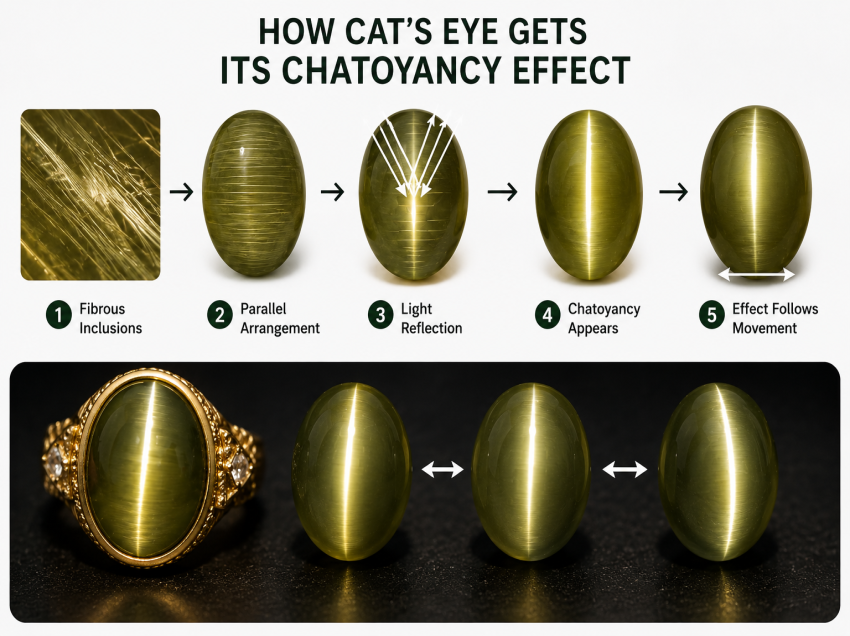
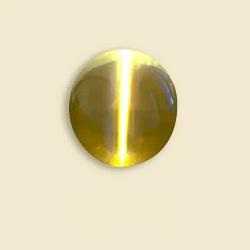
The Cat's Eye gemstone (Lehsunia) is one of the most fascinating gems in the world, instantly recognizable by the bright, narrow band of light that moves across its surface. This glowing line resembles the slit pupil of a cat's eye, giving the gemstone its name. The mesmerizing optical phenomenon responsible for this appearance is known as chatoyancy, derived from the French word œil de chat, meaning "cat's eye."
But how does this remarkable effect occur? In this guide, we'll explore the science behind chatoyancy, the factors that influence it, and why Cat's Eye gemstones are so highly valued by collectors, jewelers, and astrologers alike.
What Is Chatoyancy?
Chatoyancy is an optical effect that creates a luminous band of reflected light across the surface of a gemstone. When the stone is moved under a light source, the bright line appears to glide smoothly from one side to the other, much like the eye of a cat following movement.
This unique phenomenon is what distinguishes Cat's Eye gemstones from ordinary gems.
The Science Behind the Cat's Eye Effect
The chatoyancy effect occurs because of the presence of thousands of tiny parallel inclusions or fibrous structures within the gemstone.
These microscopic structures act like tiny mirrors. When light enters the stone, it reflects off these aligned inclusions and concentrates into a single bright band.
The result is:
- A sharp line of light
- A moving visual effect
- Enhanced depth and brilliance
The better aligned the inclusions, the more distinct the cat's eye effect becomes.
Which Gemstones Can Display Chatoyancy?
Although the term "Cat's Eye" is commonly associated with Chrysoberyl Cat's Eye, several gemstones can exhibit chatoyancy.
Examples include:
- Chrysoberyl Cat's Eye
- Quartz Cat's Eye
- Apatite Cat's Eye
- Tourmaline Cat's Eye
- Aquamarine Cat's Eye
Among these, Chrysoberyl Cat's Eye is considered the most valuable and displays the strongest chatoyant effect.
Why Chrysoberyl Cat's Eye Is Special
The most prized Cat's Eye gemstones belong to the chrysoberyl family.
Characteristics include:
- Exceptional sharpness of the eye
- Strong movement of light
- High durability
- Excellent transparency
Fine-quality Chrysoberyl Cat's Eye can display a bright silver-white line against a honey, greenish-yellow, or brownish body color.
The Role of Needle-Like Inclusions
The primary cause of chatoyancy is the presence of extremely fine needle-like inclusions inside the gemstone.
These inclusions may consist of:
- Hollow tubes
- Fibrous minerals
- Rutile-like structures
For a strong cat's eye effect:
✓ Inclusions must be abundant.
✓ They must be parallel to one another.
✓ They must be distributed evenly throughout the stone.
Without these conditions, the chatoyancy effect becomes weak or invisible.
Why Cat's Eye Stones Are Cut as Cabochons
Unlike faceted gemstones, Cat's Eye stones are almost always cut into a cabochon shape—a smooth, rounded dome with a flat base.
Why Cabochon Cutting Matters
The dome shape allows light to interact properly with the aligned inclusions.
Benefits include:
- Enhanced chatoyancy
- Better light reflection
- Sharper eye effect
A faceted cut would scatter light and reduce the visibility of the cat's eye phenomenon.
How Light Creates the Moving Eye
When a light source shines on the gemstone:
- Light enters the stone.
- It reflects off parallel inclusions.
- Reflected rays concentrate into a bright line.
- As the stone moves, the line appears to move as well.
This dynamic movement is one of the most attractive characteristics of Cat's Eye gemstones.
Factors That Affect Chatoyancy Quality
1. Sharpness of the Eye
A well-defined, narrow line is considered highly desirable.
Premium stones display:
- Crisp edges
- Bright reflection
- Clear visibility
2. Centering of the Eye
The line should run directly through the center of the gemstone.
Off-center eyes are generally less valuable.
3. Contrast
Greater contrast between the bright line and the gemstone's body color improves visual impact.
4. Transparency
Moderate transparency often enhances the cat's eye effect.
Excessive cloudiness may reduce brilliance.
5. Body Color
Popular Cat's Eye colors include:
- Honey yellow
- Golden brown
- Greenish yellow
- Grayish green
Strong body color combined with a bright eye increases value.
The Rare "Milk and Honey" Effect
Some high-quality Chrysoberyl Cat's Eye gemstones display a phenomenon known as the Milk and Honey Effect.
When illuminated:
- One side of the eye appears milky white.
- The other side appears honey-colored.
This effect is highly prized among collectors and can significantly increase the gemstone's value.
Cat's Eye in Vedic Astrology
In Vedic astrology, Cat's Eye (Lehsunia) is associated with the shadow planet Ketu.
Astrologers traditionally recommend it for:
- Spiritual growth
- Protection from negative influences
- Improved intuition
- Overcoming obstacles
For astrological use, certified natural Chrysoberyl Cat's Eye is generally preferred.
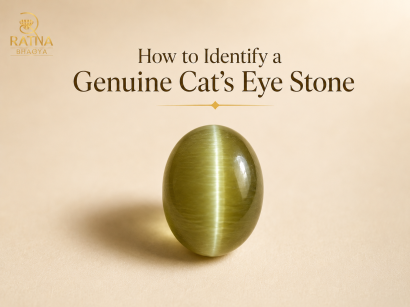
How to Identify a Genuine Cat's Eye Stone
When purchasing a Cat's Eye gemstone:
Look for a Moving Eye
The bright band should move smoothly as the stone is tilted.
Check Sharpness
A clear, narrow line is usually a sign of higher quality.
Examine Under Light
View the gemstone under a direct light source to assess the strength of chatoyancy.
Request Certification
A gemological certificate helps verify authenticity and quality.
Frequently Asked Questions (FAQs)
What causes the cat's eye effect in gemstones?
The effect is caused by light reflecting from parallel needle-like inclusions or fibrous structures inside the gemstone.
What is chatoyancy?
Chatoyancy is an optical phenomenon that creates a bright, moving band of light resembling a cat's eye.
Which Cat's Eye gemstone is most valuable?
Chrysoberyl Cat's Eye is generally considered the most valuable and desirable variety.
Why are Cat's Eye stones cut as cabochons?
The cabochon shape maximizes the visibility and sharpness of the chatoyancy effect.
What is the Milk and Honey Effect?
It is a rare optical effect where one side of the gemstone appears milky while the other appears honey-colored when viewed under light.
Conclusion
The unique chatoyancy effect that gives Cat's Eye gemstones their captivating appearance is a remarkable combination of nature, mineral structure, and expert cutting. Tiny parallel inclusions inside the gemstone reflect light into a bright moving band, creating the illusion of a watchful feline eye.
Whether admired for its beauty, collected for its rarity, or worn for astrological significance, the Cat's Eye gemstone remains one of the most intriguing gems in the world. Understanding how chatoyancy works not only enhances appreciation for these stones but also helps buyers recognize quality and authenticity when making a purchase.
Share this post:
You Might Also Be Interested In
Discover more insightful articles related to this topic to deepen your gemstone knowledge.
13 July
Some Amazing Facts About July Birthstone
Rubies have long been cherished by royalty and aristocracy who might be afforded the exorbitant...
9 March
10 Most Valuable Gemstones in The World
Each Valuable gemstones are novel in its own specific manner. However, which of the numerous...
21 March
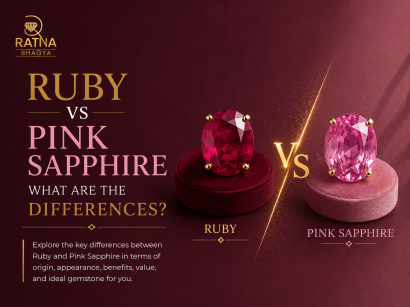
Ruby vs Pink Sapphire: What are the differences?
The mineral Corundum, which is a crystalline variant of aluminium oxide, is found in both...
2 July
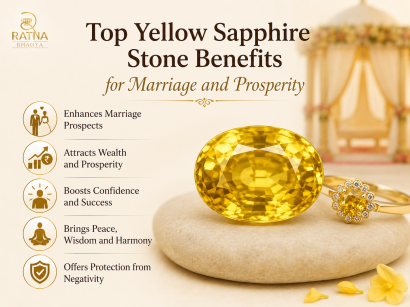
Top Yellow Sapphire Stone Benefits for Marriage and Prosperity
Yellow Sapphire, popularly known as Pukhraj or Pushkaraj, is one of the most revered gemstones...

2 April
Chaitra Navratri 2022: Attract blessing with these 9 gemstone and 9 avatars of Maa Durga
Navratri is said to offer freedom from all kinds of problems, deep relaxation, and creativity...

11 April
Katrina Kaif's Diamond Blue Sapphire Engagement Ring
Celebrities and their marriages have always attracted a large number of viewers. After all, it's...