845, Ground Floor, Udyog Vihar Phase V, Sector 19, Gurugram, Haryana 122016
GET DIRECTION
A Beginner's Guide to Gemstone Certification
Buying a gemstone can be an exciting experience, whether you're purchasing it for jewelry, investment, collection, or astrological purposes. However, with the growing presence of synthetic, treated, and imitation stones in the market, verifying a gemstone's authenticity has become more important than ever. This is where gemstone certification plays a crucial role.
A gemstone certificate provides independent verification of a stone's identity and characteristics, helping buyers make informed decisions with confidence. In this beginner's guide, we'll explain what gemstone certification is, why it matters, and how to understand a gemstone certificate before making a purchase.
What Is Gemstone Certification?
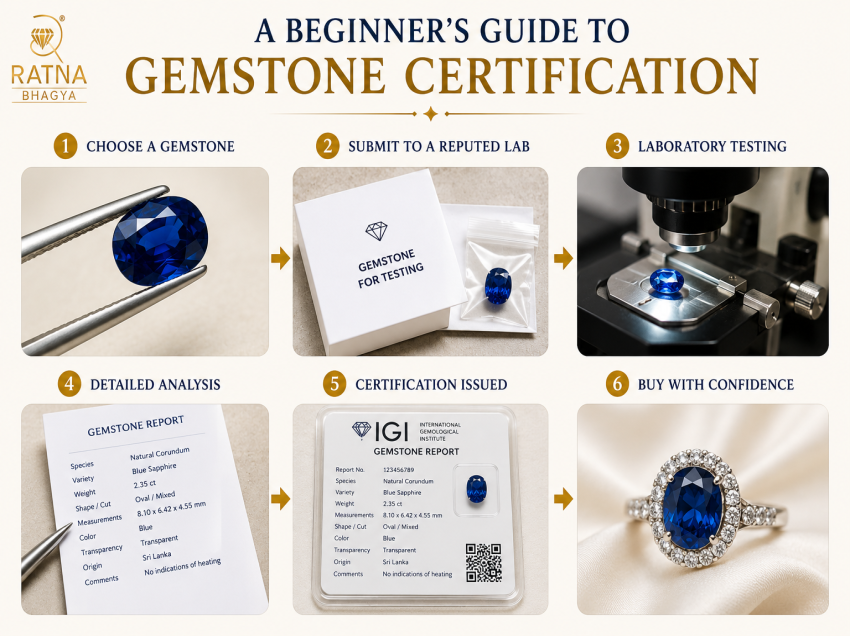
Gemstone certification is the process of examining and documenting a gemstone's characteristics by a professional gemological laboratory.
After careful testing, the laboratory issues a certificate or report containing information about the gemstone, including:
- Gemstone type
- Natural or synthetic origin
- Weight
- Color
- Shape and cut
- Measurements
- Treatments or enhancements (if detected)
A certification report serves as an independent assessment of the gemstone's authenticity and quality.
Why Is Gemstone Certification Important?
1. Confirms Authenticity
Certification helps verify whether a gemstone is genuine, synthetic, treated, or imitation.
This is especially important for valuable gemstones such as:
- Ruby (Manik)
- Emerald (Panna)
- Blue Sapphire (Neelam)
- Yellow Sapphire (Pukhraj)
- Red Coral (Moonga)
- Cat's Eye (Lehsunia)
2. Protects Buyers from Fraud
Without certification, it can be difficult for an average buyer to distinguish between natural and synthetic stones.
A gemstone certificate provides professional verification, reducing the risk of purchasing misrepresented gems.
3. Helps Determine Value
Certified gemstones generally command greater trust in the marketplace because buyers have documented information regarding their characteristics and quality.
4. Essential for Astrological Use
Many people purchase gemstones for Vedic astrology. In such cases, buyers often prefer certified natural gemstones to ensure authenticity and confidence in their purchase.
What Information Does a Gemstone Certificate Include?
While formats vary among laboratories, most certificates contain similar information.
Gemstone Identification
The report identifies the gemstone species, such as:
- Ruby
- Sapphire
- Emerald
- Pearl
- Coral
- Garnet
Weight
Gemstones are usually measured in:
- Carats (ct)
- Ratti (commonly used in India)
The certificate typically records the precise weight.
Shape and Cut
Examples include:
- Oval
- Round
- Cushion
- Pear
- Cabochon
The cut affects both appearance and value.
Color
Color descriptions help identify the gemstone's visual characteristics.
Examples:
- Vivid Green
- Royal Blue
- Reddish Pink
- Honey Yellow
Measurements
The certificate lists dimensions such as:
- Length
- Width
- Depth
These measurements help verify the stone's identity.
Origin Information (When Determined)
Some laboratories may provide geographic origin opinions, such as:
- Colombia (Emerald)
- Sri Lanka (Sapphire)
- Burma/Myanmar (Ruby)
Origin reports may not always be available and can require additional testing.
Treatment Disclosure
This is one of the most important sections.
The report may indicate whether the gemstone has undergone treatments such as:
- Heat treatment
- Oil enhancement
- Fracture filling
- Dyeing
- Resin filling
Treatment disclosure helps buyers understand exactly what they are purchasing.
Types of Gemstones You Should Always Buy with Certification
Certification is highly recommended for:
Precious Gemstones
- Ruby
- Sapphire
- Emerald
Astrological Gemstones
- Blue Sapphire (Neelam)
- Yellow Sapphire (Pukhraj)
- Red Coral (Moonga)
- Cat's Eye (Lehsunia)
- Hessonite (Gomed)
- Pearl (Moti)
High-Value Gemstones
Any gemstone representing a significant financial investment should ideally come with certification.
Common Gemstone Treatments Explained
Not all treatments are harmful, but they should always be disclosed.
Heat Treatment
Widely used to improve color and clarity in sapphires and rubies.
Oil Treatment
Commonly used for emeralds to reduce the visibility of fractures.
Dyeing
Used to enhance or alter color in certain gemstones.
Filling Treatments
Materials may be introduced into fractures to improve appearance.
Knowing about treatments helps buyers assess value accurately.
How Gemological Laboratories Test Gemstones
Professional laboratories use advanced instruments including:
- Microscopes
- Spectroscopes
- Refractometers
- Polariscopes
- UV testing equipment
These tools allow gemologists to identify characteristics that are not visible to the naked eye.
How to Verify a Gemstone Certificate
Before purchasing a gemstone:
Check the Certificate Number
Most laboratories assign a unique identification number.
Match the Details
Ensure the gemstone's:
- Weight
- Measurements
- Shape
- Color
match the information on the certificate.
Verify Online (If Available)
Many laboratories provide online verification services using certificate numbers.
Common Misconceptions About Gemstone Certification
Myth 1: Every Certificate Means the Stone Is Natural
Not necessarily. A certificate may identify a stone as synthetic or treated.
Always read the report carefully.
Myth 2: Certification Guarantees Astrological Results
Certification confirms gemstone characteristics and authenticity. It does not guarantee any astrological or spiritual outcomes.
Myth 3: All Laboratories Have the Same Standards
Different laboratories may use varying testing procedures and reporting formats.
Buyers should choose gemstones certified by reputable gemological laboratories.
Tips for Buying Certified Gemstones
Buy from Reputable Dealers
Choose sellers with transparent policies and positive customer reviews.
Ask Questions
Understand:
- Whether the gemstone is natural
- Any treatments applied
- The issuing laboratory
Compare Multiple Options
Review several certified stones before making a purchase.
Keep Documentation Safe
Store gemstone certificates securely for future reference, resale, or insurance purposes.
Frequently Asked Questions (FAQs)
What is a gemstone certificate?
A gemstone certificate is an official report issued by a gemological laboratory describing a gemstone's characteristics and authenticity.
Does certification guarantee a gemstone is natural?
Not always. The certificate will specify whether the gemstone is natural, synthetic, or treated.
Why is certification important for astrological gemstones?
Many buyers prefer certified gemstones to ensure authenticity when purchasing stones for astrological purposes.
Can fake gemstones have certificates?
Counterfeit certificates do exist. Always verify certificates through the issuing laboratory whenever possible.
Should I buy a gemstone without certification?
For valuable or astrological gemstones, certification is strongly recommended.
Conclusion
Gemstone certification is one of the most important tools available to modern gemstone buyers. It provides independent verification of a gemstone's identity, characteristics, and treatments, helping buyers make informed and confident purchasing decisions.
Whether you're buying a Ruby, Emerald, Sapphire, Pearl, Red Coral, or Cat's Eye, understanding how certification works can protect you from fraud and ensure you receive the quality you expect. For beginners and experienced collectors alike, a certified gemstone is often a safer and more trustworthy investment.
Share this post:
Relatest Post
You Might Also Be Interested In
Discover more insightful articles related to this topic to deepen your gemstone knowledge.
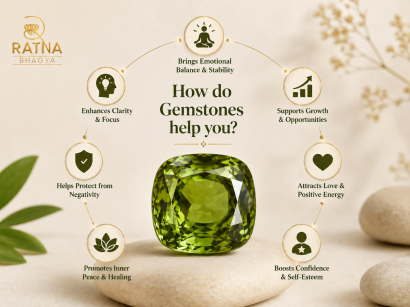
9 June
How do gemstones help you?
Gemstones have been used primarily for decorative reasons for millennia. However, societies all around the...
12 August
Pearl Stone Meaning: Symbolism, Beauty, and Spiritual Significance
Pearls have captivated people for centuries with their soft luster, natural elegance, and timeless beauty....
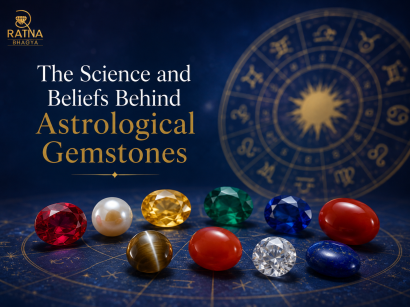
18 August
The Science and Beliefs Behind Astrological Gemstones
Astrological gemstones have fascinated people for centuries. From Ruby and Blue Sapphire to Yellow Sapphire,...
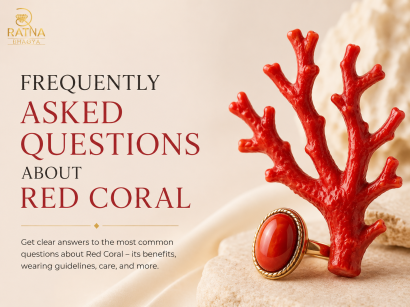
31 March
FREQUENTLY ASKED QUESTIONS ABOUT RED CORAL
What is Red Coral? Red Coral is one of the few organic gemstones available, along...
20 June
How to Identify a Genuine Amethyst Stone
Amethyst is one of the most popular and widely recognized gemstones in the world. Known...
30 April
Birthstones Significance and Meanings
Birthstones are jewels associated with a certain month of birth; each stone has its own...