845, Ground Floor, Udyog Vihar Phase V, Sector 19, Gurugram, Haryana 122016
GET DIRECTION
How to Identify a Genuine Amethyst Stone
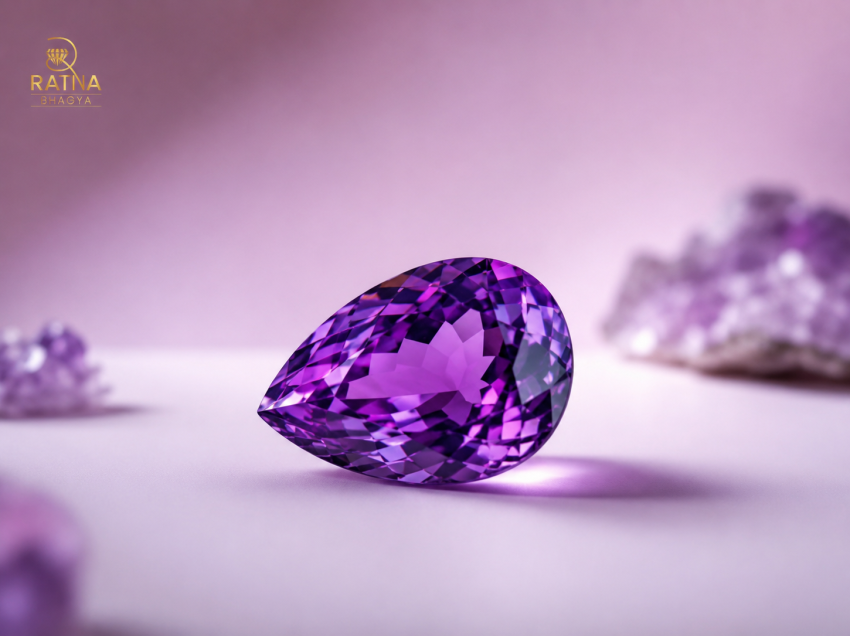
Amethyst is one of the most popular and widely recognized gemstones in the world. Known for its stunning purple hues and affordability, this beautiful variety of quartz has been cherished for centuries in jewelry, spiritual practices, and gemstone collections. However, due to its popularity, the market is filled with synthetic, dyed, and imitation stones that can be mistaken for genuine amethyst.
If you're planning to buy an amethyst gemstone, understanding how to identify a real stone can help you avoid counterfeits and make a confident purchase. In this guide, we'll explore the key characteristics of genuine amethyst and the best ways to verify its authenticity.
What Is Amethyst?
Amethyst is a purple variety of quartz that gets its color from trace amounts of iron and natural irradiation during its formation. It can range in color from pale lavender to deep violet and is found in several countries, including Brazil, Uruguay, Zambia, and Madagascar.
Natural amethyst is valued for its beauty, durability, and unique color variations.
Why Fake Amethyst Stones Exist
Because amethyst is in high demand, manufacturers often create imitations using:
- Colored glass
- Dyed quartz
- Synthetic amethyst
- Plastic replicas
- Composite gemstones
Some fake stones can look convincing, making it important for buyers to know what to look for.
Key Characteristics of a Genuine Amethyst Stone
1. Check the Color
One of the easiest ways to identify natural amethyst is by observing its color.
A genuine amethyst usually displays:
✔ Shades of purple ranging from light lavender to deep violet
✔ Natural color zoning or uneven color distribution
✔ Subtle variations in intensity
Be cautious if the stone appears:
✘ Perfectly uniform in color
✘ Excessively bright purple
✘ Artificially vibrant
Natural gemstones rarely have completely consistent coloring throughout.
2. Look for Color Zoning
Natural amethyst often contains color zoning, which appears as areas of lighter and darker purple within the stone.
This occurs naturally during crystal growth and is one of the indicators of authenticity.
Synthetic or glass imitations often lack these natural variations.
3. Examine the Stone Under Magnification
Using a jeweler's loupe or magnifying glass, inspect the gemstone carefully.
Natural amethyst may contain:
- Tiny mineral inclusions
- Internal growth patterns
- Natural imperfections
Fake stones made of glass may show:
- Air bubbles
- Swirling patterns
- Excessively clean interiors
The presence of air bubbles is usually a strong sign that the stone is glass rather than natural amethyst.
4. Check the Transparency
High-quality amethyst is generally transparent, but it may still contain minor natural inclusions.
A genuine stone should:
- Allow light to pass through
- Appear clear without looking artificial
- Show natural internal characteristics
Stones that appear overly perfect should be examined more closely.
5. Observe the Hardness
Amethyst has a hardness of 7 on the Mohs scale, making it relatively durable.
This means:
- It resists scratches better than glass.
- It is suitable for everyday jewelry.
However, avoid performing scratch tests on valuable gemstones, as they may cause damage.
6. Feel the Temperature
Natural gemstones typically feel cool to the touch when first handled.
Plastic imitations often:
- Feel warmer
- Lack the density of genuine stone
While this is not a definitive test, it can provide additional clues.
Common Types of Fake Amethyst
Colored Glass
One of the most common substitutes.
Characteristics:
- Air bubbles
- Uniform color
- Lower durability
Dyed Quartz
Clear quartz may be artificially dyed purple to imitate amethyst.
Signs include:
- Color concentration in cracks
- Unnatural color intensity
- Uneven dye distribution
Synthetic Amethyst
Synthetic amethyst has the same chemical composition as natural amethyst but is created in a laboratory.
While visually similar, it lacks the natural geological formation of a genuine stone.
Plastic Imitations
Plastic replicas are generally easy to identify due to:
- Light weight
- Warm feel
- Artificial appearance
How to Verify an Amethyst Stone Professionally
Gemological Testing
Professional gemological laboratories use advanced equipment to determine:
- Natural or synthetic origin
- Treatments or enhancements
- Quality characteristics
Certification
The most reliable way to confirm authenticity is through a gemstone certificate issued by a recognized gemological laboratory.
Certification provides confidence and transparency when purchasing gemstones.
Tips for Buying Genuine Amethyst
Buy from Reputable Sellers
Choose established gemstone dealers with positive customer reviews and transparent policies.
Request Certification
A certificate can verify whether the stone is natural, synthetic, or treated.
Compare Prices
Be cautious if a stone is priced significantly below market value.
Ask About Treatments
Some amethysts may undergo treatments to improve appearance. Always request full disclosure.
Factors That Affect Amethyst Value
Color
Deep, rich purple stones generally command higher prices.
Clarity
Stones with fewer visible inclusions are often more desirable.
Cut
A well-cut gemstone maximizes brilliance and visual appeal.
Size
Larger amethysts of good quality are typically more valuable.
Origin
Some sources, such as Uruguay and Zambia, are known for producing particularly attractive amethyst specimens.
Frequently Asked Questions (FAQs)
How can I tell if my amethyst is real?
Look for natural color zoning, minor inclusions, proper transparency, and certification from a recognized gemological laboratory.
Do real amethysts contain bubbles?
Natural amethyst generally does not contain round air bubbles. Bubbles often indicate glass imitation.
Is synthetic amethyst considered fake?
Synthetic amethyst has the same chemical composition as natural amethyst but is laboratory-created rather than naturally formed.
Can amethyst be dyed?
Yes. Some quartz stones are dyed purple to imitate amethyst, making certification important.
What is the best way to verify authenticity?
Professional gemological testing and certification remain the most reliable methods.
Conclusion
Identifying a genuine amethyst stone involves careful observation of its color, inclusions, transparency, and overall appearance. Natural amethyst typically displays subtle color zoning, minor imperfections, and a rich purple hue that reflects its geological origin.
While visual inspection can help identify potential imitations, the most reliable way to confirm authenticity is through certification from a trusted gemological laboratory. Whether you're purchasing amethyst for jewelry, collection, or spiritual purposes, understanding these identification techniques will help you make a confident and informed choice.
Share this post:
Relatest Post
You Might Also Be Interested In
Discover more insightful articles related to this topic to deepen your gemstone knowledge.
28 March
Understanding Vedic Astrology And Its Relation With Gemstones
The study of the motions and relative locations of celestial bodies throughout the sky, as...
31 March
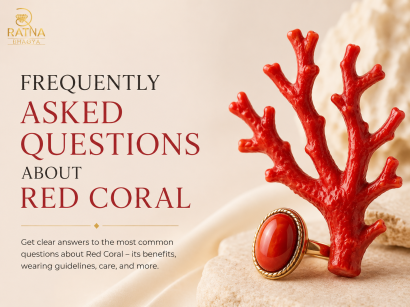
FREQUENTLY ASKED QUESTIONS ABOUT RED CORAL
What is Red Coral? Red Coral is one of the few organic gemstones available, along...
31 August
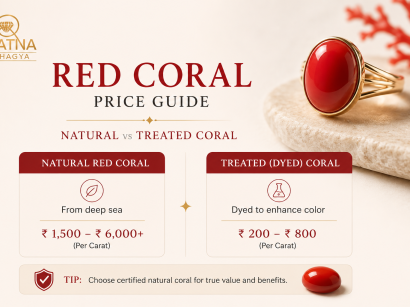
Red Coral Gemstone Price Guide: Natural vs Treated Coral
Red Coral, popularly known as Moonga Stone, is one of the most distinctive organic gemstones...

22 June
Future of the Gemstone Industry: Trends and Innovations
The gemstone industry has evolved significantly over the past few decades, blending centuries-old traditions with...
21 March
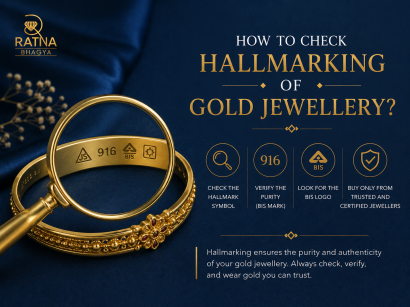
How to check Hallmarking of Gold Jewellery?
For millennia, people have purchased jewellery from jewellery stores. Gold jewellery may now be purchased...
22 June
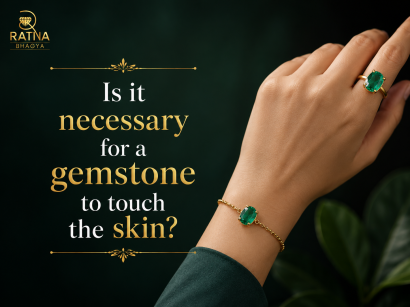
Is it necessary for a gemstone to touch the skin?
Gemstone have long been prized for their elegance and brilliance, as well as their medicinal...