845, Ground Floor, Udyog Vihar Phase V, Sector 19, Gurugram, Haryana 122016
GET DIRECTION
Birthstones by Month: Complete Guide and Meanings
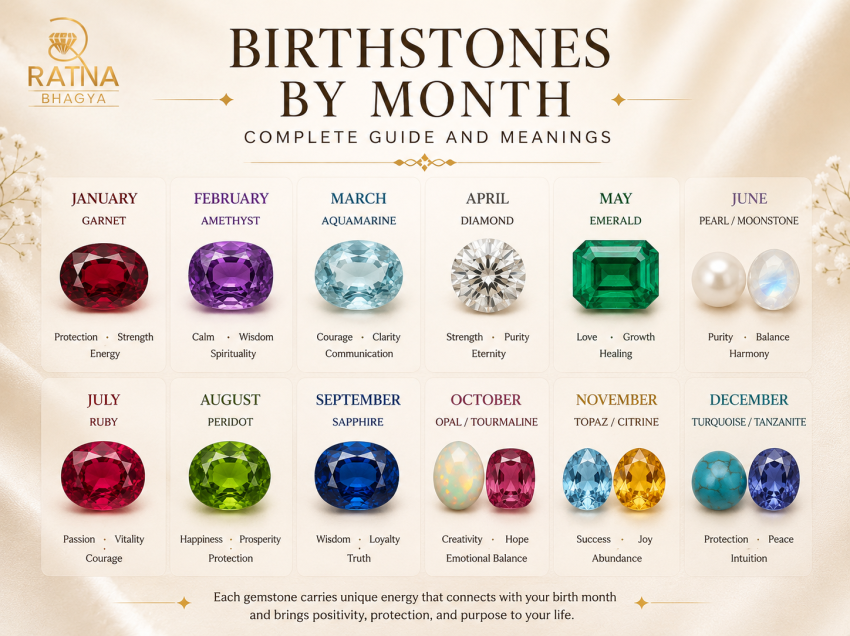
Birthstones are gemstones traditionally associated with a particular month of the year. They have become popular as meaningful jewelry choices because each stone carries its own color, history, symbolism, and cultural significance.
Whether you're looking for a meaningful birthday gift, choosing a personal gemstone, or simply interested in the history behind birthstones, understanding the stone associated with each month can make your selection more special.
Today, some months have more than one recognized birthstone, giving people a wider choice of colors, styles, and price ranges.
In this complete guide, we'll explore birthstones for every month, their meanings, colors, history, and popular jewelry uses.
Note: Birthstone meanings and traditional symbolism come from cultural, historical, and astrological traditions. They should not be interpreted as scientifically proven healing or life-changing properties.
What Is a Birthstone?
A birthstone is a gemstone traditionally associated with a particular month of the year.
The modern birthstone list developed from a combination of:
- Ancient traditions
- Religious and historical associations
- European customs
- Jewelry industry standards
- Modern cultural preferences
Birthstones are now commonly used in:
- Rings
- Pendants
- Earrings
- Bracelets
- Necklaces
- Personalized gifts
Because many birthstones have distinctive colors and symbolism, they offer an easy way to personalize jewelry.
Birthstones by Month at a Glance
| Month | Birthstone(s) | Common Colors | Traditional Meaning |
|---|---|---|---|
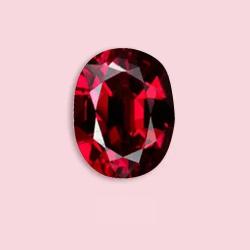
| January | Garnet | Red, green, orange | Protection, friendship, strength |
| February | Amethyst | Purple | Peace, wisdom, calmness |
| March | Aquamarine, Bloodstone | Blue, green | Courage, tranquility, vitality |
| April | Diamond | Colorless, fancy colors | Strength, clarity, commitment |
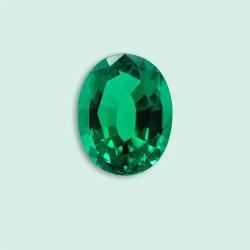
| May | Emerald | Green | Growth, renewal, love |
| June | Pearl, Alexandrite, Moonstone | White, color-change, white/gray | Purity, transformation, intuition |
| July | Ruby | Red | Passion, courage, confidence |
| August | Peridot, Spinel, Sardonyx | Green, many colors, brown/red/white | Renewal, vitality, strength |
| September | Sapphire | Blue, many colors | Wisdom, loyalty, protection |
| October | Opal, Tourmaline | Multicolor, many colors | Creativity, hope, individuality |
| November | Topaz, Citrine | Yellow, orange, blue, brown | Joy, abundance, warmth |
| December | Turquoise, Tanzanite, Zircon | Blue, violet-blue, many colors | Protection, spiritual growth, prosperity |
January Birthstone: Garnet
Garnet is the traditional birthstone for January.
Although many people associate Garnet with deep red, the Garnet family actually includes gemstones in several colors.
Garnet Meaning
Traditionally, Garnet symbolizes:
- Protection
- Friendship
- Strength
- Commitment
- Passion
- Courage
Historically, Garnets were sometimes carried as protective talismans by travelers.
Popular Garnet Varieties
- Almandine
- Pyrope
- Rhodolite
- Spessartite
- Tsavorite
- Demantoid
- Hessonite
February Birthstone: Amethyst
Amethyst is February's birthstone and is one of the most recognizable purple gemstones.
Amethyst Meaning
Traditionally associated with:
- Peace
- Calmness
- Wisdom
- Spiritual awareness
- Self-control
The name comes from an ancient Greek term associated with sobriety.
Why Choose Amethyst?
Amethyst offers:
- Beautiful purple color
- Good durability
- Wide availability
- Affordable options
- Versatile jewelry styles
March Birthstones: Aquamarine and Bloodstone
Aquamarine
Aquamarine is a blue to blue-green variety of beryl.
Aquamarine Meaning
Traditionally associated with:
- Calmness
- Courage
- Clarity
- Protection
- Tranquility
Its name comes from Latin words meaning "water of the sea."
Bloodstone
Bloodstone is a dark green variety of chalcedony often containing distinctive red spots caused by iron oxide or related mineral inclusions.
It is traditionally associated with:
- Strength
- Courage
- Vitality
- Determination
April Birthstone: Diamond
Diamond is the traditional birthstone for April.
Diamond is famous for being the hardest naturally occurring mineral and for its exceptional brilliance.
Diamond Meaning
Traditionally symbolizes:
- Strength
- Eternal love
- Commitment
- Clarity
- Purity
Why Is Diamond Popular?
Diamond is widely used in:
- Engagement rings
- Wedding jewelry
- Anniversary gifts
- Fine jewelry
Although colorless diamonds are particularly famous, diamonds can naturally occur in a range of colors.
May Birthstone: Emerald
Emerald is May's birthstone and is famous for its rich green color.
Emerald is a variety of beryl, with its green color associated primarily with chromium, vanadium, or both.
Emerald Meaning
Traditionally represents:
- Growth
- Renewal
- Love
- Wisdom
- Prosperity
- Harmony
Emeralds are particularly admired for their intense green color and distinctive natural inclusions, often called jardin.
June Birthstones: Pearl, Alexandrite, and Moonstone
June is one of the months with the widest variety of traditional birthstone choices.
Pearl
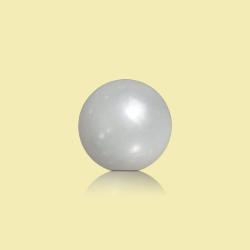
Pearls are organic gemstones created by mollusks.
Pearl Meaning
Traditionally associated with:
- Purity
- Wisdom
- Peace
- Grace
- Emotional balance
Pearls are especially popular for elegant and classic jewelry.
Alexandrite
Alexandrite is famous for its remarkable color-change effect.
Depending on the lighting, it may appear:
- Greenish
- Bluish-green
- Reddish
- Purplish-red
Alexandrite Meaning
Traditionally associated with:
- Transformation
- Creativity
- Adaptability
- Individuality
Fine natural Alexandrite is rare and can be highly valuable.
Moonstone
Moonstone is known for its soft, floating optical effect called adularescence.
Moonstone Meaning
Traditionally connected with:
- Intuition
- Femininity
- Calmness
- Emotional awareness
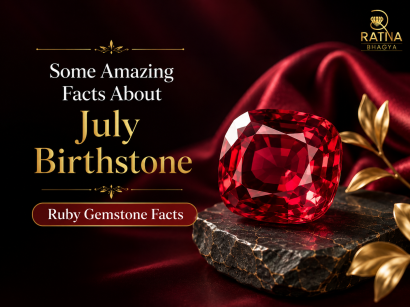
July Birthstone: Ruby
Ruby is the traditional birthstone for July.
Ruby is the red variety of corundum and is one of the world's most valuable colored gemstones.
Ruby Meaning
Traditionally represents:
- Passion
- Courage
- Confidence
- Leadership
- Vitality
- Love
Ruby's intense red color has made it a symbol of power and passion across cultures.
August Birthstones: Peridot, Spinel, and Sardonyx
Peridot
Peridot is known for its distinctive yellowish-green to olive-green color.
Peridot Meaning
Traditionally associated with:
- Renewal
- Growth
- Happiness
- Protection
- Vitality
Spinel
Spinel occurs in many colors, including:
- Red
- Pink
- Blue
- Purple
- Orange
- Black
It is valued for its brilliance and durability.
Spinel Meaning
Traditionally associated with:
- Energy
- Strength
- Inspiration
- Passion
Sardonyx
Sardonyx is a variety of chalcedony characterized by layered bands of contrasting colors.
Traditionally, it has been associated with:
- Courage
- Strength
- Protection
- Stability
September Birthstone: Sapphire
Sapphire is September's traditional birthstone.
Blue Sapphire is the most famous variety, although Sapphire can occur in many colors.
Sapphire Meaning
Traditionally symbolizes:
- Wisdom
- Loyalty
- Truth
- Protection
- Integrity
Sapphire's exceptional hardness also makes it suitable for everyday jewelry.
October Birthstones: Opal and Tourmaline
Opal
Opal is famous for its beautiful play-of-color, which can display flashes of multiple colors as the stone moves.
Opal Meaning
Traditionally associated with:
- Creativity
- Hope
- Inspiration
- Imagination
- Individuality
Tourmaline
Tourmaline occurs in an extraordinary range of colors.
Popular varieties include:
- Pink Tourmaline
- Green Tourmaline
- Paraíba Tourmaline
- Watermelon Tourmaline
Tourmaline Meaning
Traditionally associated with:
- Creativity
- Balance
- Emotional harmony
- Positive energy
November Birthstones: Topaz and Citrine
Topaz
Topaz occurs in several colors, including:
- Blue
- Yellow
- Orange
- Pink
- Brown
- Colorless
Topaz Meaning
Traditionally associated with:
- Joy
- Abundance
- Confidence
- Strength
- Good fortune
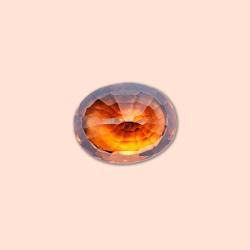
Imperial Topaz, particularly in warm orange and reddish-orange colors, can be especially desirable.
Citrine
Citrine is the yellow-to-orange variety of quartz.
Citrine Meaning
Traditionally associated with:
- Happiness
- Optimism
- Abundance
- Success
- Warmth
Citrine's golden color makes it a popular choice for cheerful, everyday jewelry.
December Birthstones: Turquoise, Tanzanite, and Zircon
Turquoise
Turquoise is one of the oldest gemstones used in jewelry and decorative objects.
Turquoise Meaning
Traditionally associated with:
- Protection
- Friendship
- Peace
- Good fortune
- Wisdom
Its distinctive blue-green color makes it instantly recognizable.
Tanzanite
Tanzanite is a relatively rare gemstone found primarily in Tanzania.
It can display beautiful shades ranging from:
- Blue
- Violet
- Bluish-purple
Tanzanite Meaning
Traditionally associated with:
- Transformation
- Spiritual growth
- Intuition
- Creativity
Zircon
Zircon occurs in several colors and is known for its strong brilliance and dispersion.
It should not be confused with cubic zirconia, which is a laboratory-created diamond simulant.
Zircon Meaning
Traditionally associated with:
- Wisdom
- Prosperity
- Protection
- Spiritual growth
How to Choose Your Birthstone
Your birth month provides a starting point, but you don't necessarily have to choose the first or most traditional gemstone on the list.
Consider:
1. Color
Choose a gemstone whose color complements your personal style.
2. Durability
If you plan to wear the gemstone every day, consider its hardness and toughness.
For example, Diamond, Ruby, and Sapphire are excellent choices for everyday rings, while softer stones such as Pearl and Opal require more care.
3. Budget
Birthstones range dramatically in price.
Affordable options include:
- Garnet
- Amethyst
- Citrine
- Peridot
Rare varieties such as fine Alexandrite, Ruby, Sapphire, Emerald, and certain Tourmalines can be significantly more expensive.
4. Meaning
Many buyers choose a birthstone because they connect with its traditional symbolism.
5. Certification
For expensive gemstones, certification can help verify:
- Gemstone identity
- Natural or synthetic origin
- Treatments
- Weight
- Other relevant characteristics
Birthstone vs Astrological Gemstone: What's the Difference?
Birthstones and astrological gemstones are related concepts, but they are not the same.
Birthstone
A birthstone is traditionally associated with your birth month.
For example:
- January → Garnet
- May → Emerald
- July → Ruby
Astrological Gemstone
An astrological gemstone is selected according to a particular astrological system and birth chart.
For example, in Vedic astrology:
- Ruby → Sun
- Pearl → Moon
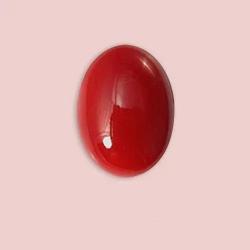
- Red Coral → Mars
- Emerald → Mercury
- Yellow Sapphire → Jupiter
- Blue Sapphire → Saturn
Therefore, your birthstone does not automatically mean it is your astrologically recommended gemstone.
Can Birthstones Have Healing Properties?
Many traditional cultures and modern crystal-healing practices associate gemstones with various emotional, spiritual, or physical benefits.
However, scientific evidence does not establish that birthstones can diagnose, prevent, or cure medical conditions.
It is perfectly reasonable to appreciate a gemstone for its symbolism or personal meaning, but it should not replace appropriate medical care.
Birthstones as Personalized Gifts
Birthstones are particularly popular as personalized gifts because they add meaning to ordinary jewelry.
Popular gift ideas include:
- Birthstone rings
- Birthstone necklaces
- Birthstone bracelets
- Birthstone earrings
- Personalized pendants
- Family birthstone jewelry
For families, jewelry can even combine multiple birthstones representing different family members.
Frequently Asked Questions (FAQs)
What is the birthstone for January?
Garnet is the traditional birthstone for January.
What is the birthstone for May?
Emerald is the traditional birthstone for May.
What is the birthstone for July?
Ruby is the traditional birthstone for July.
What is the birthstone for September?
Sapphire is the traditional birthstone for September.
Which month has the most birthstones?
June, August, and December are among the months with multiple widely recognized birthstone options.
Are birthstones scientifically proven to have healing powers?
No. Birthstone healing claims come from cultural, spiritual, and traditional practices rather than established scientific evidence.
Can I wear a birthstone even if I don't believe in astrology?
Absolutely. Birthstones can simply be appreciated for their beauty, history, color, and personal significance.
Is my birthstone automatically suitable for Vedic astrology?
No. A birthstone is selected based on the birth month, while a Vedic astrological gemstone is traditionally selected according to the individual's birth chart.
Conclusion
Birthstones offer a fascinating way to connect personal identity, jewelry, history, and gemstone symbolism. Each month brings its own distinctive gemstone—or sometimes several choices—giving everyone an opportunity to find a stone that matches their personality and style.
From the passionate red of Ruby in July and the lush green of Emerald in May to the calming purple of Amethyst in February and the mesmerizing colors of Opal in October, every birthstone has its own story.
When choosing a birthstone, consider more than your birth month. Think about color, durability, budget, gemstone quality, personal symbolism, and how you plan to wear it.
Whether you believe in traditional gemstone meanings or simply love the beauty of natural stones, a birthstone can make a piece of jewelry feel more personal and memorable.
Share this post:
You Might Also Be Interested In
Discover more insightful articles related to this topic to deepen your gemstone knowledge.
17 July
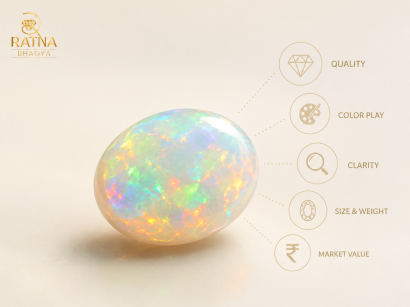
Opal Stone Price Guide 2026: Factors That Affect the Value of Opal
Opal is one of the most fascinating gemstones in the world, admired for its mesmerizing...
27 August
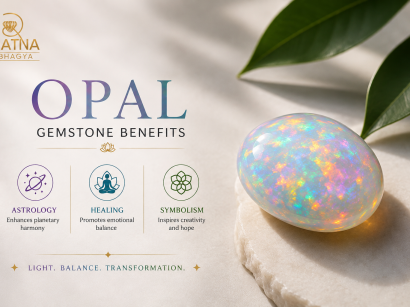
Opal Gemstone Benefits: Astrology, Healing, and Symbolism
Opal gemstone is one of the most captivating gemstones in the world, celebrated for its...
14 July
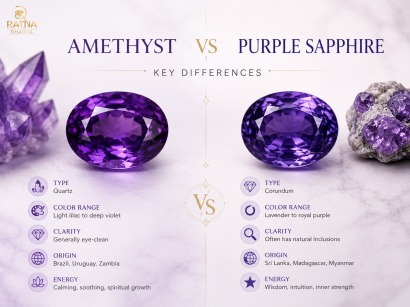
Amethyst vs Purple Sapphire: Key Differences
Purple gemstones have fascinated jewelry lovers for centuries, and two of the most popular choices...
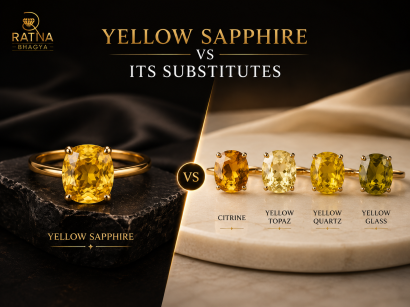
22 April
Difference Between Yellow Sapphire And Its Substitutes
There are gemstones that are extremely similar in colour, yet their characteristics are vastly different....
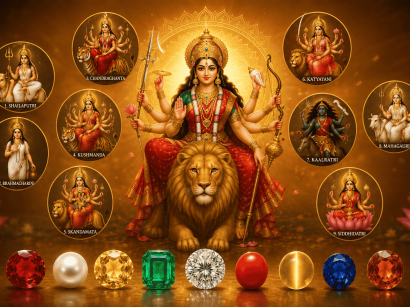
2 April
Chaitra Navratri 2022: Attract blessing with these 9 gemstone and 9 avatars of Maa Durga
Navratri is said to offer freedom from all kinds of problems, deep relaxation, and creativity...
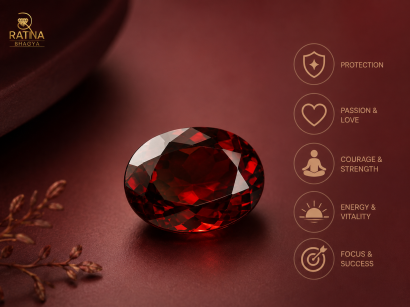
6 August
Garnet Stone Benefits: Symbolism and Modern Uses
The Garnet Stone is one of the oldest and most admired gemstones in history, celebrated...