845, Ground Floor, Udyog Vihar Phase V, Sector 19, Gurugram, Haryana 122016
GET DIRECTION
Natural vs Lab-Grown Diamonds: Which Is Better?
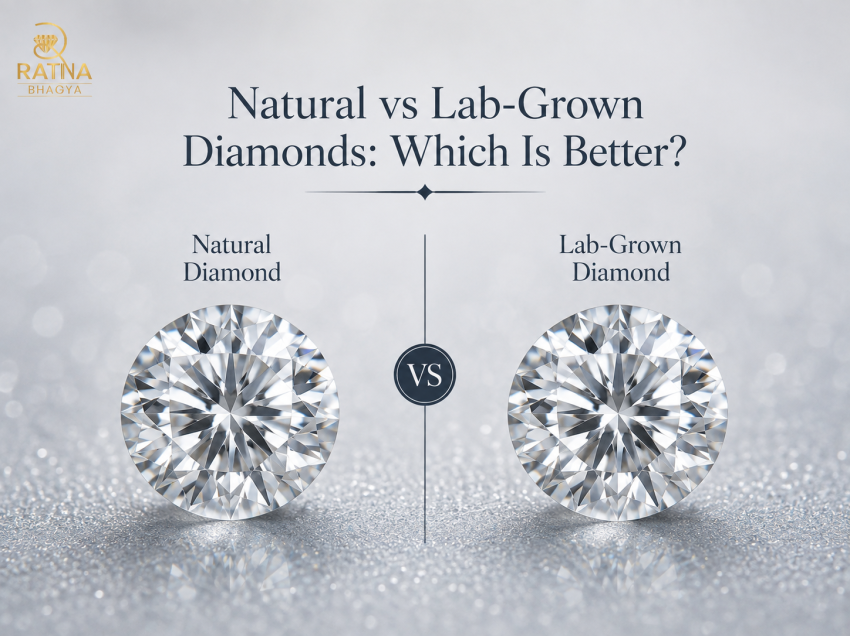
Diamonds have long been associated with beauty, luxury, commitment, and timeless elegance. However, modern diamond buyers now have more choices than ever. Alongside traditional natural diamonds, lab-grown diamonds have become increasingly popular as an alternative.
At first glance, both may look almost identical. So, what actually separates them? Is a natural diamond better than a lab-grown diamond, or does the answer depend on what you value most?
In this guide, we'll compare natural vs lab-grown diamonds based on their origin, appearance, durability, price, rarity, resale considerations, environmental factors, and overall value to help you make an informed decision.
Note: The term "better" depends on your priorities. If you value geological rarity and natural origin, a natural diamond may appeal more to you. If you prioritize size, budget, and laboratory-created origin, a lab-grown diamond may be the better choice.
What Is a Natural Diamond?
A natural diamond forms deep within the Earth under extremely high temperatures and pressures over geological timescales.
Natural diamonds are brought closer to the Earth's surface through geological processes and are eventually mined, cut, polished, and graded for use in jewelry.
Their natural formation is one of the main reasons diamonds are considered rare and valuable.
Natural diamonds can vary considerably in:
- Color
- Clarity
- Cut
- Carat weight
- Shape
- Origin
What Is a Lab-Grown Diamond?
A lab-grown diamond, also called a laboratory-grown or laboratory-created diamond, is produced using advanced technology that recreates conditions under which diamonds can form.
The two primary production methods are:
HPHT – High Pressure High Temperature
This process recreates high-pressure and high-temperature conditions similar to those involved in natural diamond formation.
CVD – Chemical Vapor Deposition
CVD diamonds are grown from carbon-containing gases inside a controlled laboratory environment.
Importantly, a lab-grown diamond is not simply a diamond imitation. It has essentially the same crystal structure and chemical composition as a natural diamond.
Natural vs Lab-Grown Diamonds: Key Differences
| Feature | Natural Diamond | Lab-Grown Diamond |
|---|---|---|
| Origin | Formed naturally inside the Earth | Created in a laboratory |
| Composition | Carbon | Carbon |
| Crystal Structure | Diamond crystal structure | Diamond crystal structure |
| Appearance | Genuine diamond appearance | Genuine diamond appearance |
| Hardness | 10 on Mohs scale | 10 on Mohs scale |
| Rarity | Naturally rare | Can be produced at scale |
| Price | Generally higher | Generally lower |
| Treatments | May be treated | May be treated |
| Certification | Available | Available |
| Resale Market | Established | Generally more limited |
| Formation Time | Geological timescale | Laboratory production process |
Are Lab-Grown Diamonds Real Diamonds?
Yes.
One of the most common misconceptions is that lab-grown diamonds are fake diamonds.
Lab-grown diamonds are genuine diamonds because they have essentially the same:
- Carbon composition
- Crystal structure
- Physical properties
- Optical properties
as natural diamonds.
The primary difference is origin.
A natural diamond forms through geological processes, while a lab-grown diamond is created using controlled technology.
Natural Diamond vs Lab-Grown Diamond: Appearance
To the naked eye, a high-quality lab-grown diamond can look virtually identical to a natural diamond.
Both can exhibit:
- Excellent brilliance
- Fire
- Sparkle
- High clarity
- Beautiful cuts
Even experienced jewelers may require specialized gemological equipment to distinguish them reliably.
A grading report can identify whether a diamond is natural or laboratory-grown.
Difference in Price
One of the biggest advantages of lab-grown diamonds is their generally lower purchase price.
A lab-grown diamond can allow buyers to choose:
- A larger carat weight
- Higher clarity
- Better color
- More elaborate jewelry
while staying within the same budget.
Natural diamonds generally command higher prices because their supply is limited by geological formation and mining.
However, diamond prices vary significantly based on quality, shape, certification, market conditions, and retailer pricing.
Rarity and Exclusivity
Natural Diamonds
Natural diamonds formed through geological processes are inherently limited.
Their rarity is an important part of their traditional appeal.
For some buyers, owning a gemstone that formed naturally over geological time gives the diamond additional emotional and collectible value.
Lab-Grown Diamonds
Lab-grown diamonds can be produced repeatedly in controlled facilities.
They are therefore not considered geologically rare in the same way as natural diamonds.
For buyers who prioritize affordability over rarity, this may be an advantage rather than a disadvantage.
Durability
Both natural and lab-grown diamonds have a hardness of approximately 10 on the Mohs scale.
This makes diamond the hardest naturally occurring mineral and an excellent choice for everyday jewelry.
However, hardness does not mean a diamond is impossible to damage. Diamonds can still chip or fracture if struck in vulnerable areas.
Proper jewelry care is important regardless of origin.
Environmental Considerations
Environmental impact is more complicated than simply labeling one category "eco-friendly."
Natural Diamonds
Natural diamonds require mining, which can involve:
- Land disturbance
- Energy consumption
- Water use
- Infrastructure
- Waste management
However, modern mining practices vary significantly by company, location, and operation.
Lab-Grown Diamonds
Lab-grown diamonds avoid conventional diamond mining, but their production requires:
- Electricity
- Specialized equipment
- Industrial facilities
The environmental footprint can therefore vary depending on the production technology and the source of electricity.
If environmental impact is important to you, ask the seller about the diamond's production method, energy sources, and sustainability practices rather than relying only on marketing labels.
Resale Value: Natural vs Lab-Grown Diamonds
Resale value is an important consideration for some buyers.
Natural diamonds have a longer-established resale market, although that does not mean they are guaranteed to appreciate or retain their original retail price.
Lab-grown diamonds have generally experienced significant price reductions as production technology has become more efficient and supply has increased.
As a result, their resale market may be less favorable.
If your primary goal is investment or future resale, neither type should be purchased with an expectation of guaranteed profit.
Certification Matters
Whether you choose a natural or lab-grown diamond, certification is important.
A reputable grading report can provide information about:
- Diamond origin
- Carat weight
- Color
- Clarity
- Cut
- Measurements
- Treatments or identifying characteristics
For an expensive diamond purchase, always ask to see the grading report and ensure that the report details match the inscription or identification associated with the stone where applicable.
Natural vs Lab-Grown: Which One Should You Choose?
The right choice depends on your priorities.
Choose a Natural Diamond If You Value:
- Natural geological origin
- Rarity
- Traditional symbolism
- Long-established market recognition
- The uniqueness of a naturally formed gemstone
A natural diamond may be especially appealing if the story of its geological formation is an important part of the meaning behind your purchase.
Choose a Lab-Grown Diamond If You Value:
- Lower upfront cost
- Larger size for your budget
- Laboratory-created origin
- Modern technology
- Avoiding conventional diamond mining
Lab-grown diamonds can be an excellent option for buyers who want the physical and visual characteristics of diamond without paying the premium associated with natural rarity.
Common Myths About Lab-Grown Diamonds
Myth 1: Lab-Grown Diamonds Are Fake
False. Lab-grown diamonds are genuine diamonds. Their defining difference is their laboratory origin.
Myth 2: Lab-Grown Diamonds Are Cubic Zirconia
False. Cubic zirconia is a diamond simulant with a different chemical composition. Lab-grown diamonds have the diamond crystal structure.
Myth 3: Natural Diamonds Are Always Better
Not necessarily. "Better" depends on what the buyer values.
A natural diamond may be preferable for rarity, while a lab-grown diamond may offer better size or quality within a specific budget.
Myth 4: Lab-Grown Diamonds Cannot Be Certified
False. Lab-grown diamonds can be professionally graded and identified by recognized gemological laboratories.
How to Buy a Diamond Wisely
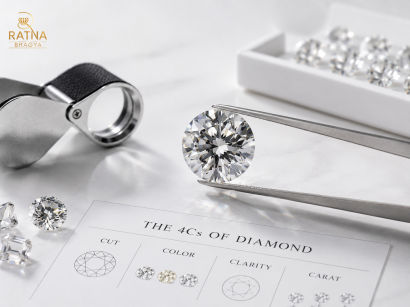
Regardless of which type you choose, consider the 4Cs:
Cut
Cut determines how effectively the diamond interacts with light and is one of the most important factors affecting brilliance.
Color
Diamond color is graded on a standardized scale, with higher grades generally appearing more colorless.
Clarity
Clarity evaluates internal and external characteristics known as inclusions and blemishes.
Carat
Carat refers to the diamond's weight, not its physical size alone.
A well-cut diamond can often appear more impressive than a poorly cut diamond of the same carat weight.
Natural vs Lab-Grown Diamonds: Pros and Cons
Natural Diamonds
Advantages:
- Natural geological origin
- Greater rarity
- Long-established market
- Strong traditional appeal
- Wide range of qualities and origins
Disadvantages:
- Higher price
- Mining-related environmental considerations
- Resale is not guaranteed
Lab-Grown Diamonds
Advantages:
- Generally more affordable
- Larger stones can fit the same budget
- Genuine diamond properties
- No conventional mining required
Disadvantages:
- Less geological rarity
- Resale market is generally less established
- Prices can decline as production scales
- Environmental impact depends on production and energy sources
Frequently Asked Questions (FAQs)
Are lab-grown diamonds real diamonds?
Yes. Lab-grown diamonds have essentially the same chemical composition and crystal structure as natural diamonds.
Which is more expensive: natural or lab-grown diamonds?
Natural diamonds are generally more expensive because of their geological rarity and established market value.
Can you tell a lab-grown diamond from a natural diamond by looking at it?
Usually not reliably with the naked eye. Specialized gemological equipment and grading reports can distinguish them.
Are lab-grown diamonds as hard as natural diamonds?
Yes. Both have a hardness of approximately 10 on the Mohs scale.
Which diamond has better resale value?
Natural diamonds generally have a more established resale market, but neither natural nor lab-grown diamonds should be considered guaranteed investments.
Is a lab-grown diamond better for the environment?
It depends. Lab-grown diamonds avoid conventional mining but require energy-intensive manufacturing. Their environmental impact varies according to production technology and energy sources.
Should I buy a natural or lab-grown diamond for an engagement ring?
Both can be excellent choices. Consider your budget, preference for natural rarity, desired size and quality, environmental priorities, and long-term expectations before deciding.
Conclusion
The choice between natural and lab-grown diamonds ultimately comes down to what matters most to you.
Natural diamonds offer geological rarity, a long history, and traditional appeal. Lab-grown diamonds offer the physical characteristics of genuine diamond while generally providing a more affordable way to purchase a larger or higher-specification stone.
Neither option is universally "better." The best diamond is the one that fits your budget, values, lifestyle, and personal meaning.
Before purchasing, compare the diamond's cut, color, clarity, carat, certification, origin, and price rather than focusing solely on whether it is natural or lab-grown. With the right information, you can choose a diamond that you'll be happy to wear and cherish for years to come.
Share this post:

You Might Also Be Interested In
Discover more insightful articles related to this topic to deepen your gemstone knowledge.
16 July
Ruby Gemstone Symbolism and Astrological Effects
Ruby, the ruler of all jewels, has gained its position due to its fiery red...
19 April
Green Gemstone – Give Yourself the Green Light
It's a shade associated with new beginnings and nature. It represents life and riches. Words...
14 January
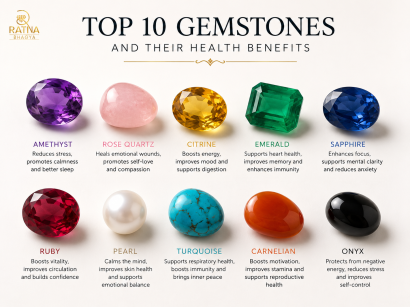
Top 10 gemstones and their health benefits
People have used gemstones for centuries now to enhance their health and extend their life...
21 March
Ruby vs Pink Sapphire: What are the differences?
The mineral Corundum, which is a crystalline variant of aluminium oxide, is found in both...
22 April
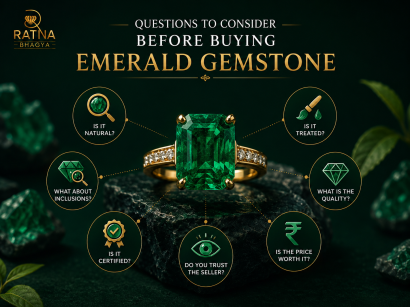
Questions To Consider Before Buying Emerald Gemstone
Emerald Gemstones are precious green Beryl variant of a gemstone, also known as Panna in...
30 June
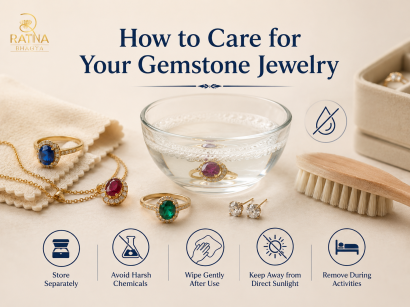
How to Care for Your Gemstone Jewelry: A Complete Maintenance Guide
Gemstone jewelry is more than just a fashion accessory—it's often a valuable investment, a cherished...