845, Ground Floor, Udyog Vihar Phase V, Sector 19, Gurugram, Haryana 122016
GET DIRECTION
The Science and Beliefs Behind Astrological Gemstones
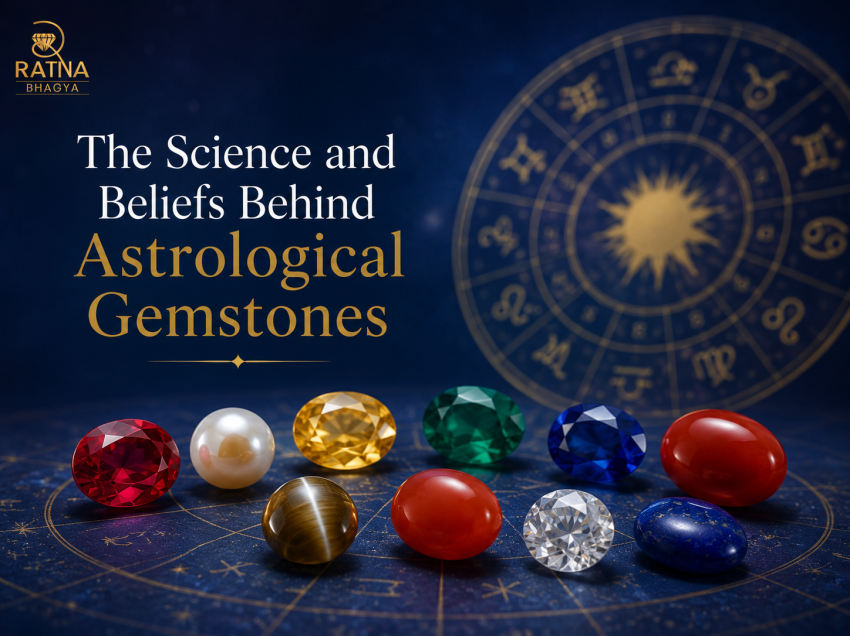
Astrological gemstones have fascinated people for centuries. From Ruby and Blue Sapphire to Yellow Sapphire, Emerald, Pearl, Red Coral, Hessonite, and Cat's Eye, these stones are traditionally believed to be connected with planets and cosmic influences.
In Vedic astrology, gemstones are often recommended as a way to strengthen the influence of a particular planet in a person's birth chart. At the same time, modern science approaches gemstones very differently, focusing on their mineral composition, crystal structure, optical properties, formation, and physical characteristics.
So, what is the science behind gemstones, and what belongs to traditional belief? Understanding the difference can help buyers appreciate astrological gemstones while making informed decisions.
Disclaimer: Astrological gemstone benefits described in this article are based on traditional Vedic astrology and cultural beliefs. There is currently no established scientific evidence that wearing a gemstone can alter planetary influences or directly cause changes in health, wealth, relationships, or destiny.
What Are Astrological Gemstones?
Astrological gemstones are natural or sometimes treated gemstones traditionally associated with specific planets in astrology.
In Vedic astrology (Jyotish), certain gemstones are considered particularly important because they are believed to represent the energy of specific planets.
Common examples include:
| Planet | Traditional Gemstone |
|---|---|
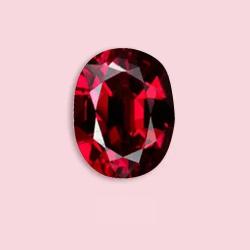
| Sun (Surya) | Ruby |
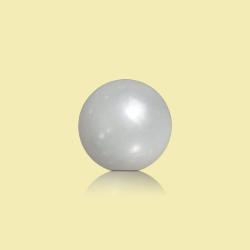
| Moon (Chandra) | Pearl |
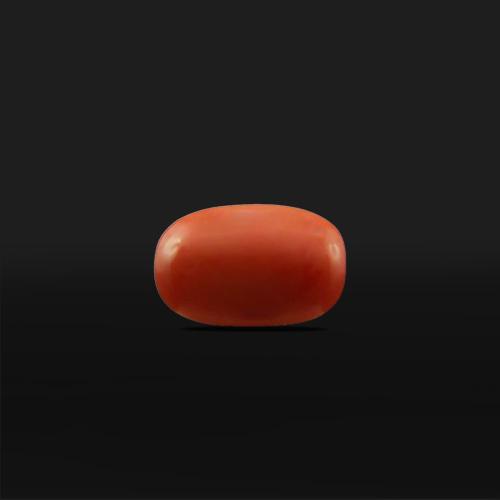
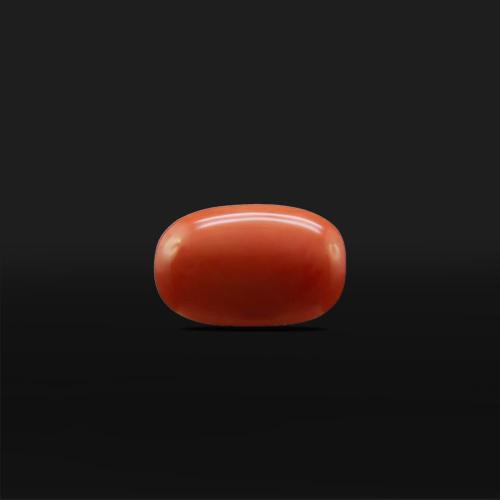
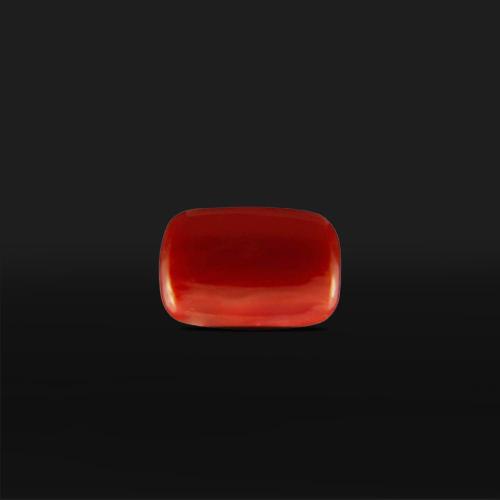
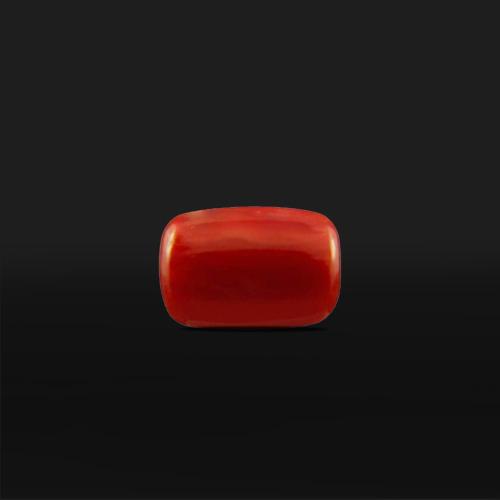
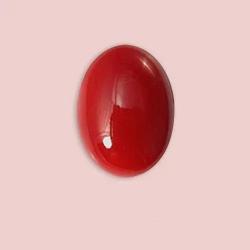
| Mars (Mangal) | Red Coral |
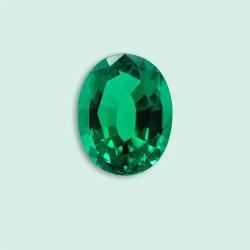
| Mercury (Budh) | Emerald |
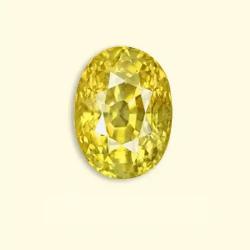
| Jupiter (Guru) | Yellow Sapphire |
| Venus (Shukra) | Diamond |
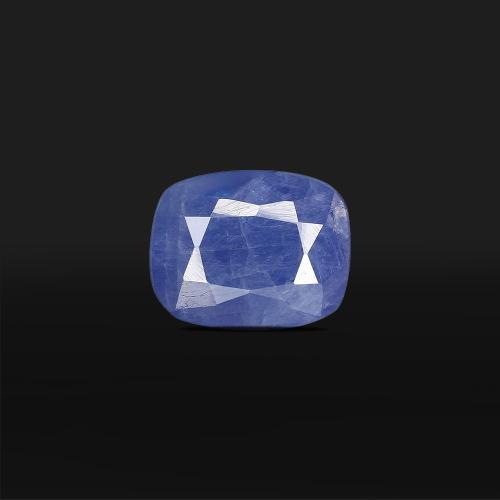
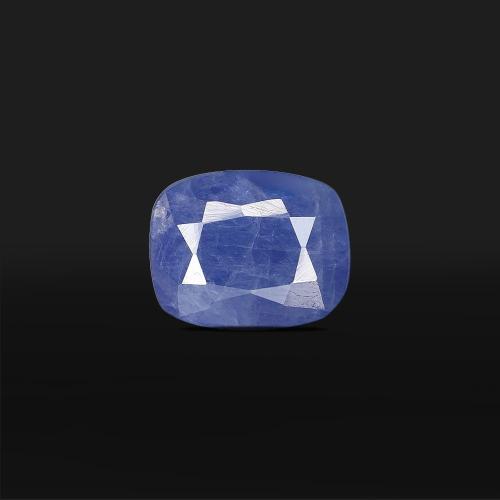
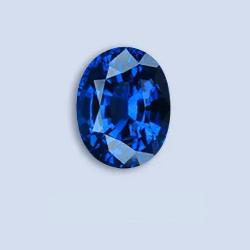
| Saturn (Shani) | Blue Sapphire |
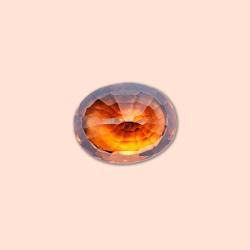
| Rahu | Hessonite Garnet |
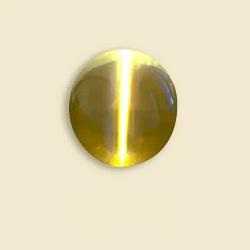
| Ketu | Cat's Eye |
These associations form the foundation of gemstone-based practices in Vedic astrology.
How Does Astrology Connect Gemstones With Planets?
According to traditional Vedic astrology, planets influence different aspects of life through their positions in a person's birth chart.
For example:
- Sun is associated with confidence, authority, and vitality.
- Moon is associated with emotions, intuition, and the mind.
- Mars represents courage, energy, and action.
- Mercury represents communication, learning, and intellect.
- Jupiter represents wisdom, knowledge, and prosperity.
- Venus represents beauty, relationships, and luxury.
- Saturn represents discipline, responsibility, and perseverance.
- Rahu and Ketu are associated with transformation, detachment, and unconventional experiences.
Traditional astrologers believe that gemstones connected with these planetary influences can be used to strengthen a favorable planet.
The Science of Gemstones
While astrology focuses on symbolism and planetary associations, gemology examines gemstones scientifically.
Gemologists study characteristics such as:
Chemical Composition
Every gemstone has a particular chemical composition.
For example:
- Ruby and Sapphire are varieties of corundum.
- Emerald belongs to the beryl family.
- Diamond consists primarily of carbon.
- Pearl is an organic gemstone.
- Red Coral is also organic in origin.
Crystal Structure
The arrangement of atoms within a gemstone determines many of its physical and optical properties.
For example, diamond's crystal structure contributes to its exceptional hardness.
Hardness
Gemstones are often evaluated using the Mohs scale of mineral hardness.
Examples include:
- Diamond — 10
- Ruby — 9
- Sapphire — 9
- Emerald — approximately 7.5–8
- Quartz — 7
Hardness is important when selecting gemstones for everyday jewelry.
Color
Gemstone color can result from:
- Trace elements
- Crystal defects
- Light absorption
- Structural characteristics
For example, chromium contributes to the red color of Ruby and can also contribute to the green color of some Emeralds.
Optical Properties
Gemstones can display fascinating optical effects, including:
- Chatoyancy
- Color change
- Asterism
- Pleochroism
- Dispersion
For example, the distinctive "cat's eye" effect in Chrysoberyl results from chatoyancy caused by aligned internal features.
These effects can be studied and explained through established principles of physics and mineralogy.
What Does Science Say About Astrological Benefits?
This is where science and astrology differ significantly.
Modern scientific research has not established a reliable mechanism by which wearing a particular gemstone can strengthen a planet or change the events described in a horoscope.
For example, there is no established scientific evidence that:
- Blue Sapphire can strengthen Saturn.
- Yellow Sapphire can increase wealth.
- Ruby can increase leadership ability.
- Emerald can improve communication.
- Pearl can create emotional calmness.
These claims belong to traditional astrological systems rather than established scientific gemology.
Why Do People Still Believe in Astrological Gemstones?
The popularity of astrological gemstones has continued for several reasons.
Cultural Tradition
Gemstones have been connected with astrology, religion, royalty, and spirituality for centuries.
These traditions have been passed from one generation to another.
Personal Experience
Some people report feeling more confident, peaceful, motivated, or positive after wearing a gemstone.
Such experiences can feel very real to the individual, although personal experiences alone cannot establish a scientific causal relationship.
Symbolism
A gemstone can serve as a personal reminder of a goal or quality.
For example:
- Ruby may symbolize confidence.
- Blue Sapphire may symbolize discipline.
- Yellow Sapphire may symbolize wisdom.
- Emerald may symbolize communication.
- Pearl may symbolize peace.
The psychological value of such symbolism can be meaningful even without assuming a supernatural effect.
The Role of Belief and the Placebo Effect
Belief can influence how people perceive their experiences.
If someone strongly believes that a particular gemstone will help them become more confident, they may consciously or unconsciously behave with greater confidence after wearing it.
This can be discussed in the context of the placebo effect and expectation effects.
However, this does not establish that the gemstone itself has a planetary or supernatural influence.
The distinction is important:
A person's experience can be meaningful without proving the traditional explanation for that experience.
Why Are Some Astrological Gemstones Considered Powerful?
Certain gemstones have developed reputations as particularly powerful within Vedic astrology.
For example, Blue Sapphire (Neelam) is traditionally associated with Saturn and is sometimes described as a fast-acting gemstone.
Similarly:
- Ruby is associated with the Sun.
- Yellow Sapphire is associated with Jupiter.
- Emerald is associated with Mercury.
- Red Coral is associated with Mars.
Traditional astrologers may recommend these gemstones depending on the position and strength of the corresponding planet in the birth chart.
The concept of "power" here refers to astrological tradition, not a scientifically measured physical force.
Why Do Astrologers Analyze the Birth Chart First?
Traditional Vedic astrology does not generally recommend that everyone wear every planetary gemstone.
Instead, astrologers may examine:
- Ascendant
- Planetary positions
- Houses
- Aspects
- Planetary strengths
- Mahadasha and Antardasha
- Relationships between planets
Based on this analysis, an astrologer may recommend strengthening a particular planetary influence.
This personalized approach is one reason astrological gemstone recommendations can differ from person to person.
Natural vs Synthetic Gemstones in Astrology
This is an important consideration for gemstone buyers.
Natural Gemstones
Natural gemstones form through geological or biological processes without being manufactured by humans.
Examples include:
- Natural Ruby
- Natural Sapphire
- Natural Emerald
- Natural Yellow Sapphire
Synthetic Gemstones
Synthetic gemstones are laboratory-created materials that may have essentially the same chemical composition and crystal structure as their natural counterparts.
They are different from imitation gemstones.
Imitation Gemstones
Imitations are materials that resemble another gemstone but do not have the same chemical or physical identity.
For example, colored glass can imitate several gemstones.
If purchasing an astrological gemstone, ask the seller specifically whether the stone is:
- Natural
- Synthetic
- Imitation
- Treated
Why Certification Is Important
A gemstone certificate can help establish important facts about the stone.
Depending on the laboratory and report, it may identify:
- Gemstone species
- Natural or synthetic origin
- Treatments
- Carat weight
- Measurements
- Other identifying characteristics
For expensive astrological gemstones, certification can provide greater transparency and help buyers understand exactly what they are purchasing.
Common Astrological Gemstones and Their Traditional Meanings
Ruby – Sun
Traditionally associated with:
- Confidence
- Leadership
- Authority
- Vitality
Pearl – Moon
Traditionally associated with:
- Peace
- Emotional balance
- Intuition
- Calmness
Red Coral – Mars
Traditionally associated with:
- Courage
- Energy
- Determination
- Action
Emerald – Mercury
Traditionally associated with:
- Communication
- Intelligence
- Learning
- Business skills
Yellow Sapphire – Jupiter
Traditionally associated with:
- Wisdom
- Prosperity
- Knowledge
- Good fortune
Diamond – Venus
Traditionally associated with:
- Beauty
- Luxury
- Relationships
- Creativity
Blue Sapphire – Saturn
Traditionally associated with:
- Discipline
- Responsibility
- Patience
- Long-term stability
Hessonite – Rahu
Traditionally associated with:
- Transformation
- Ambition
- Unconventional thinking
Cat's Eye – Ketu
Traditionally associated with:
- Spiritual awareness
- Detachment
- Intuition
- Transformation
Are Astrological Gemstones Safe to Wear?
From a jewelry perspective, most commonly used gemstones can be worn safely when properly set and cared for.
However, there are practical considerations.
Some gemstones are relatively soft or fragile and may require extra care. Others may have treatments that affect their cleaning requirements.
For example:
- Emeralds may contain fractures and often require gentle cleaning.
- Pearls are relatively soft and should be protected from chemicals.
- Turquoise is porous and requires careful handling.
- Sapphire and Ruby are highly durable but can still chip under strong impact.
If you're buying a valuable gemstone, ask the jeweler about its treatment and recommended care.
How to Buy an Astrological Gemstone Responsibly
If you want to purchase a gemstone for astrological reasons, consider the following steps:
1. Understand the Traditional Recommendation
If you follow Vedic astrology, consult a qualified astrologer to determine which gemstone is traditionally considered suitable.
2. Choose the Gemstone Carefully
Consider:
- Natural or synthetic origin
- Color
- Clarity
- Cut
- Carat weight
- Treatment
3. Ask for Certification
For valuable gemstones, request a reputable laboratory report.
4. Understand the Seller's Claims
Be cautious of claims promising guaranteed:
- Wealth
- Marriage
- Career success
- Health cures
- Instant results
No gemstone should be presented as a guaranteed solution to complex life circumstances.
5. Consider the Gemstone's Jewelry Quality
A beautiful gemstone also needs a secure setting and appropriate care to remain wearable for years.
Science vs Traditional Belief: A Simple Comparison
| Aspect | Scientific Perspective | Traditional Astrological Perspective |
|---|---|---|
| Gemstone formation | Explained through geology/mineralogy | Often connected with cosmic symbolism |
| Color | Explained through chemistry and optics | Sometimes associated with planetary energies |
| Hardness | Measured scientifically | Not central to planetary influence |
| Planetary connection | No established physical mechanism | Central to gemstone astrology |
| Personal benefits | No established direct causal effect | Traditionally believed to depend on birth chart |
| Certification | Verifies gemological characteristics | Helps verify the gemstone being used |
| Symbolism | Cultural and psychological | Spiritual and astrological |
Frequently Asked Questions (FAQs)
Do astrological gemstones really work?
Astrological gemstone benefits are based on traditional beliefs. Modern science has not established that gemstones can directly influence planetary forces or life events.
What is the scientific study of gemstones called?
The scientific study and identification of gemstones is known as gemology, which draws on mineralogy, chemistry, physics, and related sciences.
Are natural gemstones better than synthetic gemstones?
Natural gemstones are generally rarer and may have greater market value. Synthetic gemstones can have very similar physical and chemical properties. Whether one is "better" depends on your purpose, budget, and preference.
Why do astrologers recommend different gemstones to different people?
In Vedic astrology, recommendations are traditionally based on an individual's birth chart and the perceived strength or role of particular planets.
Can gemstones improve health?
There is no established scientific evidence that gemstones can diagnose, treat, or cure medical conditions. They should not replace professional medical care.
Is it important to buy certified astrological gemstones?
Yes, particularly for expensive stones. Certification can help verify the gemstone's identity, origin category, and treatment status.
Conclusion
Astrological gemstones sit at an interesting intersection of science, tradition, culture, symbolism, and personal belief.
Science can explain how gemstones form, why they have particular colors, how their crystal structures work, and why they display remarkable optical effects. Vedic astrology, meanwhile, gives gemstones a symbolic role by connecting them with planets and qualities such as courage, wisdom, discipline, prosperity, and emotional balance.
These are two different ways of understanding gemstones. Appreciating their cultural or astrological significance does not require confusing traditional beliefs with scientifically established facts.
If you choose to wear an astrological gemstone, approach the purchase thoughtfully. Understand the traditional reasoning, verify the gemstone's authenticity, request certification for valuable stones, and be cautious of guaranteed-result claims.
Ultimately, an astrological gemstone can be appreciated not only for what tradition says it represents, but also for its natural beauty, fascinating formation, rarity, craftsmanship, and cultural history.
Share this post:
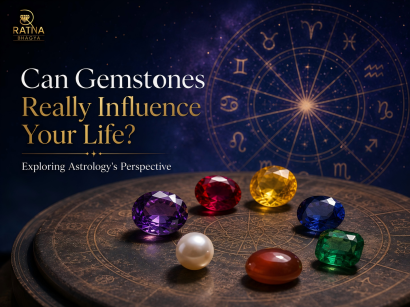
You Might Also Be Interested In
Discover more insightful articles related to this topic to deepen your gemstone knowledge.
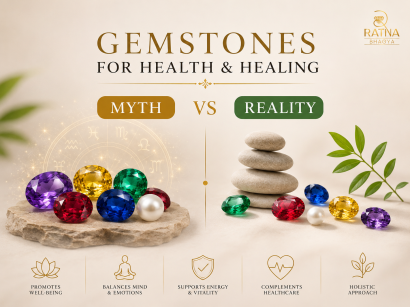
12 June
Gemstones for Health & Healing: Myth vs Reality
For centuries, gemstones have been admired not only for their beauty but also for their...
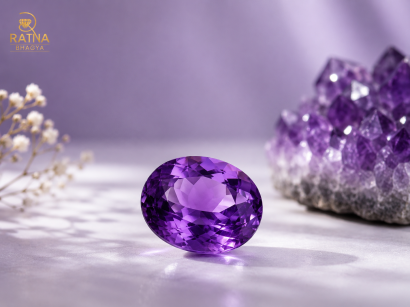
19 August
Amethyst Stone Benefits: Meaning and Healing Properties
Amethyst Stone is one of the most popular varieties of quartz, admired for its beautiful...
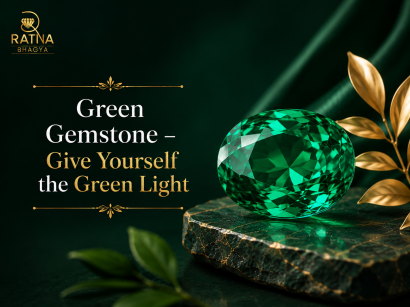
19 April
Green Gemstone – Give Yourself the Green Light
It's a shade associated with new beginnings and nature. It represents life and riches. Words...
16 July
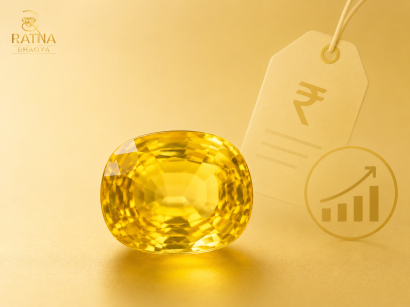
Yellow Sapphire Price Guide for First-Time Buyers
Yellow Sapphire, popularly known as Pukhraj or Pushkaraj, is one of the most sought-after gemstones...
12 May
In how many Years I should Update Red Coral
In astrology, red coral gemstone are associated with Mars. The `navaratna` ring, with all nine...
17 June
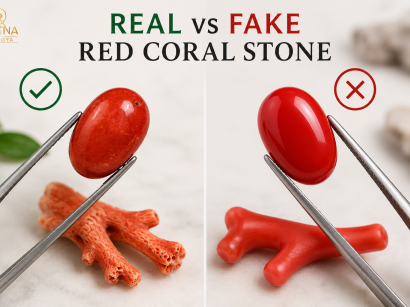
How to Check If a Red Coral Stone Is Real or Fake
Red Coral (Moonga) is one of the most popular gemstones in Vedic astrology, valued for...