845, Ground Floor, Udyog Vihar Phase V, Sector 19, Gurugram, Haryana 122016
GET DIRECTION
Ruby Stone Benefits: Why Manik Is Called the King of Gemstones
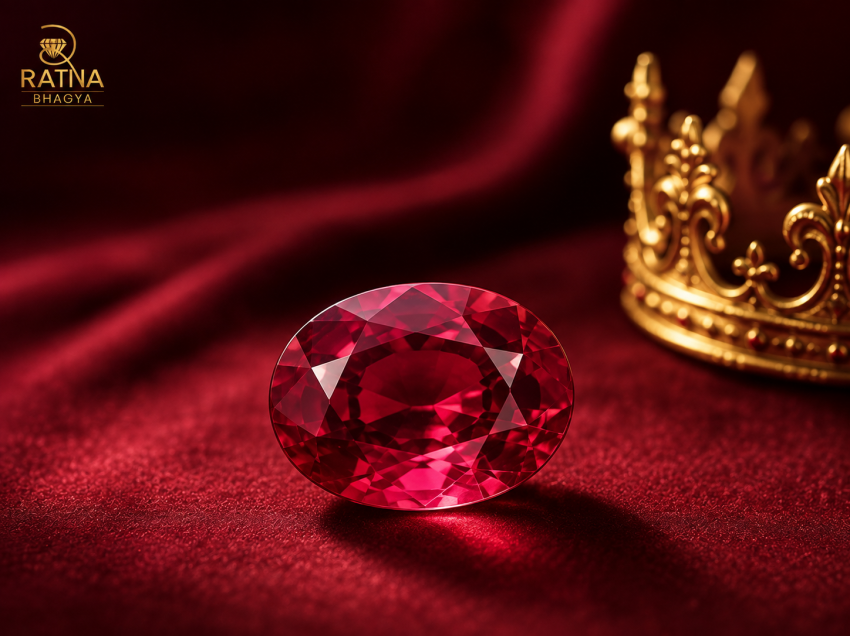
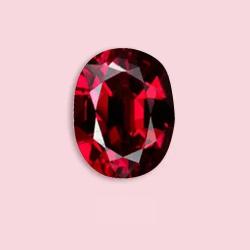
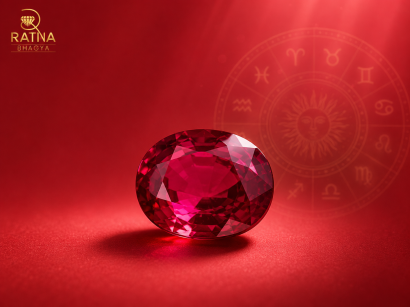
Ruby Stone, traditionally known as Manik or Manikya, is one of the most admired gemstones in the world. Its intense red color, rarity, durability, and royal history have earned it a reputation as a gemstone of power and prestige.
In Vedic astrology, Ruby is associated with the Sun (Surya) and is traditionally believed to represent confidence, leadership, vitality, authority, and ambition. Because of this powerful planetary association, Ruby is often called the "King of Gemstones."
But why does Ruby hold such an important place in gemstone traditions? What are its benefits, who should wear it, and how can you identify a quality natural Ruby?
This complete guide explores the meaning, benefits, astrological significance, quality factors, and care of Ruby Stone.
Disclaimer: The astrological and spiritual benefits discussed in this article are based on traditional Vedic astrology and cultural beliefs. There is no scientific evidence that wearing Ruby can directly influence planetary forces, health, wealth, relationships, or life events.
What Is Ruby Stone?
Ruby is a precious variety of the mineral corundum. The red color is primarily caused by the presence of chromium.
Ruby belongs to the same mineral family as Sapphire. In fact, all gem-quality corundum that is not red is generally classified as Sapphire, while red corundum is called Ruby.
Ruby is known for its:
- Rich red color
- Excellent durability
- High brilliance
- Rarity
- Historical significance
With a Mohs hardness of 9, Ruby is one of the hardest natural gemstones, making it highly suitable for jewelry.
Why Is Ruby Called the "King of Gemstones"?
Ruby's royal reputation comes from a combination of rarity, color, symbolism, and history.
The intense red color has traditionally been associated with:
- Power
- Passion
- Courage
- Leadership
- Vitality
- Royalty
In many cultures, red gemstones have been regarded as symbols of authority and strength.
In Vedic astrology, Ruby's association with the Sun, considered the king among the planets in traditional astrology, further contributes to Ruby's title as the King of Gemstones.
Ruby Stone Meaning
Ruby traditionally symbolizes:
- Passion
- Courage
- Confidence
- Leadership
- Vitality
- Ambition
- Success
- Authority
Its vibrant red color is often interpreted as a representation of energy and determination.
For many people, Ruby is not only a gemstone but also a symbol of inner strength and personal confidence.
Ruby in Vedic Astrology
In Vedic astrology, Ruby is associated with Surya (the Sun).
The Sun is traditionally connected with:
- Leadership
- Authority
- Confidence
- Recognition
- Self-expression
- Vitality
- Personal identity
Astrologers may recommend Ruby when the Sun is considered favorable in a person's birth chart.
Because astrological gemstone recommendations are traditionally personalized, an astrologer may examine the complete horoscope before suggesting Ruby.
Ruby Stone Benefits According to Tradition
1. Associated with Confidence
One of the most well-known traditional associations of Ruby is confidence.
Ruby is believed to symbolize:
- Self-belief
- Courage
- Determination
- Assertiveness
- Personal strength
People who choose Ruby for its symbolism may see it as a reminder to trust themselves and take decisive action.
2. Traditionally Linked with Leadership
Because Ruby is associated with the Sun, it has traditionally been connected with leadership and authority.
It is often considered symbolic of:
- Leadership qualities
- Responsibility
- Recognition
- Decision-making
- Influence
This is one reason Ruby has historically been popular among rulers and members of royal families.
3. Associated with Vitality and Energy
Ruby's vivid red color naturally evokes ideas of energy and life force.
In traditional gemstone beliefs, Ruby is associated with:
- Vitality
- Motivation
- Enthusiasm
- Strength
- Determination
These are symbolic and astrological associations rather than scientifically established effects.
4. Traditionally Connected with Success
Ruby has long been associated with ambition and achievement.
In traditional astrology, a favorable Sun is considered important for recognition and personal authority. Consequently, Ruby may be recommended as a symbol of:
- Career progress
- Recognition
- Achievement
- Ambition
- Professional confidence
Wearing Ruby should not, however, be considered a guarantee of career or financial success.
5. Symbol of Passion
Ruby's deep red color makes it a natural symbol of passion and strong emotions.
It is traditionally associated with:
- Love
- Desire
- Commitment
- Emotional intensity
- Creativity
This is why Ruby is particularly popular in romantic jewelry.
6. Associated with Courage
Ruby has historically represented bravery and strength.
It can symbolize the courage to:
- Take risks
- Face challenges
- Make difficult decisions
- Pursue goals
- Stand up for oneself
Ruby and Wealth: What Does Tradition Say?
Ruby is sometimes associated with financial success and status because of its connection with the Sun and historical association with royalty.
However, there is no scientific evidence that Ruby directly attracts money or wealth.
A more useful way to understand this traditional symbolism is to view Ruby as a representation of ambition, confidence, leadership, and determination—qualities that can contribute to personal and professional development when expressed through real-world actions.
Who Should Wear Ruby Stone?
According to traditional Vedic astrology, Ruby may be recommended for people whose birth charts indicate a favorable role for the Sun.
An astrologer may consider:
- Ascendant
- Sun's house
- Sun's zodiac sign
- Planetary aspects
- Planetary periods
- Overall horoscope
Ruby should therefore not be selected solely because someone has a particular zodiac sign.
If you want to wear Ruby specifically for astrological purposes, consulting a qualified astrologer is recommended.
Which Finger Should Ruby Be Worn On?
Traditional Vedic gemstone practices commonly recommend wearing Ruby:
- Finger: Ring finger
- Metal: Gold
- Day: Sunday
- Timing: Traditionally in the morning
- Hand: Often the working hand, depending on individual tradition
Astrological practices can vary, so specific instructions may differ according to the astrologer's recommendation.
How to Choose a Good Ruby Stone
Not every red gemstone sold as Ruby is of the same quality.
Several factors affect Ruby's value and beauty.
1. Color
Color is one of the most important factors in evaluating Ruby.
Desirable Ruby colors can range from:
- Pinkish red
- Purplish red
- Vivid red
- Deep red
Historically, highly saturated red stones with strong visual appeal have been particularly prized.
The famous phrase "pigeon blood red" is associated with exceptionally desirable Ruby color, although its use and definition can vary among laboratories and markets.
2. Clarity
Natural Ruby commonly contains inclusions.
In fact, certain inclusions can help gemologists determine whether a Ruby is natural.
However, excessive inclusions may reduce transparency and visual appeal.
A balance between natural character and attractive appearance is important.
3. Cut
Ruby is commonly cut in styles that maximize:
- Color
- Brilliance
- Weight retention
A well-cut Ruby should display attractive color and light reflection.
4. Carat Weight
Large, high-quality natural Rubies can be extremely rare.
As size increases, the price per carat can increase significantly when the stone also has excellent color and quality.
Natural Ruby vs Synthetic Ruby
This distinction is extremely important when buying Manik.
Natural Ruby
A natural Ruby forms through geological processes within the Earth.
Synthetic Ruby
A synthetic Ruby is created in a laboratory but has essentially the same chemical composition and crystal structure as natural Ruby.
Ruby Imitation
An imitation is a different material designed to resemble Ruby, such as colored glass or another gemstone.
These three categories should not be confused.
If you're buying Ruby for a significant amount, ask the seller specifically whether the stone is:
- Natural
- Synthetic
- Imitation
- Treated
Ruby Treatments
Many Rubies available in the market have undergone treatments to improve their appearance.
Common treatments include:
- Heat treatment
- Fracture filling
- Other clarity or color enhancements
Treatment does not necessarily make a Ruby "fake." However, it can have a significant effect on value and care requirements.
Always ask for treatment disclosure when purchasing a valuable Ruby.
Why Is Ruby Certification Important?
A reputable gemological certificate can help establish:
- Natural or synthetic origin
- Ruby identification
- Treatment status
- Carat weight
- Measurements
- Other relevant characteristics
Certification is particularly important for expensive Ruby because visual appearance alone cannot reliably establish natural origin or treatment history.
Ruby Origins
Historically important Ruby-producing regions include:
- Myanmar
- Mozambique
- Sri Lanka
- Vietnam
- Thailand
- Madagascar
Different locations can produce Rubies with distinctive colors and characteristics.
Myanmar Rubies, particularly those from the historic Mogok region, have a long-standing reputation for exceptional quality. Mozambique has also become an important source of fine Ruby.
However, origin alone does not determine quality. A Ruby should be evaluated based on its actual characteristics and reliable laboratory documentation.
How to Care for Ruby Jewelry
Ruby is highly durable, but proper care will help maintain its brilliance.
Cleaning
You can generally clean Ruby jewelry using:
- Lukewarm water
- Mild soap
- Soft brush
- Soft cloth
If the Ruby has been fracture-filled or otherwise treated, follow the care instructions provided by the jeweler or laboratory.
Avoid Strong Impacts
Although Ruby is hard, it can still chip or fracture under severe impact.
Remove Ruby jewelry during:
- Heavy physical work
- Sports
- Gardening
- Activities involving strong impact
Store Separately
Ruby is hard enough to scratch softer gemstones, so store it separately from pearls, Turquoise, and other softer materials.
Ruby vs Red Spinel: Are They the Same?
No.
Ruby and Red Spinel can look similar, but they are different minerals.
| Feature | Ruby | Red Spinel |
|---|---|---|
| Mineral | Corundum | Spinel |
| Typical Color | Red | Red to pinkish-red |
| Hardness | 9 | About 8 |
| Traditional Astrology | Sun | Not the traditional substitute for Ruby |
| Value | Can be very high | Generally different market category |
Because of the visual similarity, professional identification is useful for valuable stones.
Common Mistakes When Buying Ruby
Buying Only by Color
A bright red appearance does not automatically mean the stone is a valuable natural Ruby.
Ignoring Treatment
Always ask whether the Ruby has been heated or otherwise treated.
Assuming Every Red Stone Is Ruby
Red Spinel, Garnet, glass, and other materials can resemble Ruby.
Buying Without Certification
For high-value Rubies, certification is one of the best ways to establish confidence in the purchase.
Believing Guaranteed Astrological Results
No gemstone can scientifically guarantee wealth, health, marriage, career success, or other life outcomes.
Frequently Asked Questions (FAQs)
Why is Ruby called the King of Gemstones?
Ruby is traditionally called the King of Gemstones because of its rarity, intense red color, historical association with royalty and power, and its connection with the Sun in Vedic astrology.
Which planet is associated with Ruby?
In Vedic astrology, Ruby or Manik is associated with the Sun (Surya).
What are the benefits of wearing Ruby?
Traditionally, Ruby is associated with confidence, leadership, courage, vitality, recognition, ambition, and authority. These are astrological and cultural beliefs rather than scientifically proven effects.
Who should wear Ruby?
Traditional astrology recommends Ruby based on the individual's birth chart, particularly the position and condition of the Sun. It should not be selected solely based on zodiac sign.
Which finger is best for wearing Ruby?
Traditional Vedic practices commonly recommend the ring finger, often in a gold setting.
Is natural Ruby better than synthetic Ruby?
Natural Ruby is rarer and generally more valuable. Synthetic Ruby can have essentially the same chemical composition and crystal structure but does not have the same natural geological origin or rarity.
Is Ruby a durable gemstone?
Yes. With a Mohs hardness of 9, Ruby is highly durable and well suited to everyday jewelry, although it can still be damaged by strong impact.
Conclusion
Ruby Stone, or Manik, is a gemstone that combines exceptional beauty, durability, rarity, and centuries of cultural significance. Its vibrant red color and royal history have made it one of the world's most admired gemstones.
In Vedic astrology, Ruby is associated with the Sun and is traditionally believed to represent confidence, leadership, courage, vitality, authority, and ambition. These beliefs explain why Ruby is often referred to as the King of Gemstones.
From a gemological perspective, however, Ruby's value comes from measurable characteristics such as color, clarity, cut, carat weight, origin, treatment, and natural rarity.
If you're considering buying a Ruby for jewelry or astrological purposes, prioritize authenticity, quality, treatment disclosure, certification, and reputable sourcing. Traditional beliefs can add personal meaning to the gemstone, while proper gemological knowledge ensures that you know exactly what you're purchasing.
A beautiful Ruby is more than a striking red gemstone—it is a symbol of strength, passion, confidence, and timeless elegance.
Share this post:
You Might Also Be Interested In
Discover more insightful articles related to this topic to deepen your gemstone knowledge.
13 April
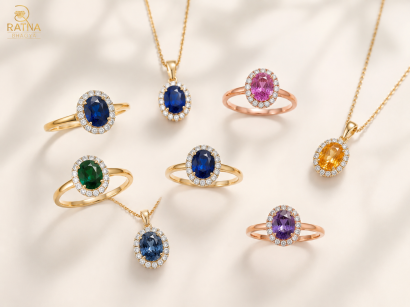
Different Colour Varieties of Sapphire Jewellery
Sapphires are regarded as one of the most valuable gemstones on the planet. Since their...
29 March
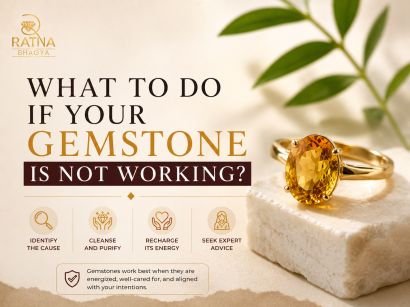
WHAT TO DO IF YOUR GEMSTONE IS NOT WORKING?
A gemstone interacts with a person's energy on a continuous basis, absorbing bad energy from...
17 August
Natural vs Lab-Grown Diamonds: Which Is Better?
Diamonds have long been associated with beauty, luxury, commitment, and timeless elegance. However, modern diamond...
21 May
THE RISE OF GEMSTONE ENGAGEMENT RINGS
Diamond engagement rings have been a timeless symbol of eternal love for millennia. As diamond...
6 July
Hessonite Gemstone Benefits in Astrology: Complete Guide
Hessonite, popularly known as Gomed or Gomedhikam, is one of the most significant gemstones in...
13 July
Can Gemstones Really Influence Your Life? Exploring Astrology's Perspective
For thousands of years, gemstones have been treasured not only for their beauty but also...