845, Ground Floor, Udyog Vihar Phase V, Sector 19, Gurugram, Haryana 122016
GET DIRECTION
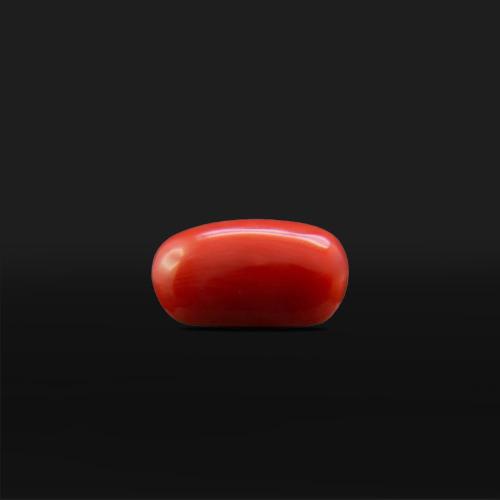
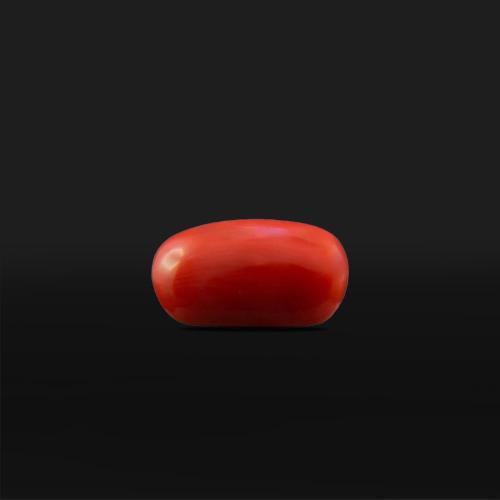
Red Coral Stone Ring Benefits: Who Should Wear It and Why?
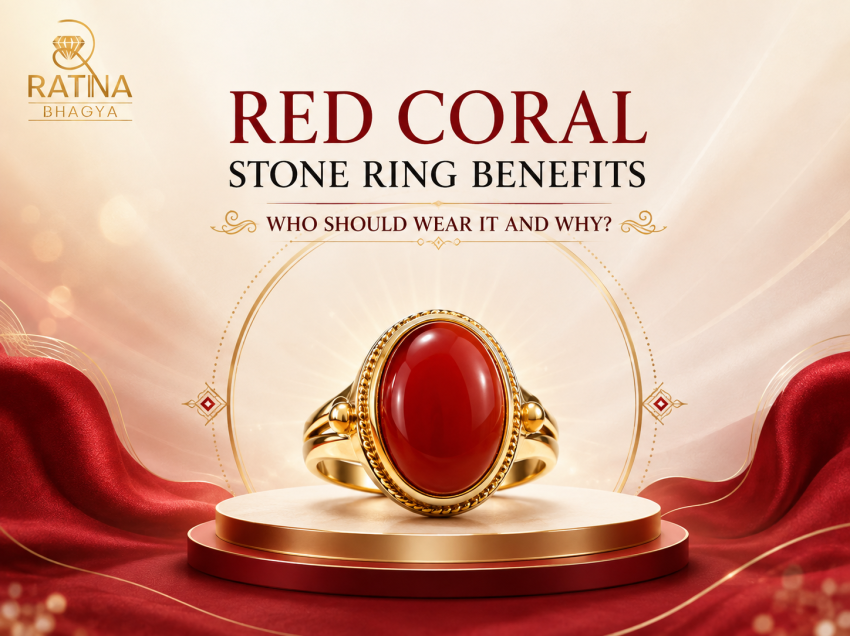
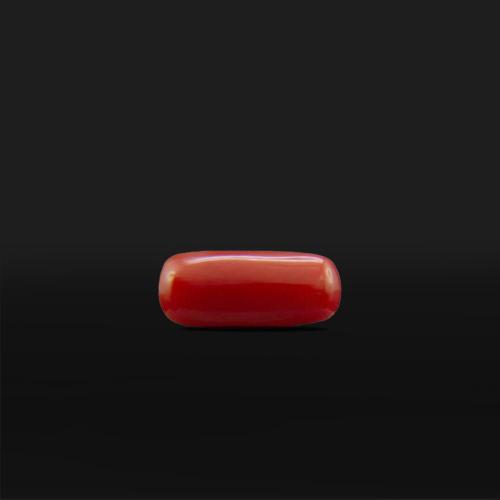
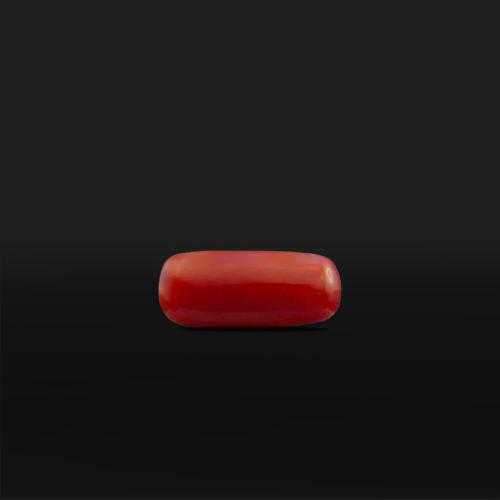
Red Coral, popularly known as Moonga in India, is a distinctive organic gemstone admired for its vibrant red color and traditional astrological significance. In Vedic astrology, Red Coral is associated with Mars (Mangal), which traditionally represents courage, confidence, energy, determination, and action.
A Red Coral stone ring is commonly worn by people who follow Vedic astrology and believe that strengthening a favorable Mars can support qualities such as confidence and determination. However, Red Coral is not considered suitable for everyone, so traditional astrology recommends checking the birth chart before wearing it.
In this guide, we'll explore the traditional benefits of a Red Coral ring, who should wear it, how to choose a genuine stone, and how to care for it.
Disclaimer: The astrological benefits discussed in this article are based on traditional Vedic beliefs. There is no scientific evidence that wearing Red Coral can directly influence health, wealth, relationships, or life events.
What Is Red Coral (Moonga)?
Red Coral is an organic gemstone formed from the calcareous skeletons of marine coral organisms. Unlike minerals such as Ruby or Sapphire, Coral has a biological origin.
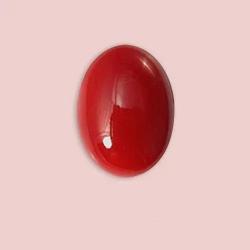
Natural Red Coral is generally found in shades ranging from:
- Bright red
- Deep red
- Reddish-orange
- Vermilion red
Important sources of coral include the Mediterranean region, Japan, and Taiwan.
High-quality natural Red Coral is valued for its attractive color, smooth texture, and good polish.
Red Coral and Mars in Vedic Astrology
In Vedic astrology, Mars (Mangal) is traditionally associated with:
- Courage
- Physical energy
- Confidence
- Leadership
- Determination
- Initiative
- Assertiveness
Red Coral is considered the gemstone of Mars. Astrologers may recommend it when Mars is considered favorable in an individual's birth chart.
Traditional Red Coral Stone Ring Benefits
1. Symbol of Courage and Confidence
One of the most well-known associations of Red Coral is courage.
Traditionally, wearing Moonga is believed to symbolize:
- Bravery
- Self-confidence
- Determination
- Willpower
It is often chosen by individuals who want to cultivate a stronger sense of initiative and confidence.
2. Traditionally Associated with Leadership
Mars represents action and leadership in Vedic astrology.
For this reason, Red Coral is traditionally associated with qualities such as:
- Decisiveness
- Leadership
- Responsibility
- Taking initiative
People in leadership-oriented professions may particularly appreciate its symbolism.
3. Represents Energy and Motivation
Red Coral's vibrant red color is often associated with vitality and enthusiasm.
According to traditional beliefs, it symbolizes:
- Motivation
- Ambition
- Persistence
- Active energy
These associations are cultural and astrological rather than scientifically established.
4. Traditionally Linked with Career and Professional Growth
Astrologers may recommend Red Coral to individuals working in fields traditionally associated with Mars, including:
- Engineering
- Defense
- Police services
- Sports
- Real estate
- Entrepreneurship
- Mechanical professions
Whether it is appropriate depends on the individual's complete horoscope.
5. Symbolizes Determination During Challenges
Mars is traditionally viewed as a planet of action and perseverance.
Red Coral is therefore often worn as a symbolic reminder to:
- Stay focused on goals
- Face challenges confidently
- Take decisive action
- Remain persistent
6. Represents Protection and Strength
Red Coral has been used as a protective talisman in different cultures for centuries.
Traditional symbolism connects it with:
- Strength
- Protection
- Courage
- Stability
These meanings vary across cultures and should not be interpreted as scientifically proven effects.
Who Should Wear a Red Coral Ring?
According to traditional Vedic astrology, Red Coral may be recommended for people with a favorable Mars in their birth chart.
An astrologer may consider factors such as:
- Mars's house placement
- Mars's zodiac sign
- Planetary aspects
- Mars Mahadasha or Antardasha
- Overall planetary relationships
People Traditionally Considered Candidates
Red Coral may be suggested for individuals who:
- Have a favorable Mars placement
- Are experiencing a Mars-related planetary period
- Want to strengthen qualities traditionally associated with Mars
- Work in professions associated with Mars
However, simply belonging to a particular zodiac sign is not enough to determine whether someone should wear Red Coral.
Who Should Avoid Red Coral?
Traditional astrological guidance may recommend avoiding Red Coral when:
- Mars is considered unfavorable in the birth chart.
- Mars conflicts with important planetary influences.
- The gemstone is being selected without horoscope analysis.
Because Mars is considered a strong planetary influence, many astrologers recommend consulting a qualified professional before wearing Moonga specifically for astrology.
How to Wear a Red Coral Stone Ring
Traditional recommendations commonly include:
- Metal: Gold or Copper
- Finger: Ring finger of the working hand
- Day: Tuesday
- Gemstone: Natural and certified Red Coral
- Setting: The gemstone is traditionally set so that it can make contact with the skin.
Specific recommendations can vary according to the astrologer's interpretation of the birth chart.
How to Choose a Genuine Red Coral
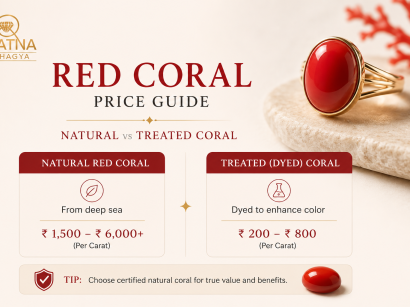
Choosing a natural Red Coral is particularly important because imitation and treated coral are available in the market.
1. Examine the Color
Good-quality Red Coral generally has a rich and natural color.
Look for:
- Even red color
- Deep reddish-orange tones
- Attractive saturation
Be cautious of unnaturally bright or painted-looking stones.
2. Check the Surface
Natural coral may have minor natural characteristics.
A good-quality stone should have:
- Smooth polish
- Consistent appearance
- No obvious cracks or major damage
3. Look for Certification
For valuable purchases, request a certificate from a recognized gemological laboratory.
The report can help establish:
- Natural or imitation origin
- Treatments
- Weight
- Gemstone identity
4. Purchase from a Reputable Seller
Choose a jeweler who clearly discloses:
- Gemstone origin
- Treatments
- Quality
- Certification
- Return or exchange policies
Natural Red Coral vs Imitation Coral
Natural Red Coral
- Formed by marine organisms
- Organic gemstone
- Limited natural supply
- Higher value when quality is good
Imitation Coral
May be made from:
- Plastic
- Glass
- Resin
- Dyed materials
Imitation stones can resemble genuine coral but do not have the same origin or value.
How to Care for a Red Coral Ring
Red Coral is relatively soft compared with gemstones such as Sapphire and Diamond, so careful handling is important.
Cleaning
Use:
- Lukewarm water
- Mild soap
- Soft microfiber cloth
Clean gently and dry thoroughly.
Avoid
- Harsh chemicals
- Perfumes
- Abrasive cleaners
- Ultrasonic cleaning
- Steam cleaning
- Strong impacts
Safe Storage
Store your Red Coral ring separately in a:
- Soft jewelry pouch
- Fabric-lined jewelry box
- Individual jewelry compartment
This helps prevent scratches from harder gemstones.
Common Mistakes to Avoid
When purchasing or wearing a Red Coral ring, avoid:
Buying Without Certification
An uncertified stone may not be natural.
Choosing Only by Color
Color alone doesn't establish authenticity or quality.
Expecting Guaranteed Results
Astrological gemstones should not be viewed as guaranteed solutions for financial, health, relationship, or career problems.
Ignoring Jewelry Quality
Even a genuine Red Coral can be damaged if it is poorly mounted or exposed to excessive impact.
Frequently Asked Questions (FAQs)
What are the benefits of wearing a Red Coral ring?
According to Vedic astrology, Red Coral is traditionally associated with courage, confidence, determination, energy, and leadership. These are traditional beliefs rather than scientifically proven effects.
Which planet is associated with Red Coral?
Red Coral (Moonga) is associated with Mars (Mangal).
Who should wear Red Coral?
Traditionally, people with a favorable Mars placement may be advised to wear Red Coral after analyzing their birth chart.
Which finger is Red Coral worn on?
Traditional guidelines commonly recommend the ring finger of the working hand.
Which metal is best for a Red Coral ring?
Gold and copper are commonly recommended in traditional astrological practices, although the choice may vary according to individual guidance.
Can everyone wear Red Coral?
No. According to traditional Vedic astrology, Red Coral is not considered suitable for everyone. A horoscope analysis is generally recommended before wearing it for astrological purposes.
Conclusion
A Red Coral stone ring combines distinctive natural beauty with centuries of cultural and astrological significance. In Vedic astrology, Moonga is associated with Mars and traditionally symbolizes courage, confidence, energy, determination, and leadership.
If you're considering Red Coral purely as jewelry, its vibrant color makes it an eye-catching addition to any collection. If you're choosing it for astrological reasons, traditional practice recommends consulting a qualified astrologer and selecting a natural, certified Red Coral that is appropriate for your birth chart.
With the right gemstone, a reliable seller, and proper care, a Red Coral ring can remain a beautiful and meaningful piece of jewelry for years to come.
Share this post:
You Might Also Be Interested In
Discover more insightful articles related to this topic to deepen your gemstone knowledge.
23 July
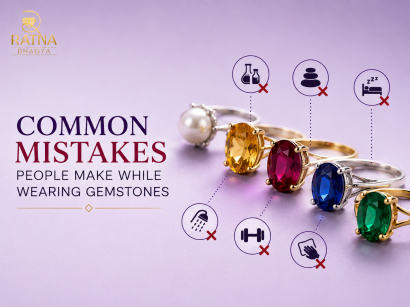
Common Mistakes People Make While Wearing Gemstones
Gemstones have been admired for centuries for their beauty, rarity, and cultural significance. Many people...
17 June
Why Blue Sapphire Is Considered the Fastest-Acting Gemstone
Among all gemstones used in Vedic astrology, Blue Sapphire (Neelam) holds a unique and powerful...

8 July
How Gemstones Are Formed: A Journey Beneath the Earth
Gemstones have fascinated humanity for thousands of years with their dazzling colors, exceptional durability, and...
21 March
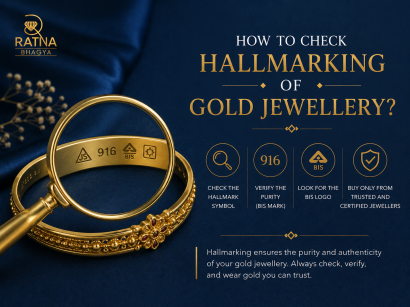
How to check Hallmarking of Gold Jewellery?
For millennia, people have purchased jewellery from jewellery stores. Gold jewellery may now be purchased...
1 April
FREQUENTLY ASKED QUESTIONS ABOUT YELLOW SAPPHIRE
What Is Yellow Sapphire? A yellow sapphire is a form of corundum mineral that is...
4 April
WHICH IS THE BEST PEARL: BLACK, GOLDEN OR WHITE
Pearl (Moti in Hindi) is a magnificent white gemstone regarded as the Queen of the...