845, Ground Floor, Udyog Vihar Phase V, Sector 19, Gurugram, Haryana 122016
GET DIRECTION
How to Check If a Red Coral Stone Is Real or Fake
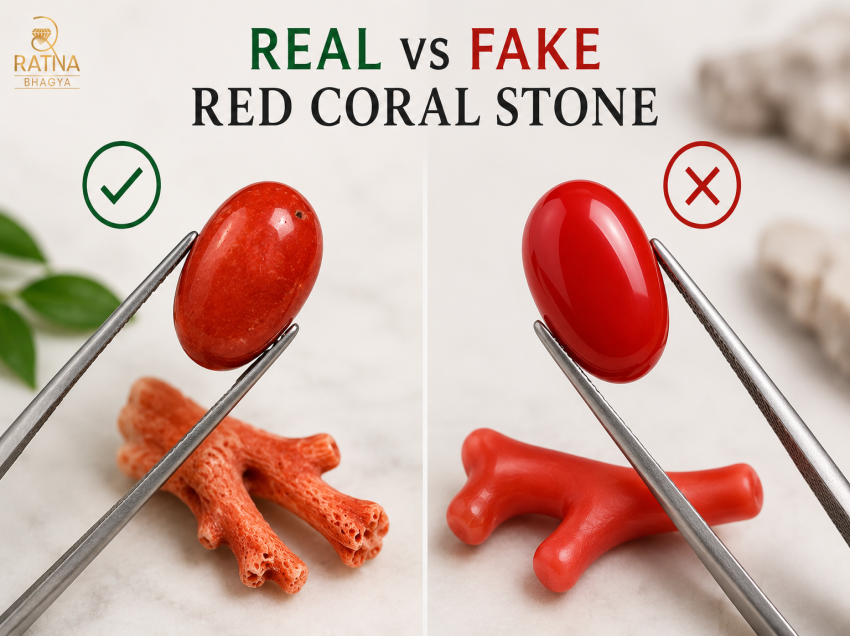
Red Coral (Moonga) is one of the most popular gemstones in Vedic astrology, valued for its vibrant red color and association with the planet Mars (Mangal). Due to its high demand, the market is filled with imitation, dyed, and synthetic corals that can be difficult for buyers to identify. Whether you're purchasing Red Coral for astrological purposes or jewelry, knowing how to distinguish a genuine stone from a fake one is essential.
This guide explains the most reliable methods to check whether a Red Coral stone is real or fake before making a purchase.
What Is Red Coral?
- Unlike most gemstones that are formed underground, Red Coral is an organic gemstone created by marine coral polyps in the deep sea. After harvesting and polishing, it is used in rings, pendants, bracelets, and astrological jewelry.
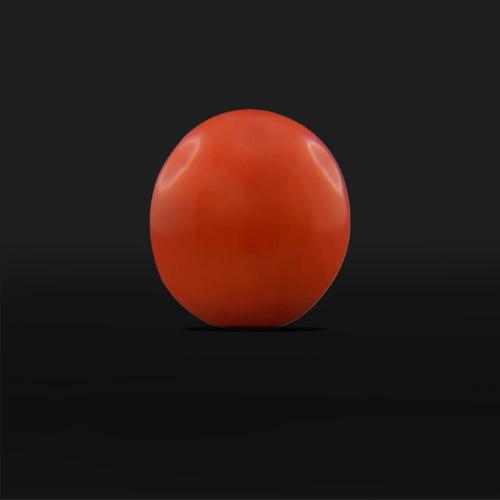
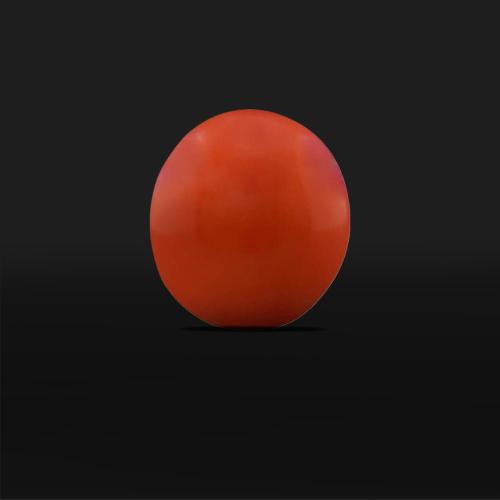
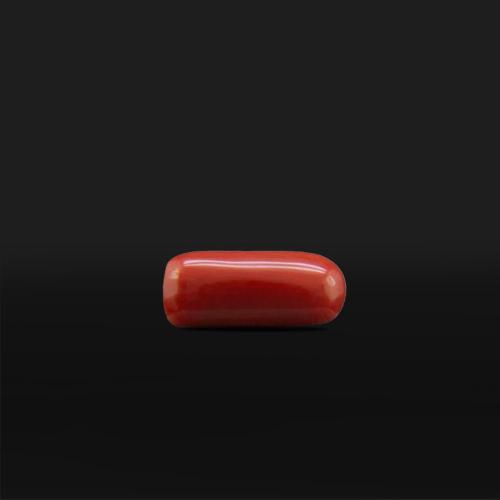
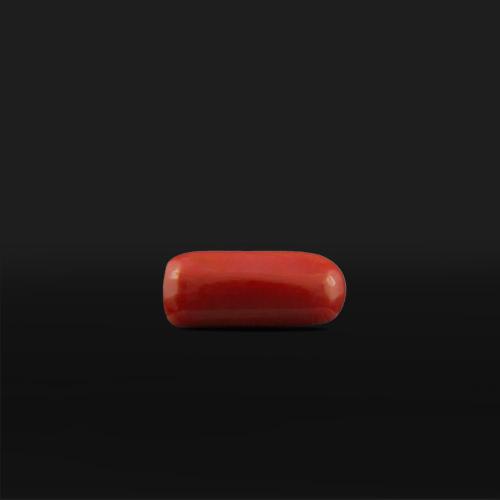
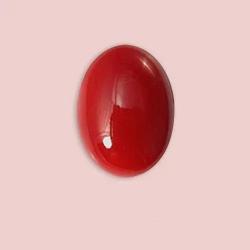
- Natural Red Coral typically displays:
- Rich red to deep reddish-orange color
- Smooth surface
- Opaque appearance
- Natural organic structure
- Because of its rarity, genuine Red Coral often commands a higher price than imitation stones.
Why Are Fake Red Coral Stones Common?
- The popularity of Red Coral has led to the widespread use of substitutes such as:
- Dyed bamboo coral
- Plastic imitations
- Glass replicas
- Resin-based stones
- Synthetic coral substitutes
- These materials are often sold as natural coral to unsuspecting buyers.
Signs of a Genuine Red Coral Stone
1. Examine the Color Carefully
Natural Red Coral generally has:
✔ Uniform red or reddish-orange color
✔ Natural appearance
✔ Soft, organic luster
Be cautious if the stone appears:
✘ Extremely bright neon red
✘ Artificially glossy
✘ Unnaturally perfect in color
Many fake corals are dyed to achieve an overly vibrant appearance.
2. Check the Surface Under Magnification
Using a jeweler's loupe or magnifying glass, inspect the surface closely.
A genuine Red Coral may show:
Tiny natural growth patterns
Organic texture
Minor natural imperfections
Fake stones made from plastic or glass often appear overly smooth and flawless.
3. Observe the Internal Structure
Natural coral is organic and may contain subtle internal patterns.
Imitation stones may display:
Air bubbles (common in glass)
Uniform artificial texture
Visible dye concentrations
Air bubbles are a strong indication that the material is not natural coral.
4. Perform the Touch Test
Natural Red Coral generally feels:
Cool when first touched, Smooth and dense
Plastic imitations often feel:
Warm, Lightweight, Less substantial
While not a definitive test, touch can provide useful clues.
5. Check the Weight
Genuine Red Coral usually feels heavier than plastic substitutes of the same size.
If a large coral bead feels unusually light, it may be synthetic or plastic-based.
6. Look for Natural Imperfections
Real gemstones and organic materials rarely appear perfectly flawless.
Natural Red Coral may contain:
Minor surface marks
Small growth lines
Slight color variations
A perfectly uniform stone should be examined more carefully.
Home Tests Often Mentioned Online
Many online sources suggest home tests for identifying coral. However, caution is advised.
Milk Test
Some people claim that placing coral in milk changes the milk's color.
Reality: This is not a scientifically reliable method and should not be used for authentication.
Scratch Test
Natural coral is relatively soft compared to many gemstones.
Scratching the stone can damage it permanently and is not recommended.
Heat Test
Applying heat may damage both genuine and fake coral.
This method should be avoided entirely.
The Most Reliable Method: Gemstone Certification
The safest and most accurate way to verify authenticity is through certification from a recognized gemological laboratory.
A gemstone certificate can provide information about:
Natural or synthetic origin
Treatments or enhancements
Weight and measurements
Quality characteristics
For astrological purposes, certification is especially important.
Common Types of Fake Red Coral
Dyed Bamboo Coral
- One of the most common substitutes.
- Characteristics:
- Dyed to mimic natural Red Coral
- Lower value
- Often sold as genuine coral
Plastic Coral
- Usually easy to identify due to:
- Light weight
- Artificial appearance
- Warm feel
Glass Imitations
- Glass replicas may show:
- Air bubbles
- Excessive shine
- Lack of natural texture
Resin Coral
Resin-based products often appear overly perfect and lack the organic characteristics of natural coral.
Tips for Buying Genuine Red Coral
Purchase from Reputable Sellers
Choose established gemstone dealers with transparent policies and customer reviews.
Ask for Certification
Always request a gemstone authenticity certificate.
Compare Prices
If a Red Coral stone is priced significantly below market value, proceed cautiously.
Verify Return Policies
A trustworthy seller should offer reasonable return or exchange options.
Understand the Origin
Natural Red Coral is commonly sourced from regions including:
Mediterranean Sea, Japan, Italy, Taiwan
Knowledge of origin can help assess authenticity and quality.
Red Flags When Buying Red Coral
Be cautious if:
The seller refuses certification.
The price seems unrealistically low.
The stone appears excessively bright or artificial.
No information is provided about origin or treatment.
The seller guarantees unrealistic astrological results.
Frequently Asked Questions (FAQs)
How can I tell if my Red Coral stone is real?
Examine the color, texture, weight, and internal structure, and obtain certification from a recognized gemological laboratory for confirmation.
Does real Red Coral have bubbles inside?
No. Visible air bubbles are usually a sign of glass imitation rather than natural coral.
Is dyed coral considered natural coral?
Dyed coral may originate from natural coral material, but it has been artificially enhanced and is generally less valuable than untreated natural Red Coral.
Can I test Red Coral at home?
Basic visual inspection can help, but professional gemological testing is the most reliable method.
Why is certification important?
Certification provides independent verification of authenticity, treatments, and quality characteristics.
Conclusion
Buying a genuine Red Coral stone requires careful observation and informed decision-making. While color, texture, weight, and natural imperfections can provide useful clues, the most reliable method of verification is certification from a trusted gemological laboratory.
Whether you're purchasing Red Coral for astrology, investment, or jewelry, taking the time to confirm authenticity can protect you from counterfeit products and ensure you receive a genuine gemstone of lasting value.
Share this post:
Relatest Post
You Might Also Be Interested In
Discover more insightful articles related to this topic to deepen your gemstone knowledge.
6 August
Garnet Stone Benefits: Symbolism and Modern Uses
The Garnet Stone is one of the oldest and most admired gemstones in history, celebrated...
22 April
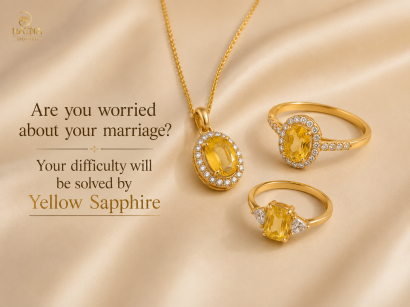
Are you worried about your marriage? Your difficulty will be solved by Yellow Sapphire
The yellow sapphire stone (Pukhraj) is one of the most powerful jewels. It is regarded...
14 August
Turquoise Stone Benefits: Meaning and Cultural Significance
Turquoise Stone is one of the world's oldest decorative gemstones, admired for its distinctive blue-to-green...
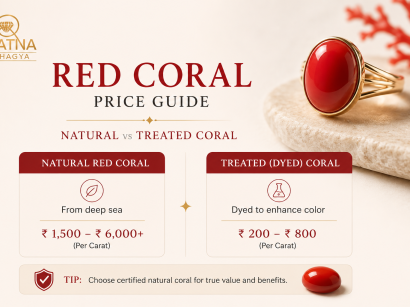
31 August
Red Coral Gemstone Price Guide: Natural vs Treated Coral
Red Coral, popularly known as Moonga Stone, is one of the most distinctive organic gemstones...
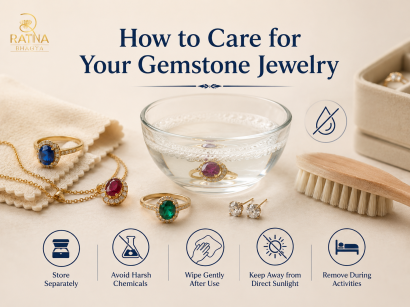
30 June
How to Care for Your Gemstone Jewelry: A Complete Maintenance Guide
Gemstone jewelry is more than just a fashion accessory—it's often a valuable investment, a cherished...
19 August
Amethyst Stone Benefits: Meaning and Healing Properties
Amethyst Stone is one of the most popular varieties of quartz, admired for its beautiful...