845, Ground Floor, Udyog Vihar Phase V, Sector 19, Gurugram, Haryana 122016
GET DIRECTION
How to Identify a Genuine Emerald Gemstone
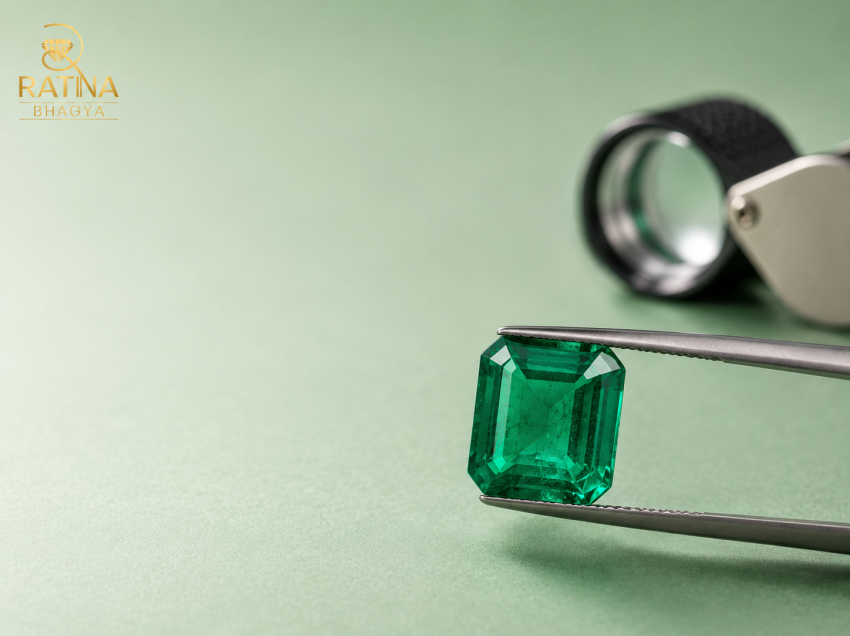
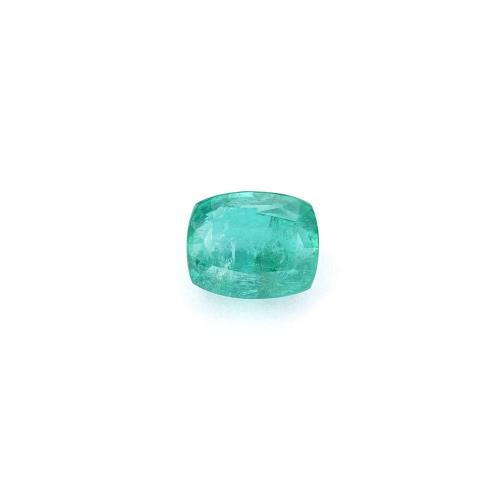
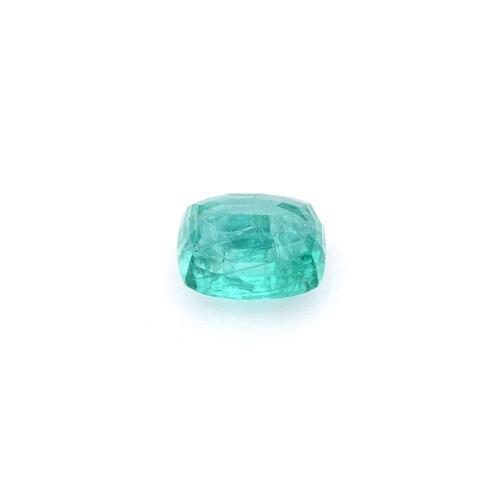
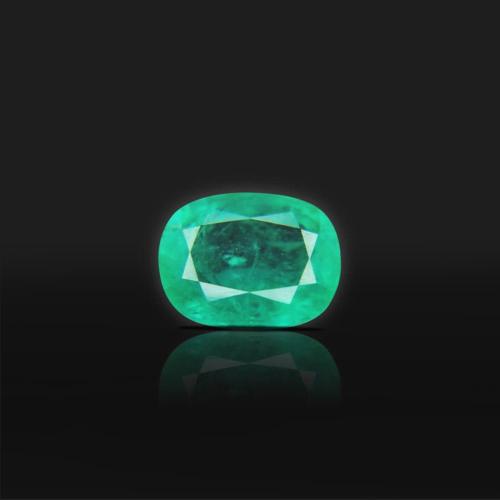
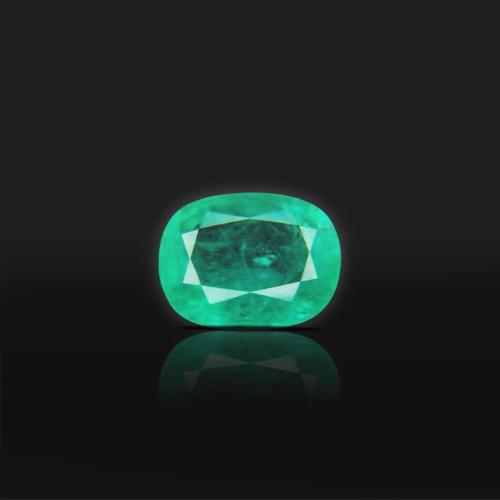
Emerald is one of the world's most treasured gemstones, admired for its rich green color, rarity, and timeless elegance. As a member of the beryl mineral family, Emerald has been prized for centuries by royalty, collectors, and jewelry enthusiasts alike. However, because of its popularity and high value, the market is also filled with synthetic, imitation, and heavily treated stones.
If you're planning to buy an Emerald, knowing how to identify a genuine gemstone can help you avoid costly mistakes. In this guide, we'll explain the key characteristics of a natural Emerald, common treatments, and practical tips for verifying authenticity before making a purchase.
Note: While these tips can help you recognize the characteristics of a genuine Emerald, only a professional gemological examination and certification can definitively confirm a gemstone's authenticity.
What Is an Emerald?
Emerald is the green variety of the mineral beryl, with its vibrant color primarily caused by trace amounts of chromium and sometimes vanadium.
Natural Emeralds are mined in several countries, including:
- Colombia
- Zambia
- Brazil
- Afghanistan
- Ethiopia
- Zimbabwe
Among these, Colombian Emeralds are especially renowned for their vivid green color and exceptional quality.
Why Is It Important to Identify a Genuine Emerald?
Emeralds are valuable gemstones, making them a common target for:
- Synthetic stones
- Glass imitations
- Dyed quartz
- Green cubic zirconia
- Composite gemstones
Identifying a genuine Emerald helps ensure that you receive the quality and value you are paying for.
Characteristics of a Genuine Emerald
1. Natural Green Color
Color is one of the most important features of an Emerald.
A genuine Emerald usually displays:
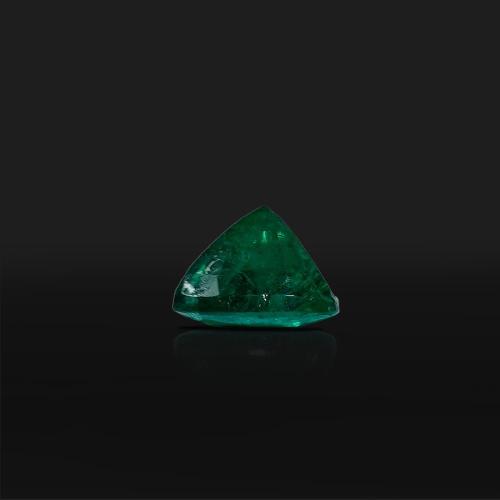
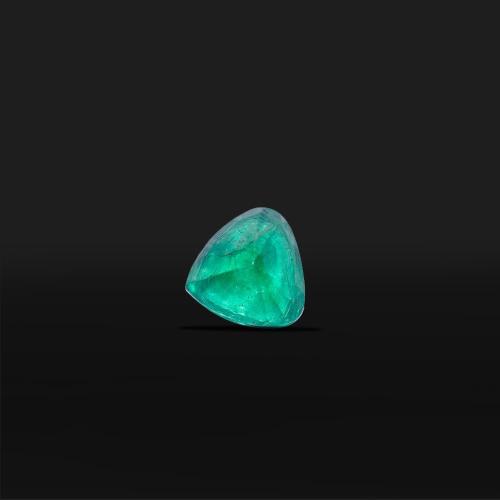
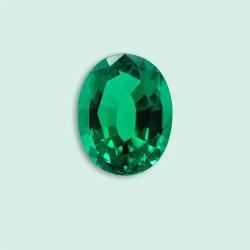
- Rich green
- Bluish-green
- Slightly yellowish-green
High-quality Emeralds have an even, vibrant color without appearing overly dark or excessively pale.
Be cautious of stones with unnaturally bright or perfectly uniform green colors, as they may be synthetic or dyed.
2. Natural Inclusions (The "Jardin" Effect)
Unlike diamonds, Emeralds almost always contain natural inclusions.
These inclusions are often called "Jardin," the French word for "garden," because they resemble tiny moss-like or plant-like patterns.
Common natural inclusions include:
- Tiny fractures
- Crystal inclusions
- Mineral deposits
- Fine growth lines
A completely flawless Emerald is extremely rare and usually commands a very high price.
3. Transparency
Most natural Emeralds are transparent to translucent.
Higher-quality stones generally have:
- Good transparency
- Attractive brilliance
- Visible depth of color
If an Emerald appears cloudy or overly opaque, its value may be lower.
4. Surface Luster
A genuine Emerald has a smooth, glass-like (vitreous) luster.
When polished properly, it reflects light evenly without appearing dull or waxy.
5. Hardness
Emerald has a hardness of 7.5–8 on the Mohs scale.
Although relatively hard, it is more fragile than Ruby or Sapphire because natural inclusions can make it prone to chipping.
For this reason:
- Avoid dropping Emerald jewelry.
- Protect it from strong impacts.
Common Emerald Treatments
Most natural Emeralds receive treatments to improve their appearance.
The most common treatment is:
Oil Treatment
Colorless oil is applied to fill tiny surface-reaching fractures, making the gemstone appear clearer.
Oil treatment:
- Is widely accepted in the gemstone industry.
- Should always be disclosed by the seller.
- May require periodic maintenance over time.
Some Emeralds are also treated with specialized resins instead of oil.
Natural vs Synthetic Emerald
Understanding the difference is essential.
Natural Emerald
- Formed naturally over millions of years.
- Contains natural inclusions.
- More valuable.
Synthetic Emerald
- Created in laboratories.
- Has the same chemical composition as natural Emerald.
- Usually cleaner and more affordable.
Synthetic Emeralds should always be disclosed during sale.
Imitation Emerald
Imitation stones simply resemble Emerald but are made from other materials, such as:
- Green glass
- Dyed quartz
- Cubic zirconia
- Plastic
These are much less valuable than natural Emeralds.
Practical Tips to Identify a Genuine Emerald
Examine the Color Carefully
Look for:
- Natural-looking green tones
- Even color distribution
- No overly bright artificial appearance
Check for Inclusions
Using a jeweler's loupe (10× magnification), look for:
- Natural internal patterns
- Tiny fractures
- Mineral inclusions
Completely flawless stones should be approached with caution unless supported by reputable certification.
Ask About Treatments
Always ask whether the Emerald has received:
- Oil treatment
- Resin filling
- Other clarity enhancements
Reputable jewelers will disclose this information.
Request a Gemstone Certificate
A certificate from a recognized gemological laboratory is one of the most reliable ways to verify authenticity.
A certificate typically confirms:
- Natural or synthetic origin
- Treatments
- Weight
- Measurements
- Gemstone identity
Buy from Reputable Jewelers
Purchase from sellers who:
- Provide certification
- Clearly disclose treatments
- Offer transparent pricing
- Have positive customer reviews
Signs of a Fake Emerald
Be cautious if you notice:
- Perfectly flawless appearance at a very low price
- Air bubbles inside the stone (common in glass)
- Extremely bright, artificial-looking green color
- No certification
- Unrealistically cheap pricing
If a deal seems too good to be true, it often is.
Caring for Your Emerald
Emeralds require gentle handling due to their natural inclusions.
Cleaning
- Use lukewarm water and mild soap.
- Wipe with a soft cloth.
- Clean gently with a soft brush if necessary.
Avoid
- Ultrasonic cleaners
- Steam cleaning
- Harsh chemicals
- Strong impacts
Storage
Store Emerald jewelry separately in a soft pouch or lined jewelry box to prevent scratches and accidental damage.
Frequently Asked Questions (FAQs)
Are all natural Emeralds included?
Yes. Most natural Emeralds contain inclusions. Completely flawless natural Emeralds are extremely rare.
Can a synthetic Emerald look real?
Yes. Synthetic Emeralds can closely resemble natural stones, which is why professional certification is important.
Is oil treatment normal?
Yes. Oil treatment is a common and accepted practice for natural Emeralds, provided it is disclosed to the buyer.
How can I verify an Emerald before buying?
The best way is to purchase a certified gemstone from a trusted jeweler and review its gemological report.
Why are Colombian Emeralds so popular?
Colombian Emeralds are highly regarded for their vivid green color, excellent transparency, and long-standing reputation for producing some of the world's finest Emeralds.
Conclusion
Emeralds are among the most captivating and valuable gemstones, but their popularity also makes them a common target for imitation and undisclosed treatments. By learning to recognize natural color, characteristic inclusions, transparency, and proper certification, you can make a more informed purchasing decision.
Whether you're buying an Emerald for fine jewelry, collecting, or as a meaningful gift, always prioritize quality, authenticity, and certification over price alone. Purchasing from a reputable jeweler and understanding common treatments will help ensure that your Emerald remains a treasured investment for years to come.
Share this post:
You Might Also Be Interested In
Discover more insightful articles related to this topic to deepen your gemstone knowledge.
21 August
Why Green Is the Most Popular Emerald Gemstone Color
When people hear the word Emerald, the first image that usually comes to mind is...
13 August
How to Identify a Genuine Cat's Eye Stone
Cat's Eye Stone, traditionally known as Lehsunia or Vaidurya in India, is one of the...

14 March
How to wear green Emerald stone: A comprehensive guide
Emerald is a green coloured valuable gemstone that has a variety of effects on people....
17 June
What stone is good luck for money?
The impact of stone on human life is well recorded in ancient Vedic (Hindu) and...
11 March
How to differentiate between Red Coral and White Coral
Corals have been around for 500 million years. Corals are biological jewels made in the...

13 June
Are gemstone good to wear for life problems?
Gemstones are extremely important in a person's life since genuine stone symbolize planets in the...